The CEO Playbook: Transformative Agentic AI for Enterprise ROI Use Cases Driving Success


Businesses ought to explore specific and strategic benefits of AI from short, medium, and long-term perspectives to fully understand how AI agents impact ROI. Agentic AI minimizes the risk of losing money and earning trust by automating fraud detection by alerting to fraudulent behaviors.
Facing Fragmented Workflows? Discover How Agentic AI Streamlines Processes & Drives Measurable Business Impact

“Today’s AI models perform tasks such as generating text, but these are “prompted” — the AI isn’t acting by itself. That is about to change with agentic AI, or AI with agency. By 2028, 33% of enterprise software applications will include agentic AI, up from less than 1% in 2024, enabling 15% of day-to-day work decisions to be made autonomously.”– Gartner
Why Agentic AI Matters: Transformative Business Impact Every CEO Should Understand
Agentic AI is the next development in artificial intelligence that builds systems that can plan, execute, and optimize tasks with minimal human help. Unlike typical AI systems that only respond to commands, agentic AI takes initiative, makes decisions, and adjusts its approach based on outcomes. Businesses evaluating this technology need to understand the ROI of agentic AI to justify investment and measure success.
Businesses using agentic AI technologies estimate productivity increases of 30–60% in automated workflows, with payback periods spanning 6–12 months. In addition to offering accurate ROI figures and useful code examples for implementation, this blog examines the concrete business value.
How Ready Is Your Organization for AI Agents Transforming Workflows?
Most businesses aren’t prepared yet. They have operated pilots, created prototypes, and launched copilots. However, only a few have felt the effects. The biggest challenges, according to almost 60% of AI leaders surveyed, are risk management and legacy systems. While many CEOs have approved tests, very few have witnessed an obvious rise in sales or operational effectiveness.
Here’s what true AI agents ROI framework readiness looks like:
- Your data is clean, unified, and easily accessible across platforms.
- Your workflows are modular and API-enabled, allowing agents to integrate seamlessly.
Most businesses still integrate AI into their existing systems. That restricts the actions of agents. Businesses require monitoring systems, escalation pathways, and orchestration layers to fully realize value. Agents cannot function successfully or safely without these. Agentic AI is more than a simple software update. It’s a change in systems. And that takes careful preparation.
Why Agentic AI for Enterprise ROI Stands Out: A Clear Business Value Proposition
The capacity of agentic AI to operate across systems concurrently is what makes it useful for businesses, including:
- End-to-End Workflow Completion: Executes complex processes across HRIS, ITSM, identity management, and other enterprise systems, without breaking the flow.
- Dynamic Decision-Making: Uses advanced reasoning engines to interpret context, adapt to changing scenarios, and choose optimal actions in real time.
- Autonomous Execution: Carries out tasks independently with built-in safeguards and clear escalation paths to ensure accuracy and accountability at every step.
These features make AI a significant asset in terms of effectiveness and strategic impact by enabling agentic AI to produce quantifiable commercial outcomes from the very beginning of deployment.
Why Agentic AI for Enterprise ROI Shift Matters for Leaders Now
Regulatory changes, cross-department workflows, and markets that move quickly are all making things more difficult for businesses. Small steps toward technology are no longer sufficient. Systems that can grow, learn, and achieve results on their own are what leaders need.
Artificial intelligence software development services allow for a transition from efficiency to resilience, from reactive to proactive, and from enterprise-wide orchestration to isolated tools. The result is a reduction in costs and a more solid basis for future expansion.
Intelligent systems that can act, adapt, and plan outcomes on a large scale are an absolute necessity for enterprises.
Scaling Agentic AI: The Roadblocks Enterprises Can’t Ignore
Scaling agentic AI from pilot projects to enterprise-wide implementation is still difficult, notwithstanding the acceleration of acceptance. Many businesses find that achieving full-scale adoption is more difficult than they anticipated.
1. Organizational & Cultural Resistance
According to 87% of business executives, internal resistance is a major challenge. Employees frequently worry that AI agents will take their place, or they might not know how to work with semi-autonomous systems. To overcome this, there needs to be a cultural shift where AI is seen as a productivity partner rather than a danger, as well as clear communication and efficient training programs.
2. Governance & Compliance
Autonomous agents present governance issues because of their degree of independence. Businesses must ensure AI practices adhere to regulations, organizational guidelines, and moral principles. Publishing audit trails, escalation procedures, and performance monitoring systems are some ways to find and fix deviations before they become expensive errors.
3. Data & Security Concerns
Data is essential to the accurate operation of AI agents. Inconsistent formats, fragmented storage, or poor data quality can all reduce their efficacy. Additionally, if access controls and monitoring are insufficient, autonomous agents may increase security vulnerabilities. Businesses need to put strong cybersecurity safeguards in place and adhere to stringent data governance guidelines.
Battling Customer Churn? Use Agentic AI To Enhance Personalization, Retention, And Revenue Growth
Unlock Higher ROI: 6 Agentic AI for Enterprises ROI Strategies Every CEO Should Know
To optimize their ROI intelligence, business owners must use the newest technologies, such as Agentic AI. Businesses should know the best practices for integrating this state-of-the-art technology, adding value to their businesses, and increasing return on investment. Do you want to know how Agentic AI can accomplish that? Check the following points:
 1. Automate Routine Tasks to Cut Manual Effort
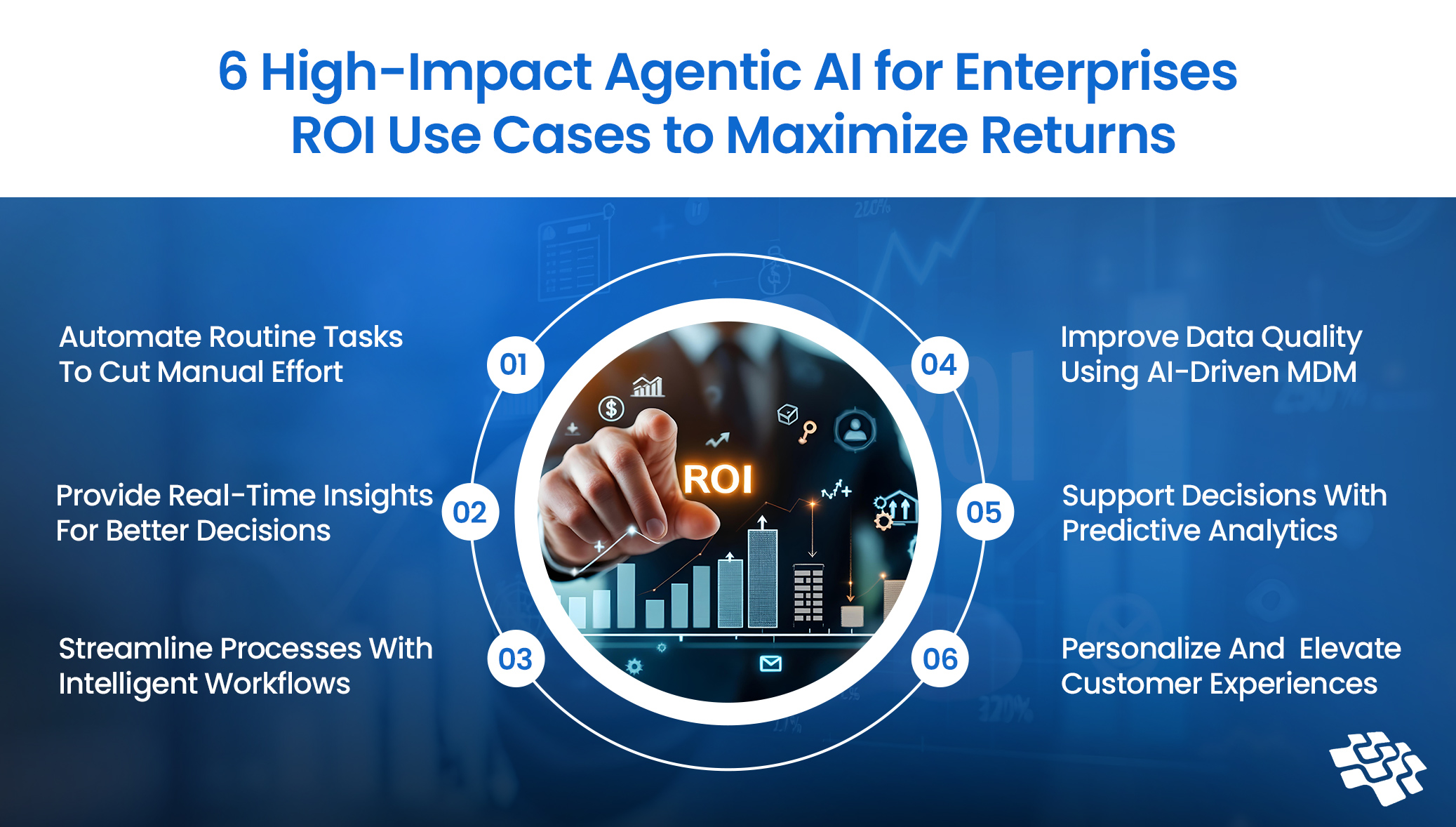 1. Automate Routine Tasks to Cut Manual Effort
Repetitive business tasks that take a significant amount of time from employees can be automated with agentic AI. Data entry, appointment scheduling, and consumer questions are among the tasks that the agents can complete. As a result, your staff can concentrate on more strategic and creative work that calls for patience and critical thinking.
Reducing time spent on pointless chores can improve operations and efficiency for your business. Employee morale is raised, and costs are reduced since team members can participate in more significant tasks.
2. Provide Real-Time Insights for Better Decisions
Agentic AI can automate routine business operations that take a significant amount of time from employees. It can handle tasks including data entry, scheduling appointments, and answering consumer questions. As a result, employees can focus on more strategic and creative work that calls for patience and critical thought.
For example, Agentic AI can evaluate consumer behavior to enhance marketing campaigns and optimize inventory control. Using data-centric insights can increase overall productivity, reduce expenses, and increase return on investment.
3. Streamline Processes with Intelligent Workflows
Agentic AI enables enterprises to streamline processes with intelligent workflows that operate seamlessly across departments, from supply chain optimization to finance automation. Unlike traditional RPA, which depends on rigid, preprogrammed scripts, Agentic AI can interpret context, respond to real-time changes, and make informed decisions when variables shift. This adaptability allows organizations to orchestrate complex, end-to-end workflows without constant human oversight.
According to Deloitte, companies that implement advanced AI-driven workflow automation see up to a 30% reduction in process cycle times. This results in the transformational impact of intelligent, autonomous workflows on enterprise efficiency and responsiveness.
4. Improve Data Quality Using AI-Driven MDM
With data unification still one of the biggest barriers to Agentic AI for enterprise ROI, agentic systems enable a self-healing, real-time data governance framework that keeps information accurate and compliant. They continuously detect inconsistencies, correct errors, enrich missing fields, and standardize data across platforms, without manual intervention.
By automating governance end-to-end, Agentic AI not only enhances data quality but also frees teams from constant clean-up work, directly improving operational efficiency and accelerating enterprise ROI.
5. Support Decisions with Predictive Analytics
Agentic AI helps enterprises generate real-time insights by analyzing both structured and unstructured data on the fly. Instead of depending on static dashboards, AI agents proactively highlight trends, flag anomalies, and refine predictions as new information appears.
This continuous intelligence improves decision-making and strengthens Agentic AI for enterprise ROI by enabling faster actions, reducing uncertainty, and guiding teams toward better operational and financial outcomes.
6. Personalize And Elevate Customer Experiences
Enterprises can use autonomous AI agents to deliver stronger and more consistent customer service across every channel. These agents personalize each interaction by understanding customer history, intent, and preferences in real time.
They can also resolve issues proactively, recommend next steps, and maintain contextual memory so customers never have to repeat information. This creates smoother, faster, and more satisfying experiences. By improving resolution speed and increasing customer satisfaction, autonomous agents significantly strengthen Agentic AI for enterprise ROI, driving higher retention and long-term loyalty.
Facing Slow Decision Making? Implement Agentic AI To Accelerate Outcomes & Maximize Business Impact
Strategies to Maximize Agentic AI for Enterprise ROI
ROI measurement is only the start. To optimize and maintain returns over time, businesses that get the most out of agentic AI employ several strategies:
- Expand Use Cases Strategically: In one department, begin with low-complexity, high-impact scenarios, and then scale using current workflows and integrations.
- Promote Adoption through Change Management: Invest in employee engagement-boosting communication tactics, internal champions, and training.
What the Future Holds for Agentic AI for Enterprise ROI
Currently, ROI frequently refers to cost reduction. However, new methods for producing money rather than just saving it are what the future holds.
- From Cost Savings to Value Creation: The New ROI Mandate: Agentic AI will be used by businesses to introduce new services, expand into untapped markets, and boost income sources.
- ROI as a Strategic Boardroom Priority: Project managers won’t be the only ones using AI agents ROI frameworks by 2026. They will direct long-term planning and boardroom tactics.
How NextGen Invent Helps Enterprises Realize Agentic AI for Enterprise ROI
Businesses that invest in agentic AI must find solutions that provide quick, quantifiable results while setting the stage for long-term change. As an AI-based software development services company, NextGen Invent meets this need and accelerates innovation in healthcare, life sciences, manufacturing, supply chain, and finance.
With our unified low-code workspace and advanced automation engine, organizations can design, deploy, and scale intelligent AI agents that automate complex, high-value workflows, from clinical operations and R&D analytics to manufacturing optimization, logistics orchestration, and financial decision automation.
Our clients report major cost reductions, increased productivity, and faster time-to-value as agentic AI becomes a core part of their operational strategy. Now it’s your turn to unlock higher efficiency, stronger outcomes, and measurable business impact with a partner committed to advancing enterprise-grade AI innovation.
Frequently Asked Questions About Agentic AI for Enterprise ROI

“Sustainable advantage will belong to CEOs who treat Agentic AI for enterprise ROI as a strategic lever, not a technology experiment. When intelligent agents are aligned to core business outcomes, they unlock new efficiencies, sharper decisions, and measurable value across the entire enterprise.”
Ruchi Garg

Chief Digital Officer
Related Blogs
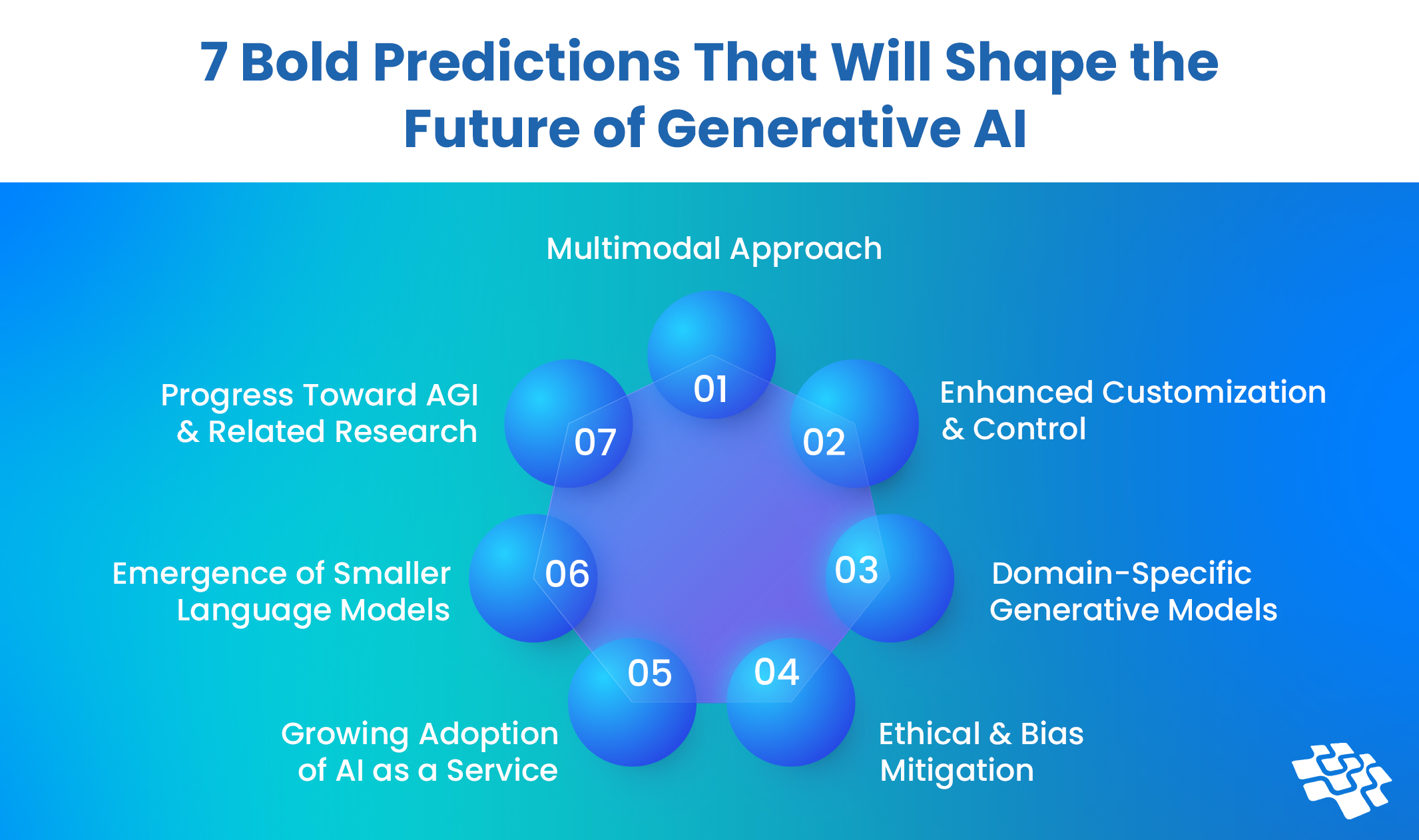
Future of Generative AI: Promises with Continued Research and Development
According to data, the future of generative AI market is projected to reach a size of around $241 billion by 2033, up from $5 billion in 2023, at a CAGR of 47.3% in the US alone.
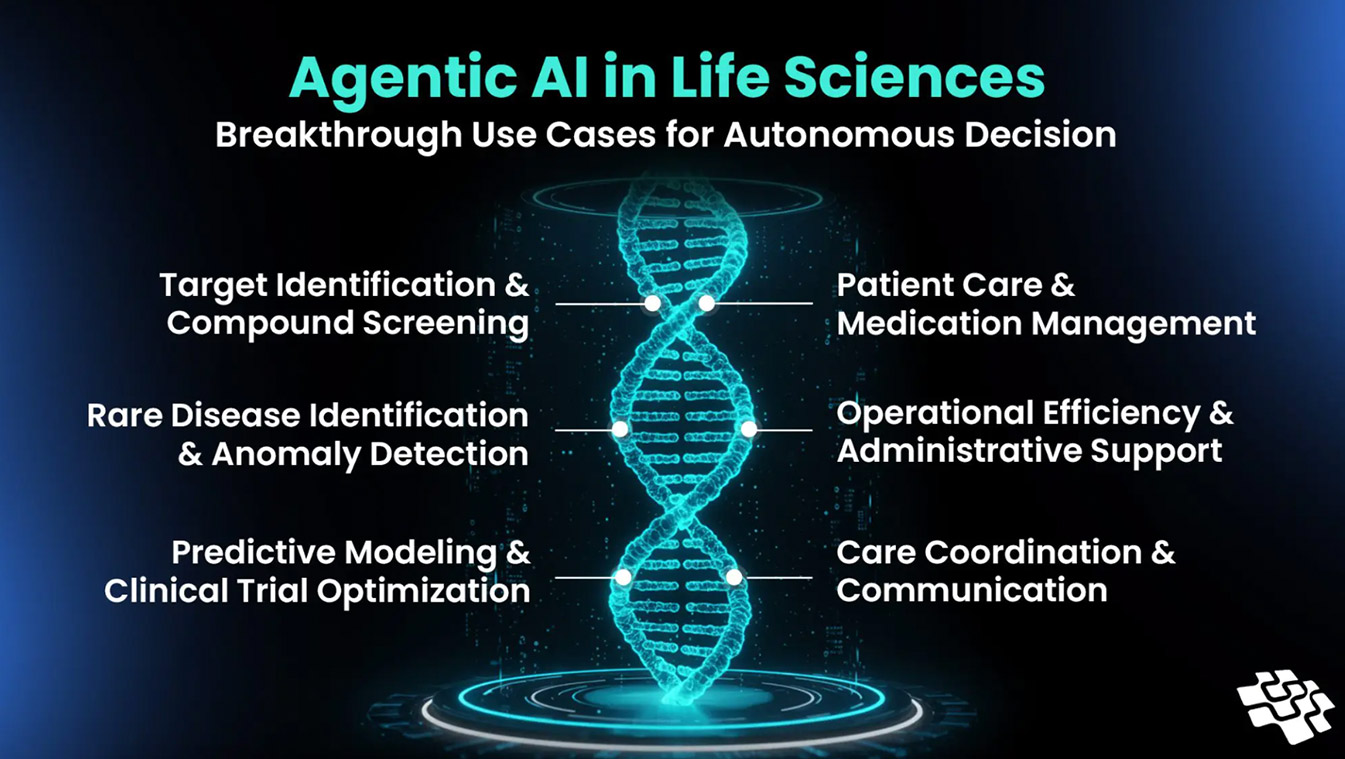
From Trial Delays to Smart Decisions: How Agentic AI In Life Sciences Is Redefining Innovation
Businesses in the life sciences are being compelled to adopt cutting-edge technologies like AI promptly due to mounting demands from R&D costs and increasingly complex regulations.
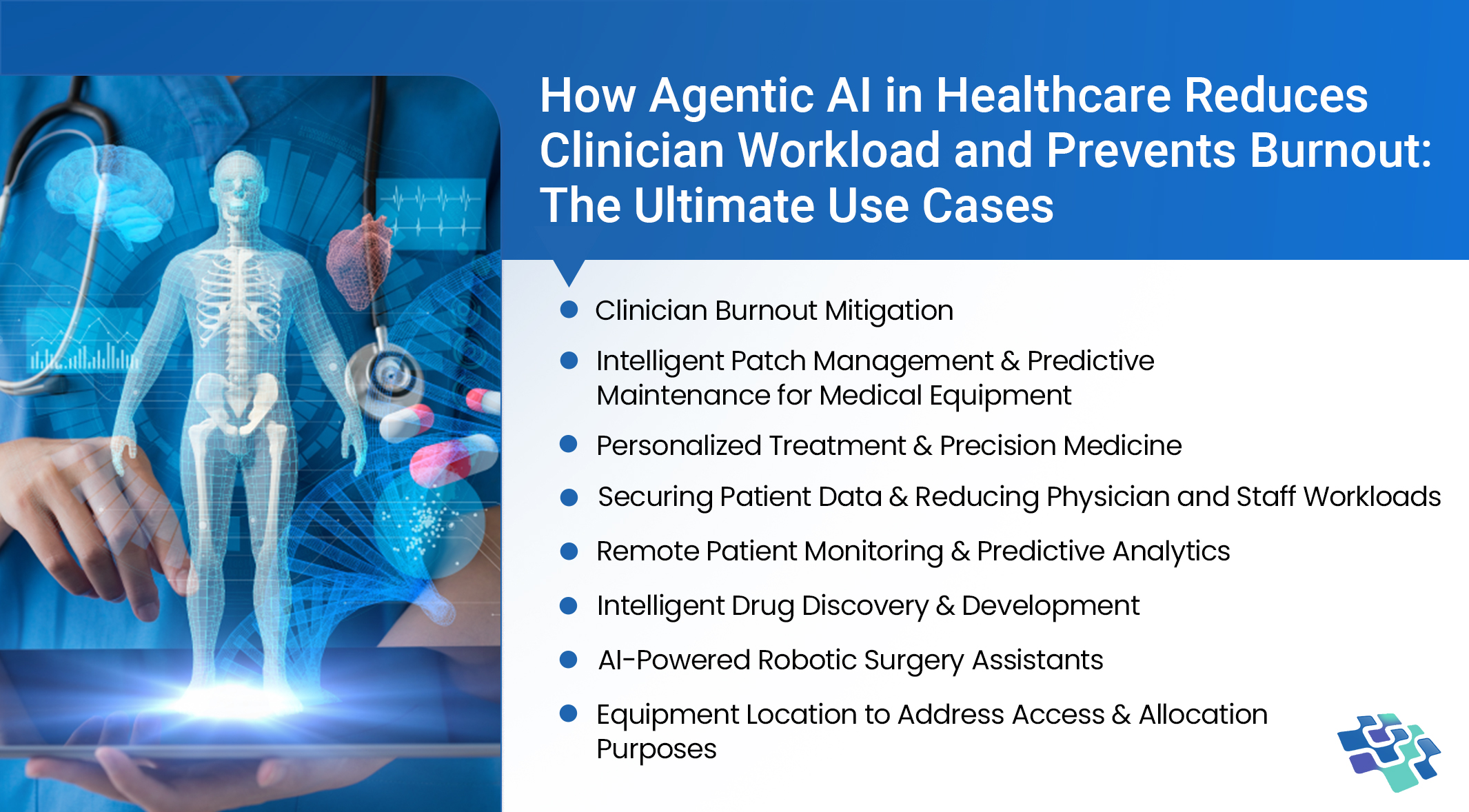
Agentic AI in Healthcare: Preventing Misdiagnosis and Reducing Diagnostic Delays
What if your healthcare system didn’t just respond to problems as they arose, but also foresaw them and took action before they even appeared?
Stay In the Know
Get Latest updates and industry insights every month.