AI in Wearables: Helping You Manage Chronic Diseases in Real Time


By gathering, evaluating, and sending real-time health data, these innovative tools enable medical professionals to improve patient care and make well-informed decisions. This blog will go over wearable health technology’s use of AI, as well as how wearables and AI will change healthcare going forward.

Close The Gap Between Symptoms and Action Through Real-Time AI Wearable Intelligence

“Currently, wearable devices play a key role in monitoring specific chronic diseases, enhancing the effectiveness of RPM by focusing on disease-specific health parameters. For instance, continuous glucose monitors track glucose levels in diabetes management, biopotential meters monitor heart rhythms in various conditions, and inertial measurement units (IMU) evaluate body movements for diagnosing stroke and neurodegenerative diseases.”- NCBI
How AI in Wearables Is Driving the Next Generation of Healthcare
The use of wearable AI in healthcare is changing the way we treat patients. Traditional healthcare mostly addresses issues as they arise, but wearables and AI algorithms offer ongoing monitoring, preventive care, tailored therapy, and early intervention. These devices efficiently monitor health indicators, including blood pressure, heart rate, and activity levels, as noted in the emergence of AI powered wearables for digital health. AI evaluates this data using innovative machine learning to produce valuable insights that help patients and healthcare professionals make more informed decisions.
- Personalized Medicine: AI enhances outcomes and patient satisfaction by tailoring treatment regimens to each patient’s unique data.
- Patient Monitoring: Clinicians can identify any deviation that may necessitate intervention by monitoring chronic conditions 24/7 with wearables.
The future of wearable technology in healthcare promises a proactive approach where physicians and patients can make quicker, more accurate health decisions, further backed by the advanced features of AI, through real-time data and continuous monitoring.
Why Data from Wearable Devices Is Becoming Essential for Chronic Care Management
Doctors use tests to evaluate various laboratory tests and vital signs during consultations; however, these are merely a quick overview of the patient’s health. Snapshot assessments of lab tests taken during consultations are often expensive and do not reflect the patient’s condition throughout the day or any variations that may be connected to daily activities.
To better understand the patient’s condition and manage chronic diseases, long-term and ongoing monitoring of the patient’s condition might be beneficial and more enlightening.
Check Our Case Study: AI-Enabled Telepathology Platform Transforming Diagnostics Accuracy
How AI in Wearables Tracks the Most Important Chronic Health Metrics
There is much more to smart wearable health devices than just counting steps. These devices monitor several vital signs to provide you with a comprehensive health picture.
Your heart’s health comes first. These devices monitor your resting heart rate, which reveals your level of cardiovascular fitness and wellness. To gauge how well you recover from stress, they also evaluate heart rate variability (HRV). The most advanced devices can conduct electrocardiogram (ECG) tests that identify conditions such as atrial fibrillation.
Monitoring breathing health is essential. The blood oxygen levels (SpO2) that the devices measure should remain between 95% and 100%. Certain kinds keep an eye on your breathing rate, which is normally between 12 and 20 breaths per minute.
Additionally, these devices keep an eye out for variations in your body temperature that could indicate illness or hormonal changes. Continuous glucose monitors provide you with real-time information about your blood sugar levels if you have diabetes.
Physical metrics include VO2 Max, a crucial indicator of cardiac fitness that displays how much oxygen you utilize when exercising. Steps, posture adjustments, and workout intensity are all part of activity tracking.
How AI Helps Wearable Devices Become Smarter & More Personalized
AI enhances the significance of wearable data by identifying nuanced trends that might otherwise remain undetected. It facilitates anomaly identification by recognizing abnormalities in vital signs that may indicate deterioration. Predictive modeling forecasts exacerbations in chronic illnesses such as asthma or heart failure. Behavioral insights arise from the correlation of physical exercise, sleep, and nutrition with health outcomes. Customized feedback provides specific recommendations to patients for self-management.
By determining what is typical for each patient, AI can also lessen false positives and minimize alert fatigue for both users and clinicians.
How AI Wearable Technology Makes Everyday Life Easier & Healthier
For those managing chronic diseases, wearable technology has many benefits, such as:
- Boosting Energy Levels & Reducing Sick Days: Reduced absences due to diseases are a result of improved chronic condition care and early detection. Users can improve their habits for maximum energy by using sleep and activity tracking.
- Streamlining Healthcare & Enhancing Focus: Both patients and providers save time by using automated data gathering and exchange. Features for managing stress, like guided breathing techniques, enhance concentration and mental clarity.
- Enhanced Patient-Provider Communication: The data gathered by wearables can be readily transmitted to healthcare providers, facilitating better-informed decision-making. Providers can evaluate patterns, modify treatment plans, and offer tailored recommendations based on precise, current information.
- Improved Medication Adherence: Patients can be reminded to take their medications on time by the reminder capabilities found in many wearables. This lowers the possibility of missing doses and increases the effectiveness of treatment overall, which is especially helpful for people who have several medicines.
AI in Wearables for Managing Specific Chronic Conditions
AI powered wearables help people manage chronic conditions such as diabetes, heart disease, asthma, and hypertension by tracking symptoms, identifying patterns, sending real-time alerts, and providing personalized insights. This allows for earlier intervention, better treatment decisions, and improved day-to-day health management.
1. Cardiovascular Health
High-tech wearables continuously monitor blood pressure, heart rate, and ECG using artificial intelligence. AI algorithms can detect irregular cardiac rhythms, predict the risk of developing heart diseases in the future, and report conditions such as hypertension or atrial fibrillation. Patients benefit from this ongoing management, which reduces the risk of more serious cardiovascular events.
2. Hypertension Control
AI in wearables enables the detection of hypertensive events and provides real-time readouts of blood pressure fluctuations. Artificial intelligence systems can identify how a patient’s risk profile changes over time, predict and analyze macro-trends in hypertension and micro-trends in the patient’s blood pressure, and provide customized lifestyle and medication recommendations that help a patient prevent or manage hypertension if it already exists.
3. Diabetes Management
The most crucial piece of advice for diabetics is undoubtedly controlling blood sugar levels. CGMs that provide continuous glucose level data and look at patterns and forecasts are part of wearable technology created using artificial intelligence. To maintain stable blood glucose levels, AI systems can identify changes to food, exercise, and insulin dosages.
4. Respiratory Disease Management
Wearables AI can track respiratory rates, oxygen saturation, and airflow patterns in patients with asthma or chronic obstructive pulmonary disease (COPD). To help manage the illnesses and prevent hospitalization, AI models should be able to predict when flare-ups are likely to occur, suggest medication adjustments, and even provide real-time feedback.
Address Poor Medication Adherence with Intelligent Wearables Providing Timely Personalized Reminders
How AI Enhances Wearable Technology for Managing Chronic Diseases
AI has transformed wearables into intelligent health companions rather than merely data trackers. To detect even the smallest changes in health, these advanced devices continuously evaluate data such as blood pressure, heart rate, and ECG readings. This wearable technology is amazing. These days, a lot of devices use edge computing in conjunction with lightweight deep learning models, which may achieve up to 96.1% accuracy with a latency of just 30 ms.
 1. Real-Time Data Monitoring & Analysis
 1. Real-Time Data Monitoring & Analysis
A comprehensive picture of a user’s health is provided by ongoing monitoring. For a more complete understanding, AI algorithms incorporate data from several sources, such as blood oxygen levels, movement, and heart rate, in addition to filtering out sensor noise. This “multimodal sensor fusion” finds patterns that single-sensor systems frequently fail to identify.
- Artificial intelligence in wearable devices can assess blood pressure from ECG data with a mean error as minimal as 0.89 mm Hg. For patients with chronic illnesses, this degree of accuracy has resulted in a 22% increase in early detection rates and a 28% reduction in diagnostic mistakes.
Another significant benefit of AI is its speed. A wearable AI system can rapidly examine the data when it senses an abrupt jump in blood pressure or an irregular heartbeat. The device facilitates timely responses during critical moments by comparing them with baseline patterns and risk indicators. However, AI does more than just monitor in real time; it also tailors health insights for each user.
2. Early Alerts & Risk Prediction
Predictive analytics is one of AI’s most revolutionary features. By examining continuous data patterns, AI systems can predict future health occurrences rather than merely recognizing existing problems.
- For example, with an AUC of 0.95, machine learning models have forecasted intraoperative hypotension up to 15 minutes ahead. Likewise, stage-2 acute renal injury has been forecasted using gradient-boosted models implemented in hospital wards 24 minutes before the attainment of clinical criteria.
- AI has demonstrated promise in detecting hypoglycemia in diabetics. Users can take preventative actions, like modifying insulin dosages, because of these early warnings.
AI powered wearables can distinguish between identifying present situations and forecasting potential threats. These gadgets can notify the user and their healthcare professional right away when a risk is detected. This shortens the “signal-to-action” window, or the time it takes to act.
3. Personalized Health Insights & Feedback
AI is taking personalized care to the next level by learning how each person responds to medication, meals, exercise, and sleep. Instead of giving general advice, wearable devices can identify individual health patterns and provide recommendations tailored to daily habits and needs.
- A study revealed that integrating smartwatch data, including ECG measurements, sleep quality, and physical activity, with AI-generated lifestyle recommendations decreased systolic blood pressure by 3.8 mm Hg and diastolic pressure by 2.3 mm Hg.
- AI is also helping improve treatment for Parkinson’s disease. Wearable sensors can track tremors in real time and use machine learning to adjust deep brain stimulation levels between 1.0 mA and 4.0 mA based on the patient’s response. This approach achieved up to 95% accuracy in selecting the right intervention.
In addition, AI-powered coaching tools encourage healthier habits through reminders, medication prompts, and personalized support, making long-term condition management easier and more effective.
4. Enhanced Patient Engagement & Improved Quality of Life
One of the biggest challenges in managing chronic illnesses is keeping patients actively involved in their care. Artificial intelligence in wearable devices facilitates the closure of this gap by delivering instantaneous feedback on essential health measures, hence enhancing patients’ ability to remain informed and involved.
- A fitness tracker might inspire a patient to reach their daily step target.
- An asthma sufferer might be reminded to take their medication by a smart inhaler.
These gentle reminders can increase treatment plan adherence and motivate patients to actively participate in their own health management.
Wearable technology can help ease the difficulties of living with chronic conditions. These devices assist patients in better managing their diseases by offering immediate interventions and ongoing monitoring.
5. Data-Driven Decision Making
Having access to thorough and precise health information is crucial in the big data era. A multitude of data is produced by wearable technology, which can be used to make wise judgments. Healthcare providers might utilize this information to:
- Uncover meaningful health trends and behavior patterns
- Anticipate potential health risks early
- Enable smarter, data-driven treatment decisions
In the end, data-driven decision-making improves patient outcomes by providing more accurate and efficient care.
Reduce Emergency Visits by Turning Wearable Data into Proactive Chronic Care Decisions
What the Future Looks Like for AI-Powered Wearable Healthcare
The upcoming generation of AI in wearable health technology will surpass current capabilities in remarkable ways, transforming the future of remote monitoring. These devices are transitioning from passive data collectors to proactive health management tools.
- Through the management and analysis of medical data, research at MIT is creating closed-loop systems that not only identify changes in blood sugar levels but also automatically administer the proper dosages of medications.
- As AI recognizes unique response patterns, personalized treatment will advance more quickly. According to a study published in Cell, wearable data and AI can identify viral infections up to 24 hours before symptoms appear, with each person’s signal patterns being different.
- With wearable health technology, artificial intelligence provides the computational capacity to identify distinct physiological patterns and create treatments that are customized for you rather than based on the typical response in a clinical study.
Proficiency in both AI implementation and healthcare compliance is crucial for organizations navigating this complicated environment. AI assistance in the healthcare industry can aid in bridging the gap between innovation in technology and real-world implementation. As a artificial intelligence software development services company, NextGen Invent combines top-tier AI talent with in-depth healthcare domain expertise to create technologically advanced solutions that enhance patient outcomes.
Check Our Case Study: AI-Enabled Digital Health Platform for Holistic Remote Care Monitoring
The Technology That Makes AI Wearables Work
You must delve deeper to comprehend the true effects of wearable AI technology on healthcare. Hardware alone isn’t what makes it magical. It is in the manner that intellect, data, and sensors combine to form a real-time health feedback loop.
- Sensors & Data: The sensor is the first layer of smart health monitoring. These tiny, accurate devices are embedded within the tool and collect health information. Most wearable AI devices in 2026 feature sensors such as motion detectors, temperature monitors, hydration sensors, SpO2 (blood oxygen) sensors, and ECG (electrocardiogram) sensors.
- Digital Twins & Personalized Health Simulations: A digital twin can mirror how a person’s health is likely to evolve. These digital twins allow clinicians to safely test different treatments, medications, or lifestyle changes in a virtual environment before applying them in real life. This makes it possible to predict how a patient may respond and choose the most effective approach with less risk.
- Predictive Analytics: The true power of AI in wearable technology lies in prediction. By analyzing subtle changes in heart rate, activity, and other health signals, AI can detect serious risks early, including heart attacks with over 96% accuracy, while continuously learning to deliver more personalized and reliable insights.
The Lasting Impact of Wearable AI on the Future of Healthcare
AI powered wearable devices are transforming healthcare by moving it from reactive treatment to proactive, continuous care. These devices do far more than track steps or heart rate. By combining wearable sensors with artificial intelligence, they can monitor vital signs in real time, detect early warning signs, and deliver personalized insights based on everyone’s health patterns. For patients, this means better management of chronic conditions, earlier intervention, and greater control over their health. For healthcare providers, it creates access to richer, real-time data that supports faster and more informed decisions.
As AI and wearable technology continue to advance, these devices will become more accurate, more connected, and more deeply integrated into everyday life, helping create a future of healthcare that is smarter, more personalized, and more accessible.
Frequently Asked Questions About AI in Wearables

“AI in wearables is redefining chronic disease management by shifting healthcare from reactive treatment to real-time prevention. These technologies empower patients with continuous monitoring and personalized insights, creating a future where care is more proactive, connected, and effective.”
Michael Kaminaka

Chief Growth Officer
Related Blogs
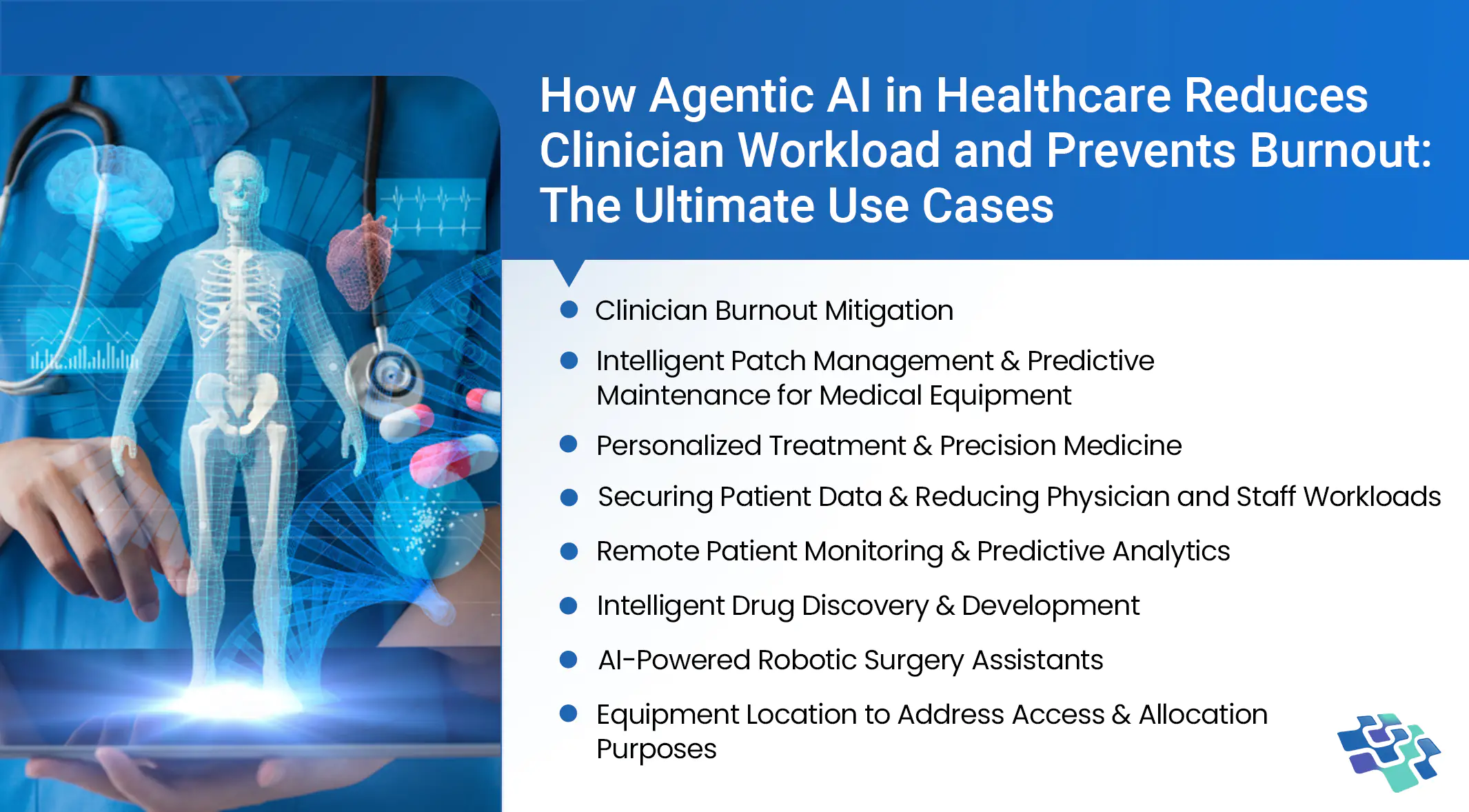
Agentic AI in Healthcare: Preventing Misdiagnosis and Reducing Diagnostic Delays
What if your healthcare system didn’t just respond to problems as they arose, but also foresaw them and took action before they even appeared?

How AI Drug Development Enhances Product Improvement Across the Drug Lifecycle
Did you know that it costs more than $2 billion and takes an average of 10 to 15 years to bring a new drug to the market? This significant timescale and...

AI for Population Health Management: Redefining Healthcare Outcomes Through Data-Driven Intelligence
Why do executives still find it difficult to derive timely and useful insights in a world where the healthcare sector produces almost 30% of all data? It seems clear that the issue...
Stay In the Know
Get Latest updates and industry insights every month.