Artificial Intelligence on Robotics: Transforming Machines into Decision-Makers


Machine learning enables robots to analyze patterns, optimize performance, and continuously improve outcomes. When integrated with advanced sensors and computer vision, robotic systems gain enhanced situational awareness, allowing them to interpret visual data, detect anomalies, and respond accurately. This combination of intelligence and automation enables businesses to handle complex tasks with greater speed and reliability.

Operational Errors Impacting Productivity? Deploy AI-Enabled Robotics for Higher Precision, Reduced Downtime, And Faster Execution
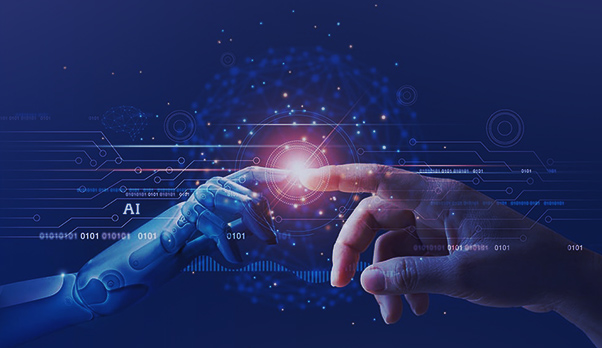
“In our midpoint scenario of automation adoption by 2030, AI-powered agents and robots could generate about $2.9 trillion in US economic value per year. Capturing this may depend less on new technological breakthroughs than on how organizations redesign workflows, especially complex, high-value ones that rely on unstructured data, and how quickly human skills adapt.”– McKinsey
Artificial Intelligence on Robotics: How AI Is Powering Smarter Automation
Intelligent robots are becoming essential components of many sectors, including manufacturing, healthcare, logistics, and consumer services, rather than just future ideas. The AI robots’ market is expected to reach $146.8 billion by 2033, growing at a CAGR of 28.12%. The fact that more than 3.5 million industrial robots are in use globally demonstrates how automation and intelligent technologies are transforming processes.
AI robots are capable of more precise task execution, data analysis, and scenario adaptation than conventional automated systems. Robots become smarter, more adaptable, and more self-sufficient when AI is included in robotics to improve capabilities, including computer vision, machine learning, and natural language comprehension. These are the main ways AI is now applied to robotics:
- Edge Computing: Edge computing is used by AI-powered robots to process sensor data locally in real-time, facilitating quick and flexible decision-making. This is especially useful for applications like autonomous industrial robots that need to react quickly.
- Digital Twin: To maximize performance and safety, robots are increasingly trained in virtual settings called “digital twins,” which mimic real-world situations. This method lowers the dangers associated with deploying robots in real-world settings while speeding up training.
- Machine Learning: AI allows robots to grow throughout time by learning from their experiences. Robots, for example, can analyze large datasets to maximize performance in activities like navigation in dynamic situations or assembly line procedures.
- Computer Vision: AI enables robots to process visual information for tasks like navigation, quality assurance, and object recognition. For drones and driverless cars to operate in challenging terrain, this capacity is crucial.
- Predictive Maintenance: Artificial Intelligence enables robots to monitor equipment’s health and detect issues before they arise. This reduces downtime and increases operational productivity in industries like manufacturing and logistics.
The Power of Artificial Intelligence with Robotics in Modern Automation
Artificial intelligence functions as the “brain” of robotics, whereas robotics supplies the “muscles” that execute the directives of AI’s intellect. Collectively, they constitute systems adept in learning, perceiving, and responding in a manner akin to humans.
- Sensing: Robots gather data through sensors, cameras, and microphones.
- Perception: This data is interpreted by AI systems to identify speech, objects, or contexts.
- Decision-Making: The AI system assesses potential courses of action and chooses the best one.
- Execution: The robot uses motors and actuators to carry out the selected mission.
- Learning: Over time, the robot gets better because of machine learning feedback loops.
Real-World Applications of Artificial Intelligence on Robotics
AI has broadened robots’ applicability, resulting in several applications:
- Quality Control: AI-driven vision systems check products for flaws, ensuring superior production standards.
- Autonomous Navigation: Automated warehouses, where robots choose and arrange things without human assistance, are an example of how artificial intelligence allows robots to navigate complex settings on their own.
- Surgical Robotics: AI provides real-time data analysis and recommendations for minimally invasive surgery, enabling surgeons to perform intricate treatments with greater precision.
- Search & Rescue Operations: AI is used by intelligent flying robots to identify survivors, traverse disaster sites, and assess damage.
Understanding the Benefits of Artificial Intelligence on Robotics
There is countless potential for businesses, organizations, governments, and individual users to apply artificial intelligence in robotics. According to statistics, artificial intelligence will account for more than 25% of the world’s GDP by the end of this decade. The advantages of AI for robotics and international business expansion are examined in this section.
1. Increased Productivity
One of the key benefits of Artificial intelligence with robotics is its ability to deliver faster, more reliable outcomes as accuracy and efficiency improve. Intelligent machines reduce errors, minimize operational losses, and maintain consistent performance. Unlike humans, robots operate seamlessly in extreme heat, confined spaces, heavy-load environments, or low-light conditions without productivity decline.
2. Enhanced Efficiency
AI-powered robots can now operate independently or partially on their own, eliminating the need for constant operator control. As a result, business owners can assign time-consuming, monotonous, and repetitive jobs to robots, freeing up their human resources for higher-level work that calls for abilities that robots cannot give. Also, autonomous robots can work around the clock without taking pauses for lunch, sick days, or vacations, ensuring continuous service and product delivery.
3. Risk Reduction & Safety
AI and hybrid automation in robotics are transforming industries where human life and health are more vulnerable. Critical tasks like working with toxic chemicals and organisms in laboratories, conducting rescue operations in hazardous areas, and supporting military and counterterrorism efforts can all become safer. Additionally, intelligent robotic systems ensure patient well-being and make high-precision treatments less intrusive, or they improve worker safety in potentially hazardous settings like factories and plants.
4. Improved Accuracy
Advanced AI technologies such as deep learning, reinforcement learning, and sensor fusion significantly enhance robotic precision. Self-learning algorithms allow machines to improve through experience, while real-time sensor processing enables refined movement and adaptive grip control. As a result, intelligent robots can handle delicate assembly, culinary tasks, and even complex surgical procedures with exceptional accuracy.
Manual Processes Slowing Robotic Operations? Implement AI-Powered Decision Engines for Faster, Smarter, Autonomous Workflows
The Real-World Impact of AI on Robotics and Intelligent Automation on Different Industries
Businesses are investing in AI to automate procedures, customize employee and consumer experiences, and revolutionize their respective industries. Artificial intelligence with robotics is used to improve results like quality, productivity, and cost savings while relieving workers of some of their workload so they can concentrate on the most important and valuable activities. AI-enabled robots have numerous applications in industry, some of which are listed below.
 1. Manufacturing
 1. Manufacturing
The first primitive robots began to appear on the production floor around fifty years ago. A manufacturing organization nowadays would be hard-pressed to function without steel robotic arms, automatic lines, and CNC industrial machines. Artificial Intelligence on robotics is drastically improving several production processes in the manufacturing industry and is increasingly regarded as the new normal. Key benefits of AI in robotics in manufacturing:
- Optimized Productivity: Robotic devices can be configured to operate constantly at the desired speed. As a result, automated robots are more productive and efficient than human labor. Remote management makes it feasible to swiftly set up or fix issues.
- Improved Quality: By reaching 100% accuracy and removing human error, smart robots enhance output quality. This increases customer satisfaction because there is less chance that defective products will reach final consumers.
- Safety: Many manufacturing professions are physically demanding and require working in dangerous environments. Robots are used in high-risk industries like mining and fertilizer production to prevent unfavorable outcomes and ensure worker safety.
2. Healthcare
Artificial intelligence on robotics is increasingly transforming healthcare by supporting surgeons, improving patient care, and optimizing hospital operations. Advanced robotic systems can now assist in complex procedures with exceptional precision, reducing the risk of human error and improving patient outcomes. Recent research has demonstrated the potential of fully autonomous surgical systems capable of performing delicate procedures with minimal human involvement.
Powered by advanced AI models such as convolutional neural networks trained on thousands of surgical motion patterns, these systems can predict tissue movement and plan precise suturing paths. Combined with high-resolution 3D imaging and real-time tracking, robots continuously adjust to subtle changes such as tissue shifts and patient breathing. These advancements represent a major step toward safer, more efficient, and exceptionally reliable surgical procedures in modern healthcare.
Check Our Case Study: Real-Time Surgery AI Platform
3. Supply Chain & Warehouses
Robotics and AI are rapidly transforming warehouse operations by enhancing logistics, order fulfillment, and inventory management. The global AI in warehousing market is expected to reach a value of $8.3 billion in 2023 and grow at a CAGR of 26.8% between 2024 and 2032, according to the latest statistics. With 85% of businesses planning to implement automation in their warehouses within the next 12 months, the adoption of these technologies is gaining momentum. Specifically, 31% of facilities said they intend to implement autonomous mobile robots (AMRs) for pallet-sized products soon.
These developments are driven by the pressing need to increase order fulfillment accuracy, satisfy the growing needs of e-commerce, and handle labor shortages, a problem that 41% of warehouse managers experience when trying to recruit and retain personnel.
4. Agriculture
Artificial intelligence-powered robotics is transforming agriculture by enabling precision farming, continuous crop monitoring, and automated harvesting. These intelligent systems help farmers make data-driven decisions that improve productivity while promoting sustainable resource use.
Modern agricultural robots are designed to navigate fields with minimal impact on crops while collecting detailed data from multiple perspectives. Equipped with cameras and advanced AI algorithms, they analyze images to detect pests, plant diseases, and nutrient deficiencies in real time. This allows farmers to respond quickly and apply targeted treatments rather than relying on broad, resource-intensive methods. Many of these robotic platforms are also designed with adaptable structures, allowing them to adjust to different crop types and field conditions. By delivering accurate insights on water, fertilizer, and crop health, AI-driven robotics is helping build a more efficient and sustainable future for agriculture.
5. Mining
Robotics driven by AI in mining significantly improves efficiency, safety, and accuracy. Without human drivers, autonomous mining trucks traverse difficult terrain and dangerous locations, improving drilling and extraction efficiency and lowering the possibility of mishaps. According to McKinsey & Company, by 2030, up to 30% of manual mining jobs will be completely automated.
At its iron ore mines in Western Australia, a multinational mining group deployed AI-powered autonomous drills. With little assistance from humans, these drills can navigate, position, and drill precisely thanks to AI and sensors. Adjustments can be made on the fly thanks to real-time geological data analysis. By keeping people out of dangerous areas, they have improved worker safety and witnessed a 15% increase in productivity since the introduction.
6. Retail
Robotics is increasingly enhancing customer and guest experiences across retail and hospitality by automating service tasks and improving operational efficiency. Many retailers now use robots equipped with cameras and computer vision to scan store shelves, monitor inventory levels, and detect misplaced items, helping staff maintain accurate stock and reduce manual effort. In large retail stores, autonomous robots patrol aisles to identify out-of-stock products and pricing errors in real time.
In the hospitality sector, service robots are being used to greet guests, deliver room service, and assist with navigation inside hotels. Some restaurants have also introduced robotic assistants to deliver meals to tables or support kitchen operations, ensuring consistency and hygiene. These real-world applications demonstrate how intelligent robotics is helping businesses enhance customer satisfaction while streamlining daily operations.
Complex Industrial Tasks Slowing Operations? AI-Enabled Robotics Deliver Faster Execution, Adaptive Learning, And Intelligent Automation
Challenges & Important Considerations in AI Robotics Adoption
1. Privacy & Data Security Issues
Large volumes of data, including potentially sensitive information, are frequently transmitted over wired connections like Ethernet cables or wireless networks during data-intensive autonomous robot operations. These bring up concerns regarding security and privacy regarding the data collected by this type of robotics technology, intended for use, such as smart city surveillance cameras, making agentic AI security a more pertinent factor to consider as robots become more capable of making decisions on their own. Because of the risks of data breaches and misuse, artificial intelligence systems should adhere to stringent data protection laws.
2. Autonomous Decision-Making & Liability
Liability concerns in the event of a malfunction or accident become increasingly pressing as AI systems get more independent. Determining who is at fault, the manufacturer, software designer, or operator, when a robot makes a decision that causes harm, can be difficult from a legal standpoint. This raises moral questions about crucial AI applications that could endanger human life or substantial property.
3. Managing Power Demands & Battery Life
Copious amounts of processing power are used by complex AI systems, which may result in high utility costs. For transportable robotic platforms that use batteries as their main power source, this is particularly important. Furthermore, it’s still difficult to find an accord between the requirement for strong AI processing and short battery life, particularly in applications that need long operating times.
4. Interoperability with Existing Systems
It can be challenging to integrate robots driven by AI into current systems, particularly in situations where other corporations continue to rely on antiquated technologies. Many times, significant customization is required to ensure smooth communication between new AI technologies and older systems, which raises the costs and complexity of deployment. This difficulty can occasionally halt the deployment of such technologies since integration may be too costly or disruptive for certain businesses.
What’s Next for AI on Robotics? Key Trends Shaping the Future
1. Swarm Robotics
Coordination of numerous simple robots to carry out intricate tasks collectively is known as swarm robotics. These robots communicate and work together to accomplish shared objectives, drawing inspiration from the actions of social insects like ants and bees. Applications could be used for agricultural chores like planting and harvesting, disaster response, and environmental monitoring. More complex swarm behaviors and real-time adaptability to shifting conditions will be made possible by advances in AI.
2. AI-Driven Nanorobots
Nanorobots, which are tiny robots with a size of nanometers, have the potential to transform medicine by carrying out cellular-level functions. These nanorobots have the potential to improve treatment outcomes by targeting cancer cells, delivering medications directly to impacted areas, and mending damaged tissues. Nanorobots could build materials at the molecular level in manufacturing, producing new materials and goods with better quality.
3. Human-Robot Collaboration
One of the most exciting developments is the creation of collaborative robots, or cobots, which are made to work side by side with people in public areas. To comprehend human intentions, adjust to human actions, and ensure safety in co-working spaces, these robots will be outfitted with innovative AI. This partnership is anticipated to have a significant positive impact on industries like manufacturing, healthcare, and logistics, increasing productivity, and lowering workplace injuries.
4. Brain-Computer Interfaces (BCIs)
The goal of BCIs is to establish direct channels of communication between the human brain and external devices. With the help of AI-driven BCIs, persons with impairments can operate prosthetic limbs and robots with their thoughts, increasing their level of autonomy and quality of life. Additionally, this technology has the potential to improve human cognitive and physical capacities, resulting in previously unheard-of breakthroughs in industries like personal augmentation, healthcare, and the military.
Check Our Case Study: ImplantIQ: The Agentic AI-Enabled Solution for MRI Centers
Conclusion
Artificial intelligence on robotics is enabling machines to perform complex tasks with greater intelligence, adaptability, and precision. As industries continue to adopt intelligent automation, robots are evolving from simple programmed systems into collaborative partners that can learn from data, respond to changing environments, and support human decision-making.
From manufacturing and healthcare to supply chain and agriculture, the integration of Artificial intelligence with robotics is driving efficiency, improving safety, and unlocking new levels of productivity. As these technologies mature, their impact will extend even further, transforming how organizations operate and innovate. However, successfully implementing intelligent robotics requires the right expertise, strategy, and technological foundation. Partnering with an experienced artificial intelligence development services company can help businesses design, deploy, and scale AI-powered robotic solutions effectively. Organizations that embrace this transformation today will be better positioned to lead in the intelligent, automated world of tomorrow.
Frequently Asked Questions About Artificial Intelligence on Robotics

“Artificial intelligence on robotics is redefining it from rule-based automation to intelligent decision-making. As machines gain the ability to learn, adapt, and act autonomously, organizations can unlock new levels of efficiency, safety, and innovation, transforming robotics into a strategic driver of modern industry and intelligent operations.”
Nitin Kumar

AVP, Data Science
Related Blogs
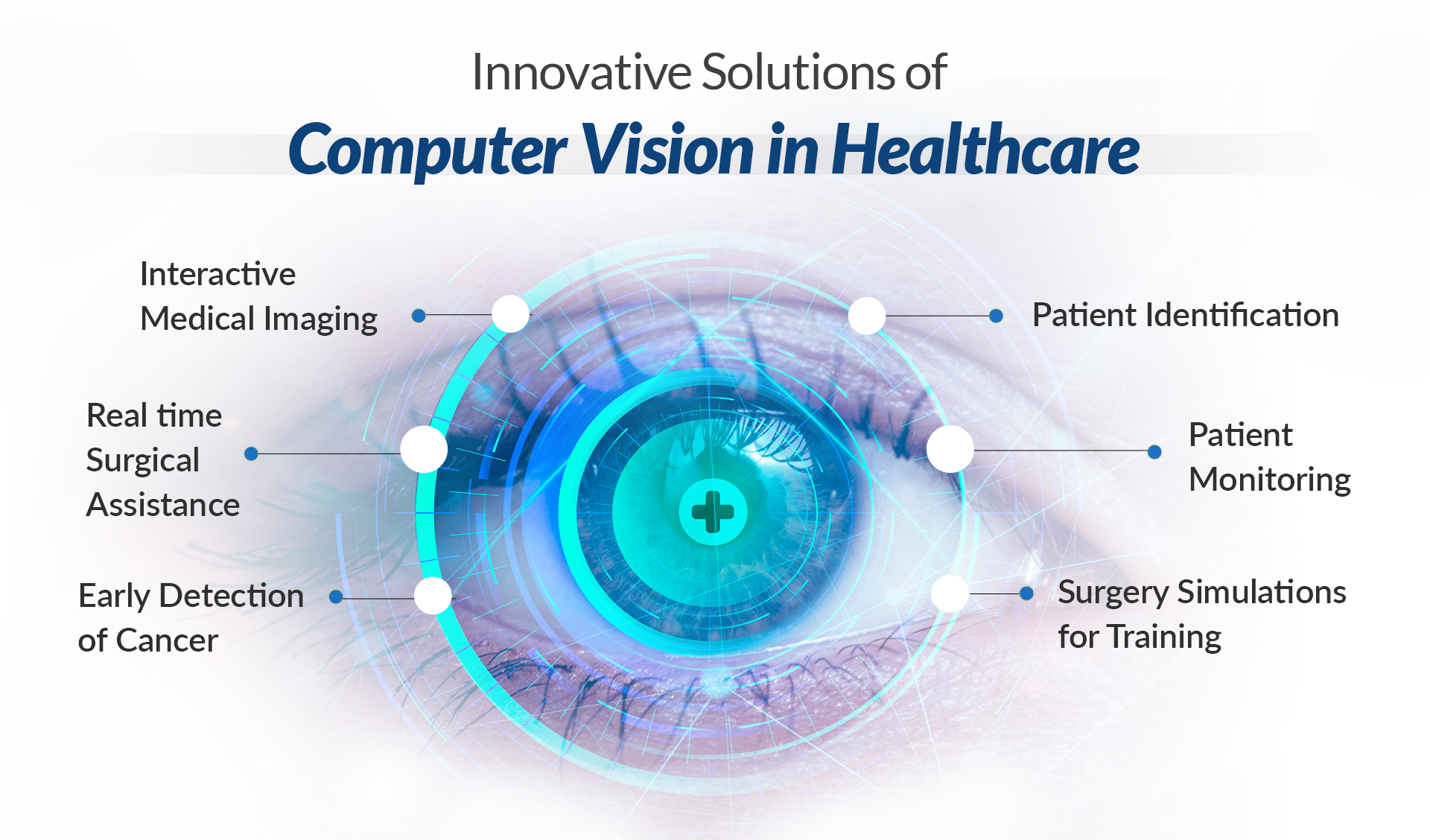
Computer Vision in Healthcare: Transformation is Here
Artificial intelligence and computer vision are fundamental in medical imaging, enabling applications like DICOM image analysis, patient care optimization, telemedicine, blood analysis...
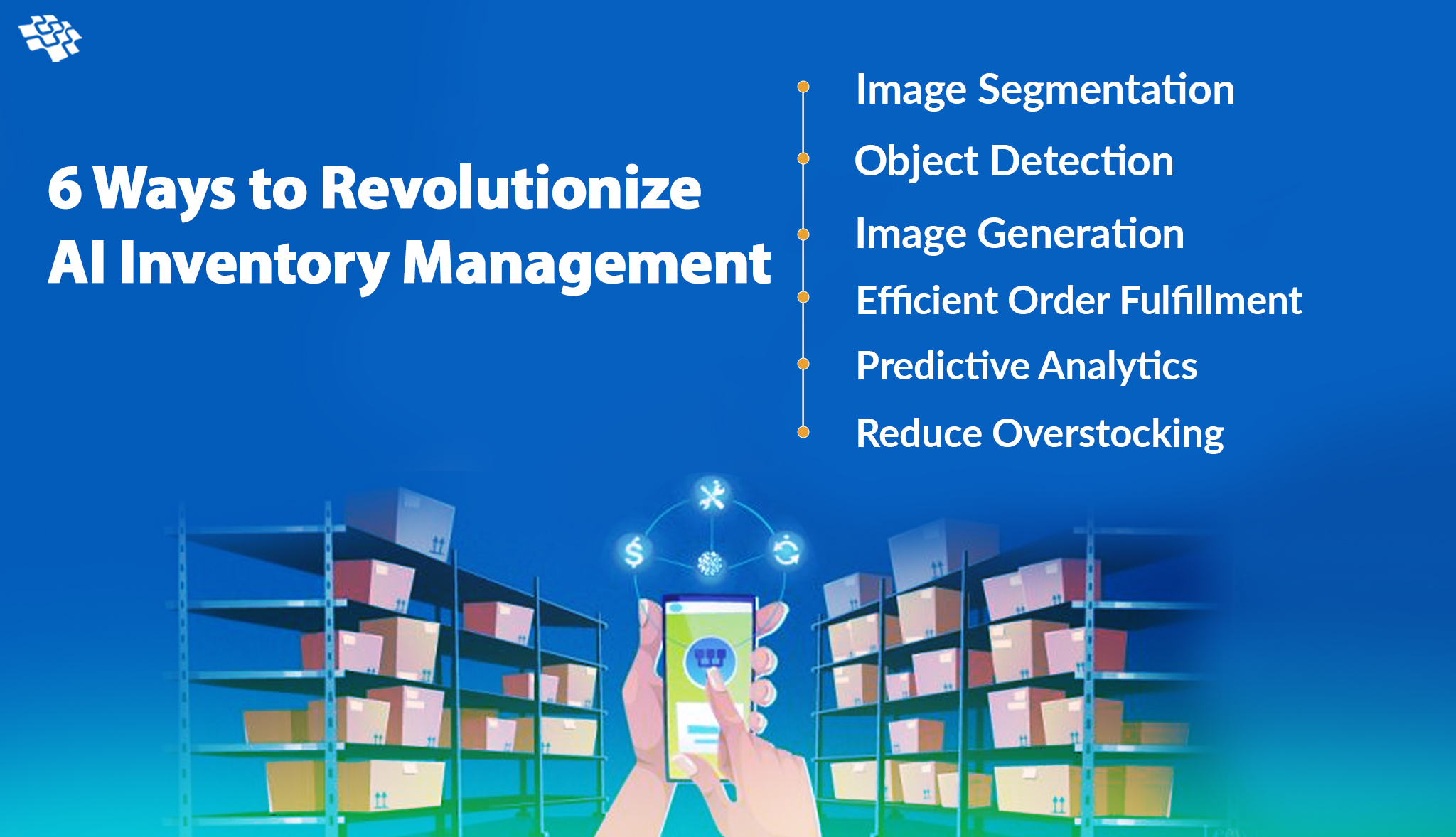
How Computer Vision is Revolutionizing AI Inventory Management?
Inventory automation, empowered by artificial intelligence and computer vision, expedites processes, cutting costs by eliminating tedious human tasks.
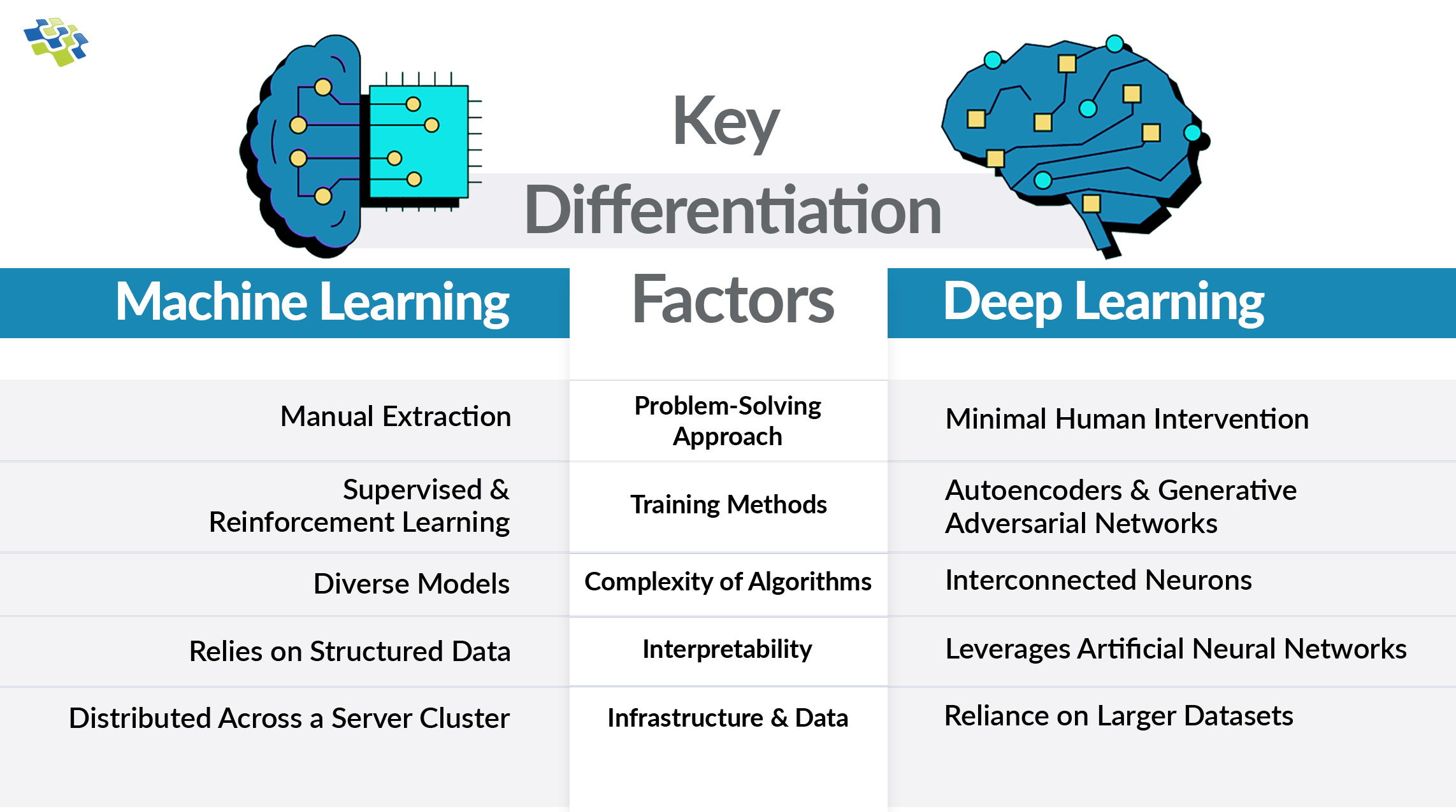
The Ultimate Comparison of Machine Learning vs Deep Learning
Artificial intelligence (AI) can seem overwhelming with its rapid advancements, but at its core, two fundamental ideas drive much of its progress: Machine Learning vs Deep Learning.
Stay In the Know
Get Latest updates and industry insights every month.