How to Reduce Claim Denials with AI Across the Revenue Cycle and Improve Healthcare Revenue Performance


Instead of viewing AI claim denial as a stand-alone solution, industry experts see it as an essential component of revenue cycle modernization. Through automation, prediction, and data-driven decision support, AI in revenue cycle management can increase revenue collection, minimize administrative costs, and lower denial rates.

Overcome Revenue Leakage, Coding Inefficiencies, And Delayed Reimbursements by Implementing AI-Driven Denial Prevention Strategies Today

“Nearly 15% of all claims submitted to private payers initially are denied, including many that were preapproved during the prior authorization process. Overall, 15.7% of Medicare Advantage and 13.9% of commercial claims were initially denied.”– American Hospital Association
How Denied Claims Drive Revenue Loss and Inefficiencies in Healthcare Organizations
Denials arise from multiple factors, including hospitals’ inability to provide documentation demonstrating the necessity of a medical procedure and administrative errors. For instance, an insurance provider (e.g., CMS or a private payer) may reject a hospital’s claim if it is submitted with incorrect data, such as obsolete patient insurance details or a misspelled identity.
- The resources a health system uses to revise a claim are another expense associated with denials.
- A health system must decide whether it can reverse a payer’s denial or whether the claim has been lost and cannot be retrieved.
- For instance, the billing team will examine the data and try to determine the cause of the denial if a health system believes it can correct and resubmit a claim.
- Following this, cross-functional teams collaborate with providers, patient access, and health information management to identify breakdowns across the claim submission process.
- The billing team resubmits the claim with the goal of receiving payment after gathering all the necessary data.
- Reimbursement is not ensured, and even when a claim is eventually approved, healthcare staff must invest significant additional time and effort in rework.
By using AI, organizations can significantly reduce, and in many cases even prevent, denied claims. To reduce claim denials with AI, advanced predictive models monitor the entire billing process and alert stakeholders when disruptions occur. Using advanced analytics algorithms, AI tools can identify areas vulnerable to denials before issues escalate. This proactive insight enables revenue cycle teams to intervene early, resolve potential errors, and prevent claims from being denied in the first place.
Signs Your Healthcare Billing Process Needs Improvement
As 2027 approaches, practice managers see recurring warning signs. Despite skilled billing personnel working long hours, unpaid claim backlogs continue to grow. Instead of effectively processing new claims, teams spend most of their days making corrections and resubmitting claims.
Employing more workers simply implies that more people will be using poor technology. Decision support and information flow are the true problems, not work ethic or skill.
Higher medicare advantage denial rates, more stringent prior authorization enforcement after regulatory changes, and ongoing revenue cycle staffing shortages are some of the current issues. Adoption of agentic AI technology is crucial for financial sustainability because of these reasons.
Traditional Denial Management vs AI-Powered Denial Prevention
Traditional denial management frequently requires reactive approaches. Human resources play a major role in manual review procedures, verifying claims against payer regulations, and reacting to rejections or denials.
Insurance businesses can anticipate and stop claim denials because of AI, which includes machine learning and data analytics. This proactive approach increases efficiency, minimizes claim rejections, and enhances revenue cycles, allowing for more effective resource allocation.
What Challenges Did Healthcare Providers Face Before Using AI in Revenue Cycle Management?
Before implementing AI, healthcare providers encountered several challenges in effectively managing revenue cycles:
- Inefficient Denial Management: In the past, businesses used manual review, which required a lot of resources and time to find and correct denied claims. While healthcare providers worked to identify and address the denied claims, denial management presented a significant challenge.
- High Operational Costs: The manual review and correction processes used in the past took more time and resources. This resulted in higher operating expenses and a delayed revenue recovery.
- Error-Prone Manual Tasks: Errors typically occur when many medical billing, coding, and reimbursement tasks are performed. In the end, this caused the insurance claim to take longer to complete.
- Payment Delays: Cash flow and financial stability can be impacted by errors and inefficiencies in the RCM workflow, which can seriously delay insurance payments and patient collections.
What Is Agentic AI Denial Management? How to Reduce Claim Denials with AI
As an extension of the revenue cycle team, agentic AI denial management is a clever approach. It not only compares claims and finds errors, but it also monitors trends by payer and claim type to find patterns that could lead to future denials. Hospitals can increase claim accuracy, minimize rework, and maximize revenue performance by taking care of these potential problems early on.
Agentic AI is technically more advanced than RPA. While RPA executes predetermined tasks, Agentic AI learns from past denials, adapts to payer-specific restrictions, and integrates with analytics dashboards to offer actionable information. It can provide personalized appeal letters, suggest fixes for persistent coding mistakes, and even suggest changes to the workflow to stop denials in the future. Denial management becomes proactive, self-improving, and integrated with operational objectives as a result.
Important capabilities include:
- Finding disparities between claims and clinical records
- Comprehending and utilizing payer regulations to anticipate rejections
- Creating precise, payer-specific appeal letters with the least amount of human involvement
- Learning from results constantly to increase precision and effectiveness
How Denial Management Software Works in Healthcare Revenue Cycle Management
To expedite denial resolution procedures, healthcare denial management software combines data analytics, automation, and machine learning.
- Predictive denial detection is the first capability. To find trends linked to rejected claims, AI systems examine past claims and payer responses. The algorithm marks future claims for examination before submission when similar trends emerge.
- Automated root cause analysis is the second capability. Healthcare denial management software automatically examines payer codes, supporting documents, and billing information to ascertain the reason for the denial. Manual inquiry is no longer necessary as a result.
- Automated workflow management is the third capability. Healthcare AI-powered claim denial solutions can assign priority levels, route refused claims to the right teams, and monitor the status of appeals.
By reducing the time required to process denied claims and increasing the likelihood of reimbursement, these capabilities enable hospitals to enhance denial management in the healthcare industry.
How Denial Management Services Enhance Revenue Cycle Efficiency in Healthcare
By lowering avoidable claim denials, speeding up recovery, and transforming denial data into operational enhancements throughout the revenue cycle, healthcare denial management systems increase efficiency. It provides the following:
Higher Claim Rates
AI-enabled digital health services employ denial trend analysis, documentation checks, and payer logic before and after submission.
- Root causes are determined by geography, payer, code, or specialty.
- Upstream solutions minimize rework and recurring denials.
- After putting in place established protocols, many firms observe quantifiable decreases in denial rates.
Enhanced Overall Revenue Performance
Effective hospital denial management strategies recover revenue that would otherwise be written off. Structured appeals raise overturn rates, but AI-driven validation and predictive risk rating enhance clean-claim performance.
Lower Administrative Costs in Revenue Cycle Management
Reworking a denial might cost tens of dollars per claim. Administrative waste can be decreased by effectively preventing and addressing them.
- Automated monitoring and notifications minimize human interactions.
- Structured workflows streamline operations and remove redundancies.
- High-impact rehabilitation work is the focus of specialized teams.
Benefits of AI in Revenue Cycle Management for Claim Denial Management
1. Improved Compliance & Enhanced Reporting
To automate and audit procedures and reduce regulatory risk, AI systems handle the finer elements of compliance by adhering to rules and guidelines. Many AI denial management solutions have advanced analytics and reporting features that let customers view denial rates, reasons, response times, and trends via interactive dashboards, facilitating ROI evaluation and continual improvement.
2. Faster Rework Cycle for Denied Claims
AI speeds up rework for rejected claims by pinpointing specific instances of missing or inconsistent data and facilitating quick fixes. This approach helps reduce claim denials with AI, leading to a 60% reduction in the rework cycle time, which aids billing teams in promptly resolving problems and reestablishing revenue flow.
3. Increase in First-Pass Claim Acceptance Rates
Cash flow and payer relationships are immediately impacted by clean claims that are approved on the first submission. Providers can raise clean claims by up to 15–20% using AI-driven validation and format uniformity, which also improves payment timelines and lowers administrative expenses.
4. Hours Saved Per Month in Manual Data Entry
Data entry by hand from PDFs, scanned forms, and EOBs can save important staff time. Healthcare teams can save up to 200+ (sample value) hours a month by using AI to automate this repetitive operation at scale. This frees people for higher-value tasks like patient billing support and denial prevention.
Reduce Operational Inefficiencies, Billing Inaccuracies, And Denial Rates Through Intelligent Automation Designed for Modern Healthcare Revenue Cycles
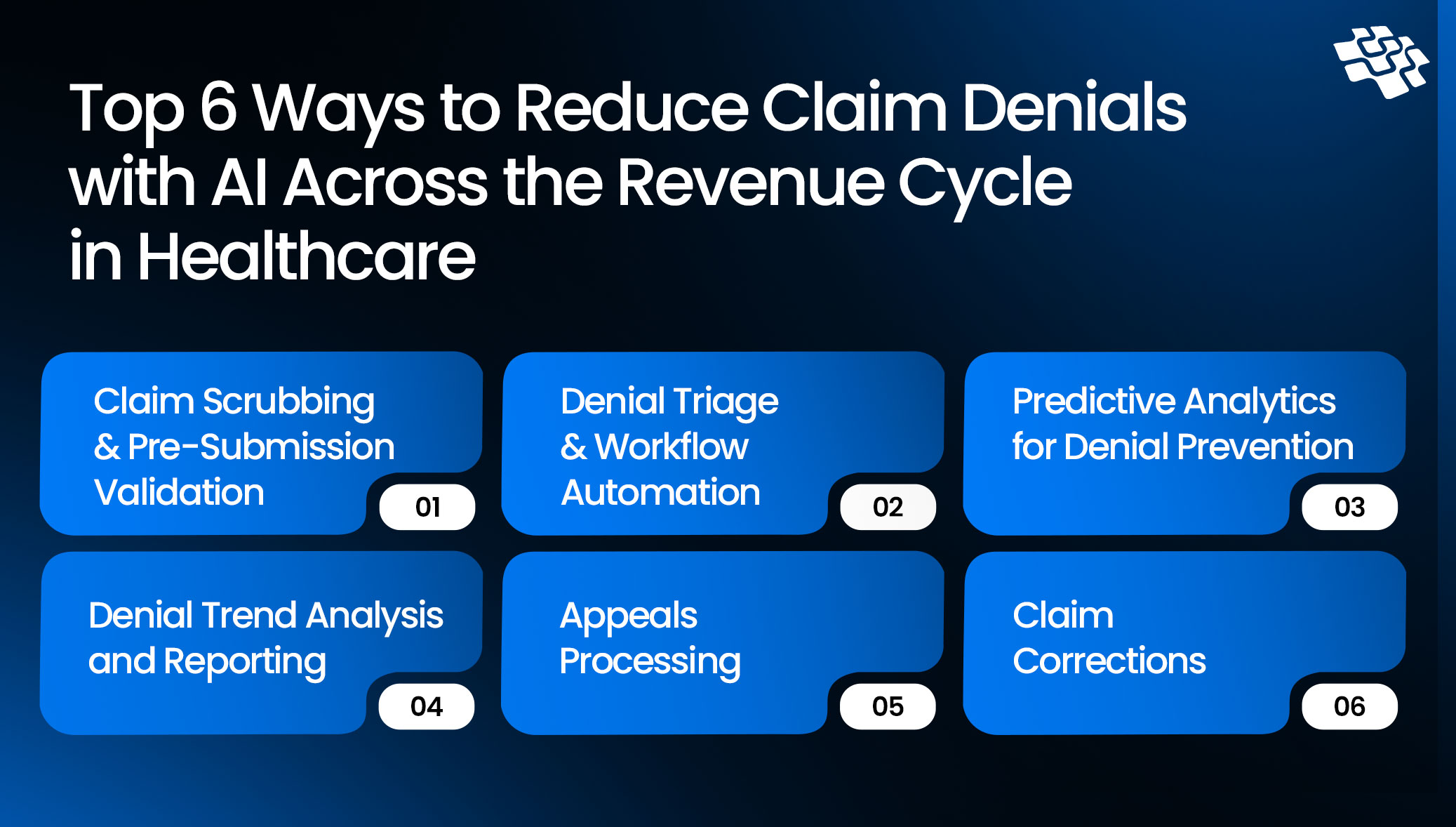
How to Reduce Claim Denials with AI Across the Revenue Cycle: Top 6 Ways
Healthcare organizations’ attitudes toward denials are changing because of the incorporation of AI, shifting from reactive procedures to intelligent, proactive ones. AI-driven healthcare solutions for claim denial management verify patient eligibility, identify coding inaccuracies, and ensure compliance with payer-specific guidelines. These systems continuously increase their accuracy and adjust to new denial trends by learning from historical data. Businesses that specialize in denial management and associated services are using AI more and more to provide greater value.
 1. Claim Scrubbing & Pre-Submission Validation
 1. Claim Scrubbing & Pre-Submission Validation
AI improves claim accuracy and lowers human error:
- Instant Eligibility Checks: AI bots can verify patient coverage, limitations, and authorization requirements instantaneously. This function, typically included in extensive denial management services, reduces denials associated with eligibility.
- AI-Driven Rules Engine: Ensures claims are validated against payer requirements, medical necessity criteria, and coding standards before submission.
- Real-Time Documentation Review: AI uses NLP to ensure that paperwork aligns with coded procedures and diagnoses, hence reducing claim denials with AI intervention.
2. Denial Triage & Workflow Automation
Optimize your denials process to enhance efficiency and increase resolution rates:
- Categorize & Route Denials: AI may autonomously categorize denials by issue type and allocate them to the appropriate team. This intelligent routing is essential for smooth operations.
- Automated Task Assignment: AI-powered revenue cycle management solutions can assign tasks according to employee expertise and workload. Any denial management business can operate more efficiently because of this automation.
3. Predictive Analytics for Denial Prevention
AI-enabled predictive analytics looks for trends in past claim data and forecasts which claims are likely to be rejected. AI models can proactively detect potential issues before claim submission by analyzing patient demographics, payer policies, coding patterns, and historical denial data. For instance:
- Payer Behavior Analysis: AI helps providers modify submissions by identifying payer-specific denial trends, such as frequent rejections for CPT codes.
- Risk Scoring: AI allows billing teams to prioritize high-risk claims for assessment by assigning risk scores to claims based on the probability of denial.
For Example: Within six months, a large medical system denial rate dropped by 17% because of the use of an AI-driven predictive analytics tool. The technology allowed staff to fix mistakes before submission by flagging claims with inaccurate ICD-10 codes and missing prior authorizations.
4. Denial Trend Analysis and Reporting
To find patterns and underlying causes, AI systems compile and examine denial data. For instance:
- Denial Categorization: AI helps prioritize corrective actions by classifying denials based on type, such as coding errors or eligibility issues.
- Provider Performance Insights: AI enables focused training by spotting trends in denials associated with departments or suppliers.
- Payer Policy Updates: AI watches changes to payer policy and modifies billing procedures to avoid denials.
AI helps enterprises resolve systemic problems and avert denials by offering actionable insights.
5. Appeals Processing
Robotic process automation enables bots to be configured to manage the monotonous duties associated with the appeals process, including the collection and organization of documentation and communication with insurance providers. This enables faster and more accurate appeal processing, reducing staff workload while improving the likelihood of successful outcomes.
Moreover, automated appeals processing can expedite the resolution of claims disputes, hence enhancing patient satisfaction and faith in the healthcare system.
6. Claim Corrections
Agentic AI enables healthcare organizations to automate repetitive tasks such as insurance claim submission, eligibility verification, and payment processing with greater speed and accuracy. By integrating intelligent automation, providers can reduce claim denials with AI while improving overall workflow efficiency. Automating these processes not only minimizes manual errors but also accelerates turnaround times, leading to faster reimbursements.
As a result, billing teams can shift their focus to more strategic, judgment-driven responsibilities. This streamlined approach reduces operational costs, enhances revenue cycle performance, and improves patient and provider satisfaction by ensuring a more reliable and error-free claims management process.
Address Increasing Payer Scrutiny and Administrative Burden by Adopting AI Strategies to Reduce Claim Denials with Precision
The Future of AI-Powered Denial Management in 2026
As artificial intelligence progresses, the future of denial management in healthcare is poised for significant breakthroughs. AI will enhance current denial management and develop innovative techniques for preparing, reducing, or resolving AI claim denials with unprecedented speed and accuracy.
- Future AI models will incorporate more advanced predictive analytics, enabling healthcare providers to allocate risk scores to claims before submission. These risk scores will facilitate the prioritization of claims requiring meticulous examination, ensuring that high-risk submissions are rectified prior to submission to the payer. This predictive ability will markedly decrease denial rates and enhance first-pass claim acceptance.
- The future generation of AI will utilize advanced natural language processing (NLP) and voice recognition to automate the development of appeals. AI assistants will compose persuasive appeal letters, include pertinent documentation, and engage with payers through voice-based virtual agents, thereby minimizing the necessity for human involvement in routine appeal procedures.
- AI-driven denial management will interface easily with electronic health records (EHRs), ensuring clinical documentation complies with billing rules. AI will verify physician notes, treatment plans, and diagnostic codes during the claim creation phase rather than the post-claim phase, significantly reducing denial rates.
Does AI Replace Billers in Healthcare? AI vs Manual Claims Processing
A common belief is that AI will replace humans. Companies that are successful with AI are those who use it to strengthen rather than minimize the strength of their employees.
Although RCM and billing tasks require a high level of ability, a large portion of the daily tasks are repetitive, such as tracking regulations, sending appeal letters, and verifying statuses. These tasks take up time and don’t add anything.
AI changes that situation. Artificial intelligence frees up billers’ time to focus on the strategic work that truly generates revenue by managing monotonous, rule-based tasks:
- Evaluating complex cases that require detailed attention
- Interpreting data patterns to uncover trends and insights
- Enhancing the quality and accuracy of documentation
- Guiding providers with actionable strategies to prevent claim denials proactively
To put it another way, the finest AI transforms billers into “super billers,” who can accomplish more with less burnout rather than replacing them.
Reduce Claim Denials with AI: How NextGen Invent Helps Healthcare Providers Use AI the Right Way
At NextGen Invent, technology is not implemented for the sake of innovation alone but is aligned with real business outcomes. Through our Agentic AI-based provider operations software development services, the focus remains on delivering practical and cost-effective improvements to the revenue cycle. When it comes to AI, the approach goes beyond industry hype to apply it where it creates measurable impact, helping healthcare organizations reduce claim denials with AI through proactive denial prevention rather than relying on inefficient, redundant recovery processes.
Here’s how we help you succeed:
- Revenue Cycle Assessment: We assess your present procedures, cost-to-collect, and denial trends to see if AI will add overhead or provide a ROI.
- Real-Time EHR Integration: Coding decisions are based on complete, up-to-date clinical data because of a bidirectional connection with current electronic health record systems. Consequently, fewer documentation gaps will result in denials related to eligibility and authorization.
- Data-Driven Optimization: Once AI systems are deployed, performance is monitored to ensure ongoing optimization and measurable outcomes. This includes tracking avoidable denials, recognizing emerging payer behavior patterns, and continuously refining workflows to improve efficiency over time.
- Deep RCM Expertise: With decades of hands-on experience in revenue cycle management, the team combines deep operational knowledge with intelligent automation. This blend of expertise and technology enables faster collections, improved claim accuracy, and a smoother, more efficient revenue cycle with minimal friction.
- Pre-Bill Documentation Validation: Before submission, the system checks the documentation’s completeness, highlighting encounters that lack necessary diagnoses, procedure information, or payer-specific coding requirements.
Conclusion
The cost associated with claim denials is significant to overlook. In a system already burdened by regulatory intricacies, workers’ limitations, and shrinking margins, healthcare providers can no longer depend exclusively on manual operations. Artificial intelligence provides a proactive, data-driven, and scalable solution.
Implementing AI-driven insurance follow-ups enables practices to bridge the gap between services provided and payments collected.
Get in touch with us if your organization is prepared to reduce denials, boost reimbursements, and strengthen your revenue cycle. Let’s use AI to rethink the capabilities of your billing system.
Frequently Asked Questions About Reduce Claim Denials with AI

“AI is redefining revenue cycle performance by shifting organizations from reactive denial management to proactive prevention. Those who leverage AI effectively will not only reduce claim denials but also unlock faster cash flow, stronger margins, and long-term financial resilience.”
Michael Kaminaka

Chief Growth Officer
Related Blogs
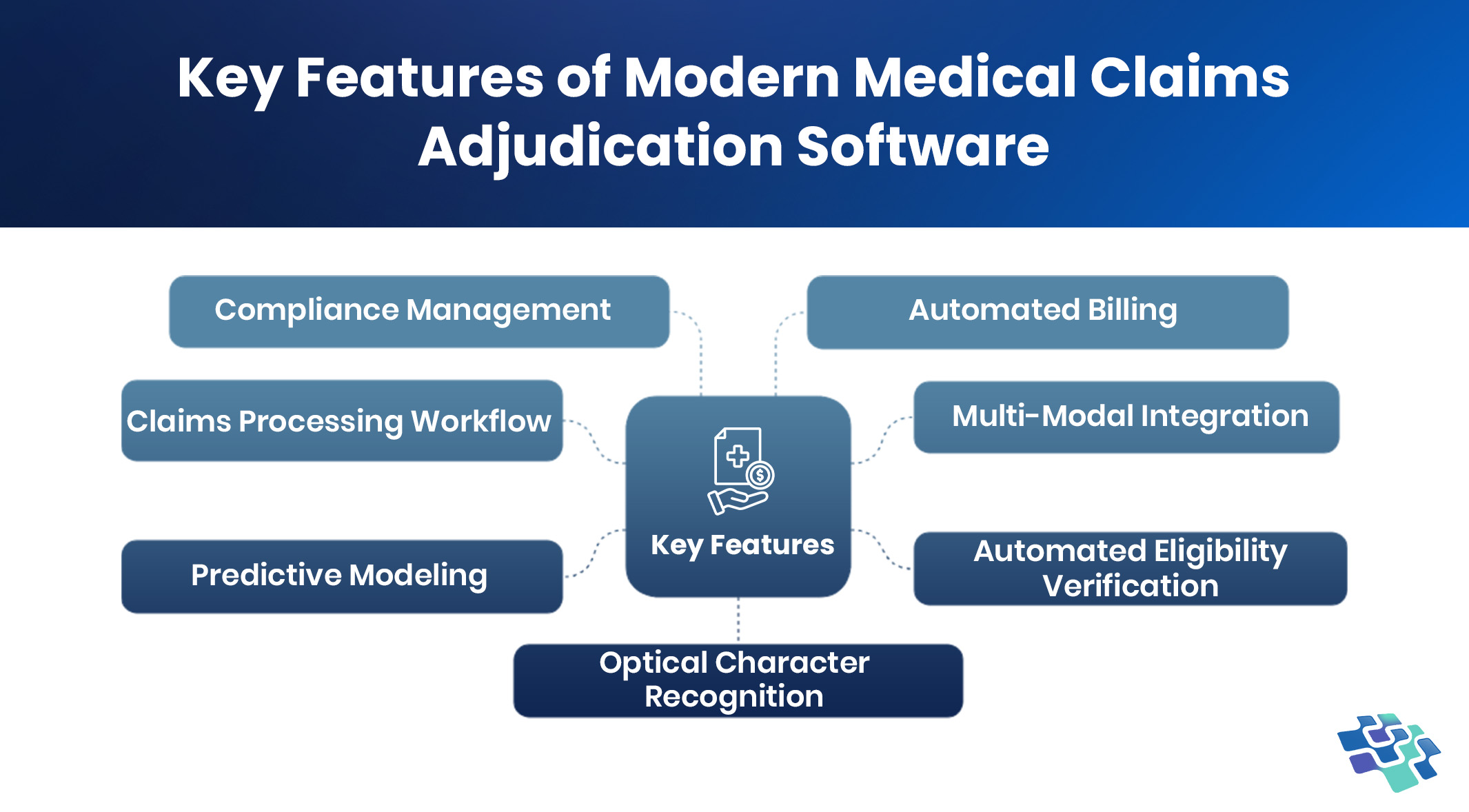
How Augmented Healthcare Claims Adjudication Software Solves the Hidden Crisis in Billing
Use of augmented healthcare claims adjudication software and a review of the claims adjudication workflow are therefore necessary for healthcare providers.
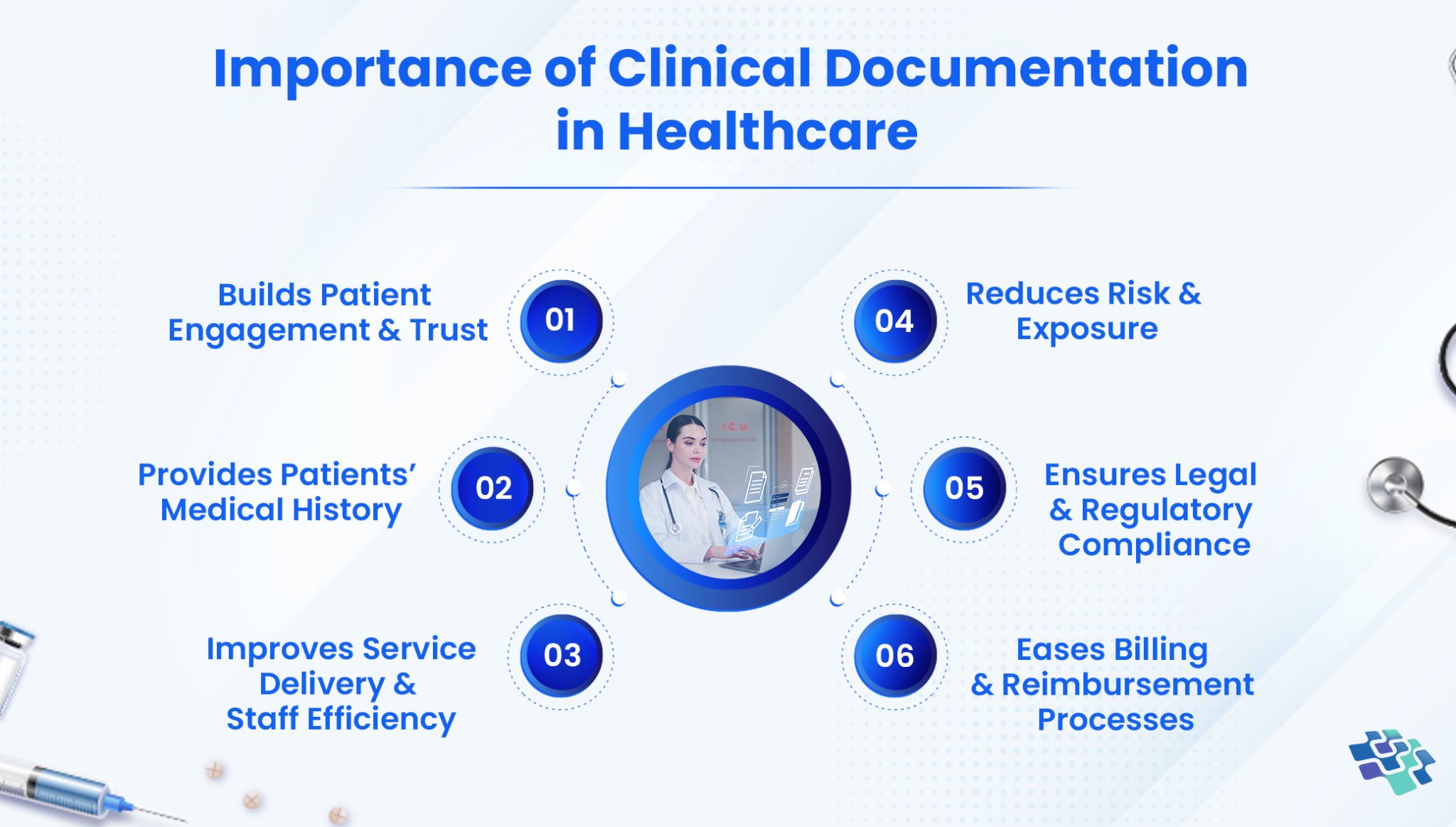
Importance of Clinical Documentation in Healthcare
Enhancing clinical documentation quality facilitates better planning, service delivery, quality measures, and financial allocation, all of which contribute to better patient outcomes.
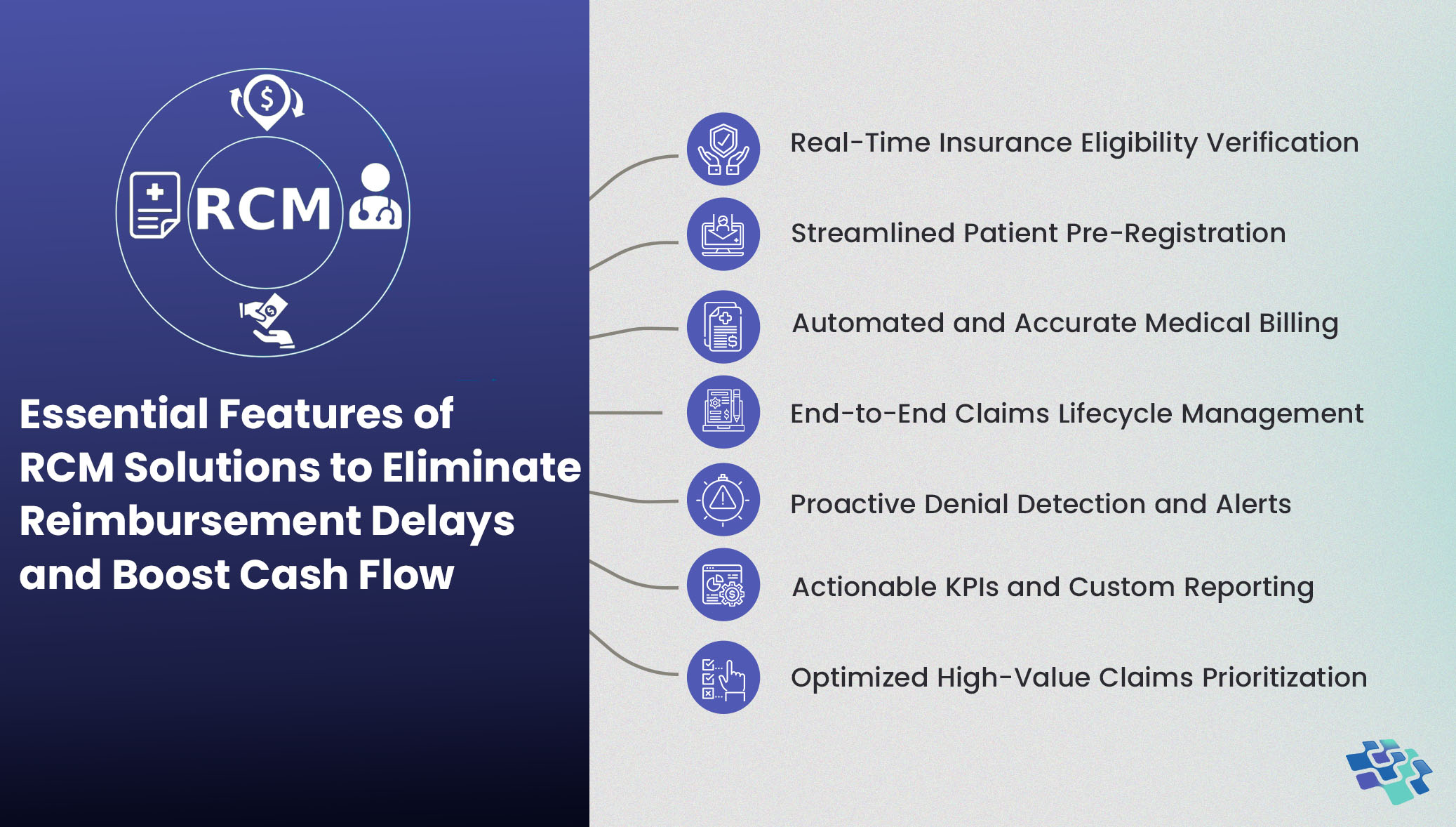
Introducing Provider Revenue Cycle Management – Must-Have RCM Features for Maximum ROI
Healthcare journals also feature accounts of companies that made significant investments in RCM healthcare services and other technologies.
Stay In the Know
Get Latest updates and industry insights every month.