Physical AI Use Cases: Real-World Applications, Examples, and Benefits Transforming Modern Industries


From autonomous robots and smart machines to AI-powered automation across industries, we examine how physical artificial intelligence is transforming different industries. Let’s dive in and explore the growing impact of Physical AI.
Turn Inefficient Workflows into Scalable Operations with Automation Designed for Speed, Accuracy, And Consistency

“Physical AI extends current generative AI with an understanding of spatial relationships and the physical behavior of the 3D world we all live in. It takes multimodal inputs such as images, videos, text, speech, or real-world sensor data and converts them into insights or actions that an autonomous machine can execute.”– Nvidia
What is Physical AI? Covering Everything from Scratch
Physical AI is an intelligence that uses machines, robotics, and edge systems to directly control real-world operations by seeing the physical world. Physical AI systems function in closed loops, in contrast to digital AI systems that process data and provide outputs to humans or software.
What sets Physical AI apart from other types of artificial intelligence is its closed-loop operation. The AI is operational rather than advising. It carries out actions rather than suggesting them.
Physical Artificial Intelligence Value Distribution & Adoption
The automobile industry will lead the way in adopting Physical AI, with a market share of about €171 billion out of a total of €430 billion by 2030. The industrial automation and warehousing sectors will follow with a market share of €69 billion. Two main regions of value concentration along the technological stack:
- Foundational Models: Large portions of software value are captured by multimodal AI “brains” that independently see, plan, and act.
- Simulation Platforms & World Models: Reduce expenses and risk by enabling virtual training and testing before deployment.
How Physical AI Works? The Clear Roadmap
Acting in the real environment in response to an external signal is the next logical step toward physical AI. The most common use case nowadays is advanced driving systems. Think about them in relation to the five fundamental stages of physical AI.
- Perceive: Understand the environment using cameras, sensors, and signals.
- Decide: Make context-aware decisions based on goals and constraints.
- Act: Control robots, machines, and physical processes.
- Govern: Ensure safety, compliance, and operational oversight.
- Learn: Continuously improve outcomes and feedback.
In energy sectors, physical AI can integrate meteorological data, pipeline pressure metrics, and other essential information in real time, offering operators contextual insights and predictive notifications regarding susceptible system elements. Physical AI has the potential to revolutionize sectors such as manufacturing and healthcare, as well as any domain necessitating physical interaction. Integrating trustworthy AI into these applications allows machines to make better-informed decisions, hence improving efficiency and safety.
Traditional AI vs Physical AI
Artificial intelligence has been employed for a while to rapidly examine large datasets. Its applications in theoretical research include facilitating advancements in technology, science, biomedical research, and academic inquiry through the swift identification, organization, and analysis of extensive data into a more manageable subset. Theoretical applications of AI in the digital age, aimed at elucidating and addressing inquiries regarding the universe, worldwide, or medical and scientific study, represent the most comprehensible uses of AI for most individuals.
There has been a recent increase in the utilization of AI for practical applications, particularly in robotics. While digital AI emphasizes theoretical applications, physical AI utilizes machine learning and AI to instruct a robot in doing activities that have traditionally been too intricate for machines to accomplish. This AI application utilizes machine learning and reinforcement learning to enhance the robot’s capacity to perform intricate tasks, rather than depending on elaborate foundation models and code.
For artificial intelligence to operate effectively, it requires real data. Traditional AI depends on reactive, rule-based programming that defines fixed rules and anticipated responses at each stage of a task. Any variation from the established parameters necessitates human intervention to modify or amend the rules, ensuring the robot’s continued operation.
Top Four Benefits of Physical AI
Similar to other forms of cutting-edge technology, physical AI has many benefits when introduced and tested. These developments enable us to carry out several aspects of daily tasks with even more creativity and efficiency.
- The Ability to Adapt: Even when their surroundings change, AI-enabled robots can adjust to them. It can learn to switch gears like a human because it has built-in cameras and sensors that let it receive and store information.
- Enhanced Efficiency: Physical AI will facilitate the automation of an increased number of tasks, particularly in manufacturing and logistics. These robots can acquire a range of more intricate tasks more rapidly than any conventional robotic unit could.
- Intelligent Data Analysis: Systems can transition from reactive responses to predictive problem-solving by including generative physical AI capabilities. These systems produce strategic recommendations after analyzing operational patterns. AI technologies that detect disruptions before they affect operations have improved supply chain management.
- Quality Assurance & Precision: In many different applications, artificial intelligence on robotics has set new standards for accuracy. Human hand tremors are eliminated, and treatments requiring microscopic accuracy are made possible by surgical robotics. RPA has revolutionized quality control procedures by identifying mistakes that human inspectors cannot see. These devices are used by electronics manufacturers to detect surface defects and incorrect component positioning.
The Ultimate Physical AI Use Cases
The landscape of Physical AI use cases has evolved rapidly in recent years. Fortune 500 companies are moving beyond experimentation, deploying these systems at scale to drive measurable outcomes. From automation to intelligent robotics, Physical AI is transforming operations, improving efficiency, and delivering significant business impact.
1. Fleet Management for Cash-In-Transit
AI models can enhance logistics for armored vehicles by utilizing real-time sensor data (GPS, vehicle telemetry, traffic) to select not only the fastest route but also the safest and most fuel-efficient route through predictive modeling of physical conditions. This is among the crucial Physical AI use cases that integrate locational data with artificial intelligence to perform physical action (fleet management) in real time.
2. Automated Verification
Among emerging Physical AI use cases, customer onboarding in physical locations is becoming faster and more secure. By combining cameras, computer vision, and facial recognition, these systems enable real-time KYC verification and seamless login at physical terminals. This integration of digital identity checks with physical interactions enhances accuracy, reduces fraud risks, and improves the overall customer experience.
3. Real-Time Compliance Monitoring
Physical AI empowers systems to utilize computer vision and spatial intelligence (LiDAR) for monitoring physical access, tracking staff mobility, and identifying anomalies in restricted zones. They can ensure that only authorized individuals manage sensitive gear or enter protected areas, establishing a continuous, highly watchful compliance framework that is beyond mere badge swipes. In areas of insurance and lending, Physical AI can be incorporated with drones or mobile devices utilizing 3D reality capture technology to provide swift, high-precision evaluations of physical collateral for claims processing or valuation purposes.
4. Cybersecurity at the Edge
Physical AI systems at branch locations can surveil the surrounding environment of high-value physical assets (e.g., ATMs, network equipment) to identify physical tampering, unauthorized device communications, or anomalous behavior patterns in the vicinity of the asset (Edge computing), thereby enhancing security alongside network-based monitoring.
Fix Production Delays & Quality Issues Using Precision-Driven Systems That Ensure Consistent Output Every Time
How Physical AI Use Cases Power Innovation Across Different Industries
Physical AI use cases drive innovation across industries by enabling intelligent automation, real-time decision-making, and seamless human-machine collaboration. From healthcare and manufacturing to logistics and agriculture, these technologies enhance efficiency, improve accuracy, reduce costs, and unlock new possibilities for scalable, data-driven operations.
 1. Robotic Surgery & Patient Monitoring in Healthcare
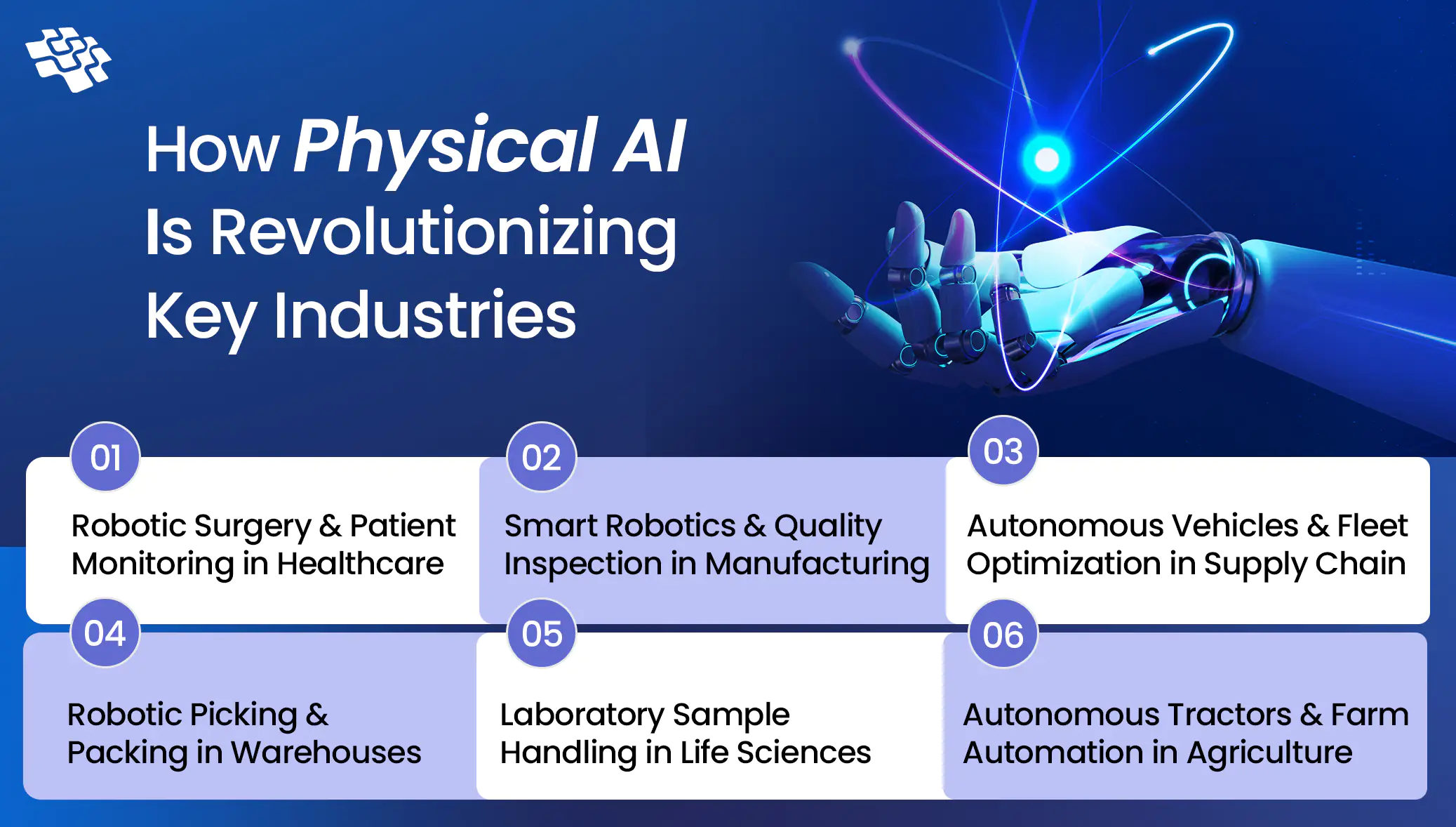 1. Robotic Surgery & Patient Monitoring in Healthcare
Physical AI is revolutionizing precision, minimizing errors, and enhancing accessibility to medical services.
- Rehabilitation & Assistive Devices: AI-driven prosthetics and exoskeletons offer personalized rehabilitation and mobility assistance by adjusting to the user’s movements and surroundings.
- Telepresence Robots: Physical AI enables robots to assist clinicians in remotely assessing patients, particularly in underserved or isolated areas, thereby improving access and reducing exposure risks.
- Robotic Surgery: Artificial intelligence and precision actuators facilitate complex surgical procedures. Real-time feedback is assessed for micro-scale movements that surpass human performance.
- Patient Monitoring: Wearable devices and intelligent beds equipped with physical AI monitor vital signs, movement, and environmental conditions to promptly alert medical personnel of anomalies.
2. Smart Robotics & Quality Inspection in Manufacturing
Production lines are automated, modified, and managed by Physical AI:
- Predictive Maintenance: AI systems save wait times and costs by using sensors to forecast industrial failures.
- Smart Robotics: Touch and vision sensors allow for accurate painting, welding, and assembly. These systems can respond to material or product design changes quickly because of AI.
- Quality Inspection: Physical AI systems are quicker and more accurate than humans at visually inspecting objects for defects.
- Human-Robot Collaboration: Cobots (collaborative robots) help humans do their jobs safely and efficiently.
3. Autonomous Vehicles & Fleet Optimization in Supply Chain
Physical AI contributes to the development of more intelligent, autonomous, and safe mobility solutions:
- Fleet Management: AI-driven logistics systems save time and money by optimizing routes according to fuel, traffic, and delivery schedules.
- Public Transportation: By forecasting maintenance, passenger safety, and route optimization, physical AI enhances dependability and user experience in smart buses and trains.
- Automobiles: Autonomous vehicles use physical AI to avoid obstacles and follow traffic laws through cameras, radar, lidar, and inertial sensors. Weather changes and sudden pedestrian movements are both made possible by real-time decision-making.
- Drones and Delivery Bots: Biological AI enables aerial and terrestrial autonomous delivery systems to traverse urban and rural landscapes efficiently and securely.
4. Robotic Picking & Packing in Warehouses
Warehouses prioritize rapid order processing and mobility. E-commerce behemoths such as Amazon are required to dispatch millions of parcels every day, and Physical AI is revolutionizing these processes by facilitating intelligent warehouse systems that function continuously.
- Faster Picking & Packing: Robots can seize objects continuously without strain.
- Scalable Operations: Deal with busy times like holidays without adding more staff or taking days off.
- Fewer Errors: AI vision consistently identifies the correct products.
- Safer for Workers: It’s safer for people because robots do heavy work.
As of 2025, Amazon, which has more than a million robots in its warehouses, is the leader in this area. Their systems, like Proteus (which are mobile robots that work alone in warehouses) and Sparrow (which are robotic arms), use AI to move, pick up things, and find their way around rooms and people.
5. Laboratory Sample Handling in Life Sciences
In science laboratories, tests are done to find new medicines, materials, or energy sources that can help fight diseases. While doing this manually can take years, it can also be more dangerous in some situations. Physical AI automates tasks that are done repeatedly, so experts can work on big ideas.
- Accelerated Discovery: AI-driven insights enable faster, data-informed decisions.
- Higher Throughput: Robots run experiments continuously without interruptions.
- Improved Accuracy: Precise measurements significantly reduce human error.
- Enhanced Safety: Robots safely handle hazardous chemicals and materials.
6. Autonomous Tractors & Farm Automation in Agriculture
In agriculture, AI-powered machines plant, water, and harvest crops while also checking the health of the soil. Computer vision helps robots find and get rid of weeds without chemicals.
Self-driving tractors use computer vision and other sensor data to avoid obstacles and do farm chores, such as mowing and spraying. These tractors can work without a person in the cab because of sensors, GPS, and artificial intelligence.
Manage Growing Operational Complexity by Implementing Smart Systems That Simplify Processes & Improve Efficiency
Future Trends in Physical AI & Autonomous Systems For 2026
Physical AI systems are going to grow very quickly over the decade that follows. The future of smart tools is being shaped by new trends.
- Digital Twin Simulations: Digital twins are virtual representations of actual settings, machinery, or complete manufacturing facilities. These simulations enable AI systems to train and evaluate many situations securely prior to deployment, mitigating risks and expediting development.
- Smarter Autonomous Systems: Progress in multimodal AI allows machines to integrate visual, linguistic, and sensory information to enhance their comprehension of the environment. This enables autonomous systems to execute more intricate tasks, adjust to changing circumstances, and render more astute conclusions.
- Edge AI Systems: AI models are progressively operating directly on robots, drones, and autonomous equipment rather than solely depending on cloud infrastructure. Edge AI facilitates expedited decision-making, reduced latency, and enhanced reliability in real-time contexts.
- Generative AI for Robotics: Generative AI models are progressively utilized to educate robotics and autonomous systems. These models can replicate intricate ecosystems, produce synthetic training scenarios, and facilitate accelerated machine learning of new tasks without needing considerable real-world data acquisition.
Physical AI Examples from Companies
Physical AI is already operating in the real world across multiple domains. Autonomous vehicle systems like Tesla use advanced AI models to interpret sensor data and control driving decisions in real time. In robotics, innovations range from humanoid systems like Tesla Optimus to warehouse automation such as the Amazon Vulcan robot, which can identify, sort, and move packages efficiently. In healthcare, surgical platforms like the da Vinci Surgical System assist doctors with highly precise, minimally invasive procedures.
Despite these advances, most systems remain specialized, excelling in specific tasks but struggling to adapt to unpredictable, real-world scenarios.
Wrapping Up
Physical AI has reached a pivotal stage, with emerging use cases driven by breakthroughs such as bio-integrated robotics, emotion-aware systems, and autonomous machines operating in extreme environments, including deep-sea exploration and space missions. Innovations in self-healing materials, swarm robotics, and edge AI are accelerating this shift, enabling faster, adaptive, and resilient systems.
Today, organizations are actively deploying Physical AI use cases to gain a competitive edge. With proven applications and mature infrastructure, early adopters are transforming operations, improving efficiency, and unlocking new possibilities. As an artificial intelligence development services company, NextGen Invent enables businesses to integrate these advancements into scalable, future-ready systems.
The transformation is already underway. The key question is whether organizations will lead by adopting Physical AI or fall behind in an increasingly intelligent and automated world.
Frequently Asked Questions About Physical AI Use Cases

“Physical AI use cases represent a defining shift where intelligence moves beyond software into the physical world, enabling machines to perceive, decide, and act. Organizations embracing this transformation today will unlock unprecedented efficiency, innovation, and competitive advantage across industries.”
Ruchi Garg

Chief Digital Officer
Related Blogs
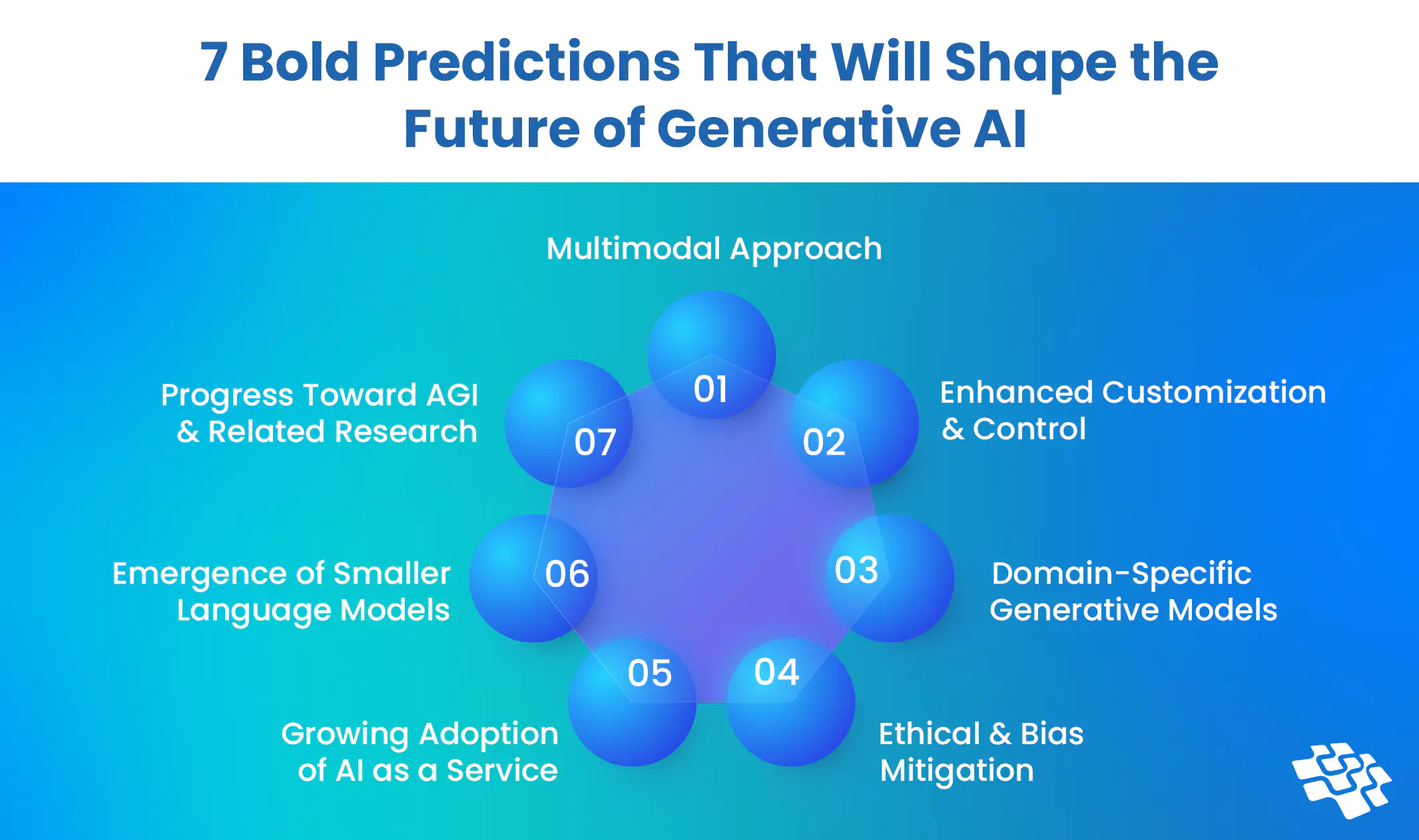
Future of Generative AI: Promises with Continued Research and Development
According to data, the future of generative AI market is projected to reach a size of around $241 billion by 2033, up from $5 billion in 2023, at a CAGR of 47.3% in the US alone.

Generative AI in Due Diligence: Why Traditional Processes Fail & How to Fix Them
Generative AI in due diligence is emerging as a direct response to this inefficiency. Too often, critical risks, such as hidden liability clauses, surface late in the process, forcing...
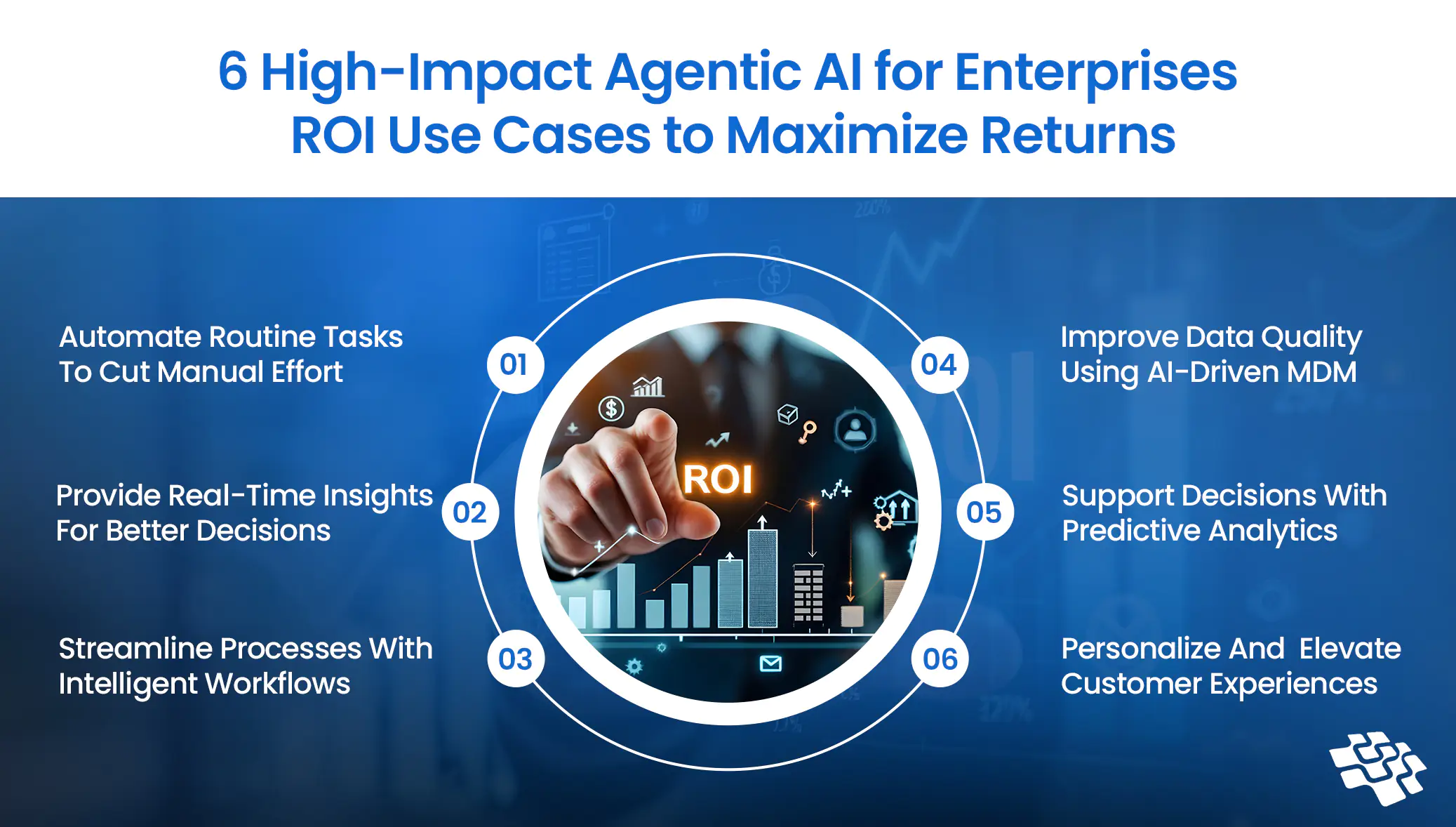
The CEO Playbook: Transformative Agentic AI for Enterprise ROI Use Cases Driving Success
According to a recent McKinsey survey, 42% of businesses using AI report a decrease in operational expenditure. Even more compelling, 59% of those companies confirm measurable revenue growth.
Stay In the Know
Get Latest updates and industry insights every month.