Databricks Benefits: Building the Foundation for Next-Gen Business Intelligence


Today, every organization is producing data, but the real question is whether it is being leveraged to drive better decisions. Can your current data foundation handle challenges such as data diversity, scalability, governance, availability, and cost optimization? Partnering with an artificial intelligence development services company and embracing Data + AI capabilities can position businesses to outperform competitors and succeed across industries in an increasingly data-driven world.

Fix Scalability & Cost Challenges by Unifying Analytics, AI, And Governance on Databricks Platform

“More than 20,000 organizations worldwide use Databricks’ Data Intelligence Platform, including household brands such as Shell, AT&T, Toyota, Adobe, and many Fortune 500 companies. Over 700 customers each generate more than $1 million in annual revenue for Databricks, indicating deep enterprise penetration and value delivery.”– Databricks
How Databricks Powers Modern Data, Analytics, and AI
To handle data from planned batches or real-time streams, many organizations now employ a complex combination of data lakes and data warehouses with parallel data pipelines. Since Databricks contains everything data practitioners require in one place—a Lakehouse architecture—it renders this method redundant.
Common use cases of Databricks include:
- Processing both batch workloads and real-time data streams
- Running large-scale data processing and computations
How Does Databricks Benefits Companies Turning Data into Business Value
Databricks enhances business value generation by integrating essential functions, data engineering, data science, machine learning, and analytics, onto a unified, scalable platform. This interface breaks down silos and streamlines data workflows, allowing firms to effectively convert raw data into meaningful insights.
Real-time team collaboration enables the creation of predictive models and intelligent apps that automate intricate procedures, customize client interactions, and launch innovative, data-driven solutions more quickly than in the past.
Databricks assists companies in delivering quantifiable improvements throughout operations, resulting in sustained revenue growth, by revealing hidden patterns within transaction data and sensitive data.
How Databricks Benefits End-to-End AI & ML Workflows
From development and training to deployment and monitoring, Databricks provides a comprehensive set of integrated tools and collaborative notebooks designed to support the entire life cycle of AI and machine learning models. Teams can effectively train complex algorithms on big datasets, including transaction and sensitive data, because of its scalable compute environment without sacrificing performance.
Rapid iteration and experimentation are encouraged by the platform’s smooth interface with well-known ML frameworks. This simplified method enables companies to integrate AI and machine learning capabilities deeply into operations and products, automating decision-making and providing smart, flexible solutions, all on a single, cohesive platform.
How Databricks Benefits Organizations by Unifying Data Lakes and Data Warehouses
Businesses can gather all kinds of data under one cohesive system with Databricks, a potent analytics platform. Databricks facilitates quick data processing like a conventional data warehouse, even though it offers cost-effective cloud storage.
Here are the key benefits of this collaborative approach:
- Cost-efficient storage management
- High-performance analytics and querying
- Built-in governance, security, and access controls
Larger and more complicated data can be easily managed by your organization because of Databricks’ ability to meet modern data engineering standards.
Comparison with Alternatives
Let us examine the closest alternatives to Databricks.
1. Azure Synapse vs Databricks
Azure Synapse integrates enterprise data warehousing, big data processing via Apache Spark, and tools for business intelligence and machine learning. Like Databricks, it is a comprehensive analytics solution; however, it does not offer cross-cloud portability. It also lacks a collaborative environment, versioning capabilities, and has a limited scope.
Conversely, Azure Synapse is more straightforward, easier to configure, and less laden with features. It is optimal for organizations concentrating on conventional data analysis using SQL.
2. Snowflake vs Databricks
Both Databricks and Snowflake are autoscaling, cloud-neutral data platforms that combine the advantages of a data lake and a data warehouse. Platform-as-a-service (PaaS) Databricks caters to data scientists and engineers, whereas software-as-a-service (SaaS) Snowflake is made for data analysts and warehouses.
It should come as no surprise that Snowflake is the industry leader in business intelligence, while Databricks excels in data engineering and machine learning. Some big businesses utilize both: Snowflake for BI and conventional analytics, and Databricks for ML workloads.
Transformational Use Cases Built on Databricks
The subsequent use cases illustrate multiple ways in which clients utilize Databricks to execute tasks vital for processing, storing, and analyzing data that underpins crucial business functions and decisions.
1. Data Warehousing, Analytics, and BI
Databricks brings together intuitive user interfaces, cost-efficient compute, and highly scalable, low-cost storage to deliver a powerful platform. Administrators can configure elastic compute clusters as SQL warehouses, enabling end users to run queries without managing cloud infrastructure or underlying complexity. SQL users can query data directly from the Lakehouse using the SQL editor or notebooks. Databricks notebooks support SQL, Python, R, and Scala, allowing teams to combine analytics, data engineering, and data science workflows in one place.
2. DevOps, CI/CD, and Task Orchestration
ETL pipelines, machine learning models, and analytics dashboards each follow distinct development lifecycles, often creating complexity and operational silos. Databricks address this by enabling all users to work from a single, trusted data source, and reducing duplicate efforts. In addition, Databricks provides a unified set of tools for version control, automation, scheduling, and deployment, helping teams streamline monitoring, orchestration, and day-to-day operations. Databricks Jobs enable the scheduling of notebooks, SQL queries, and custom code, while Databricks Asset Bundles support programmatic definition, deployment, and execution of jobs and pipelines.
3. Data Governance & Secure Data Sharing
Unity Catalog delivers a unified and centralized data governance framework for the Lakehouse. Cloud administrators configure and integrate high-level access controls, after which Databricks administrators can manage granular permissions for teams and individual users. Access privileges are enforced through access control lists (ACLs), which can be configured using either intuitive user interfaces or SQL syntax, allowing database administrators to secure data access without needing to manage complex cloud-native IAM or networking configurations. By simplifying governance, Unity Catalog makes secure analytics in the cloud easier to operate and establishes a clear division of responsibilities, minimizing the need for extensive reskilling or upskilling for both administrators and end users.
Overcome Legacy BI Limitations & Accelerate Decision-Making Using Databricks for Real-Time Intelligence
How Databricks Powers Next-Generation Business Intelligence: Top 6 Databricks Benefits
The single platform messaging of Microsoft Azure Databricks, which supports a variety of data and analytics use cases, is winning people over. Databricks benefits organizations to do more with data and uncover value because of its special features that connect data, developers, and infrastructure together in one location. When choosing a platform, you should consider several factors, including cost, scalability, flexibility, connectivity with other business systems, ease of use, and features that provide value to your organization.
 1. Faster Time-to-Insights with Accelerated ETL
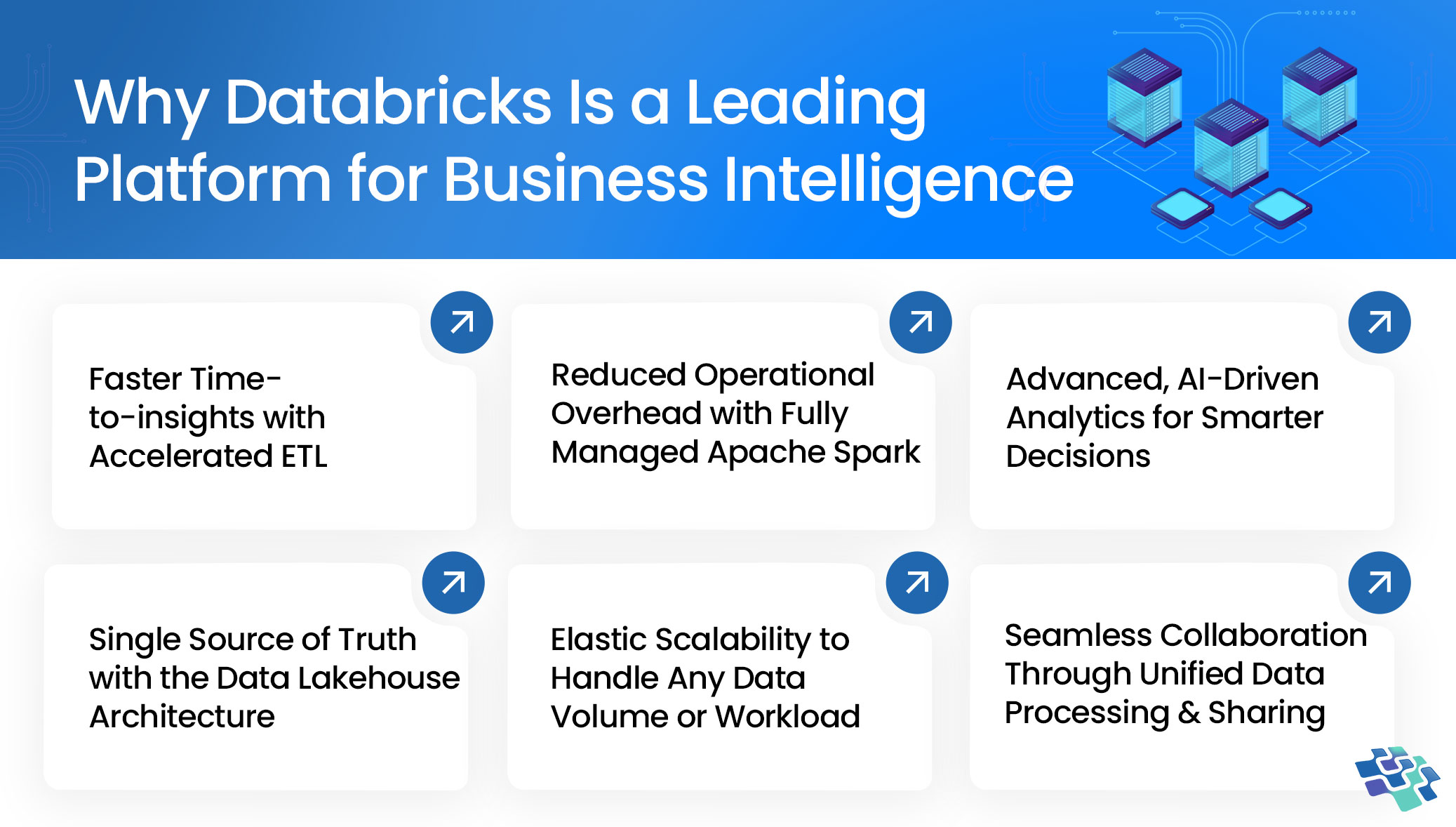 1. Faster Time-to-Insights with Accelerated ETL
Make your data accessible to everyone across the organization and empower teams to query it directly through an intuitive, easy-to-use interface, without relying on complex ETL/ELT pipelines or traditional data warehouse and data lake processes. This virtual analytics platform democratizes data access by decoupling storage from compute and enabling unlimited scalability, improving agility while optimizing costs.
With Databricks, teams can instantly scale compute resources on demand, ensuring they always have the capacity needed to analyze data efficiently, even during short-term workload spikes.
2. Reduced Operational Overhead with Fully Managed Apache Spark
Empower your teams to deliver highly available and performance-optimized Spark clusters in a self-service manner, enabling all users to develop and deploy complex analytics apps without requiring DevOps experience. Databricks ensures your team consistently accesses the most recent Spark capabilities, enabling you to utilize the latest innovations from the open-source community while concentrating on your primary objectives rather than infrastructure management.
Databricks benefits by providing monitoring and recovery systems that autonomously restore clusters after faults without manual intervention. It ensures your infrastructure is both rapid and safe without necessitating any special modifications in Spark.
3. Advanced, AI-Driven Analytics for Smarter Decisions
Databricks Machine Learning provides a comprehensive platform for the development, training, management, and deployment of production-grade machine learning workflows. Users can now concentrate on the data while Databricks manages the operational complexities through fully managed infrastructure.
In addition to the optimized Spark engine, Databricks benefits several features such as an integrated workspace, various runtime types, workflows, security measures, and integrations. Databricks is now offered as a native solution for Azure and AWS, facilitating integration into cloud pipelines and machine learning applications.
4. Single Source of Truth with the Data Lakehouse Architecture
In a conventional data architecture, all enterprise data (SQL, semi-SQL, or NoSQL) initially resides in a data lake. Structured or semi-structured data is subsequently transferred to a data warehouse, which serves as an OLAP platform; however, not all data is incorporated into the data warehouse. Data Analysts and Data Scientists typically engage with processed data, which creates a bottleneck due to their need for Data Engineers for further data.
Databricks has launched Lakehouse, integrating the functionalities of both Data Lake and Data Warehouse. The Lakehouse integrates the flexibility, scalability, and cost-effectiveness of a Data Lake with the data management functionalities of a Data Warehouse.
5. Elastic Scalability to Handle Any Data Volume or Workload
Apache Spark, a distributed computing engine created to handle enormous datasets in parallel across clusters, is the foundation of Databricks. Databricks automatically scales to meet demand without sacrificing speed, regardless of the size of the data being analyzed, gigabytes or petabytes.
- Elastic scalability: Seamlessly scale resources up or down to match workload demands.
- Cloud-native architecture: Optimized to run efficiently on AWS, Azure, and Google Cloud.
Whether there is an increase in real-time web traffic, an increase in IoT data, or an expansion into international operations, this design ensures that your BI processes can maintain speed with business growth.
6. Seamless Collaboration Through Unified Data Processing & Sharing
Databricks benefits the process of connecting to many kinds of data sources. Databricks can seamlessly interface with any data service, including databases, cloud storage, and other data storage options. This implies that you can centralize all your data. It is simpler to process and evaluate because of its efficiency.
The collaborative environment offered by Databricks allows analysts, engineers, and data scientists to collaborate. Collaboration notebooks allow multiple people to work on the same project without any problems. This facilitates information exchange and problem-solving collaboration.
Resolve Data Fragmentation & Performance Bottlenecks with a Scalable, AI-Driven Databricks Foundation
Managing the Data Science Lifecycle in Databricks
There are numerous benefits to integrating Databricks with your current data ecosystem. You can see how it can seamlessly integrate your data below:
- Connecting to Cloud Services: Integration with other tools and services is made simple by Databricks’ effective APIs. You can manage resources, automate activities, and engage with Databricks programmatically with the Databricks API. This facilitates the management of your data processing duties and streamlines your workflow.
- Unified Data Processing: Managing all your data processing operations in one location is made possible by Databricks’ unified platform. All components are combined into one platform, whether using Spark for big data processing or Databricks SQL for data querying. This facilitates data management and streamlines your data activities.
- Advanced Analytics and Information: You may utilize advanced analytics and machine learning capabilities by integrating Databricks with your data environment. This enables you to extract more useful information from your data and make smarter choices. Databricks has all the tools you need, whether you’re creating predictive models or carrying out intricate data analysis.
Transforming Industries with Databricks-Driven Analytics & AI
- Life Sciences Research & Development: Large-scale genomic or clinical trial data can be processed by scientists and analysts using Databricks to find patterns and model results using AI-driven techniques.
- Pharmaceutical Manufacturing: By combining data from lab systems, MES platforms, and IoT sensors, Databricks makes predictive maintenance, process optimization, and batch analysis possible.
- Supply Chain Optimization: Databricks supports lean manufacturing processes by monitoring production rates, material availability, and logistics with real-time analytics.
Conclusion
Databricks delivers a unified analytics platform that brings data engineering, data science, and business intelligence together, breaking down silos and accelerating collaboration across teams. With its scalability, performance optimizations, and advanced analytics capabilities, organizations can turn raw data into actionable insights faster, reduce uncertainty, and move seamlessly from experimentation to production. Built-in governance, security, and cost controls further ensure the platform aligns with the demands of modern, enterprise-scale data environments.
This is where NextGen Invent, an enterprise AI software development company, plays a critical role. NextGen Invent helps organizations plan and execute Databricks data migrations with precision, modernizing data architectures, optimizing ETL pipelines, and enabling AI- and ML-driven analytics tailored to business outcomes. From strategy and migration to custom AI solutions and ongoing optimization, NextGen Invent ensures Databricks delivers measurable value, not just technical upgrades.
By embracing Databricks with the right implementation partner, businesses can accelerate innovation, make smarter decisions, and unlock new growth opportunities, positioning themselves to thrive in an increasingly data-driven future.
Frequently Asked Questions About Databricks Benefits

“Databricks is redefining business intelligence by unifying data, analytics, and AI on a single platform, enabling organizations to move beyond static reporting, accelerate insights, and build a scalable foundation for intelligent, data-driven decision-making.”
Nitin Kumar

AVP, Data Science
Related Blogs
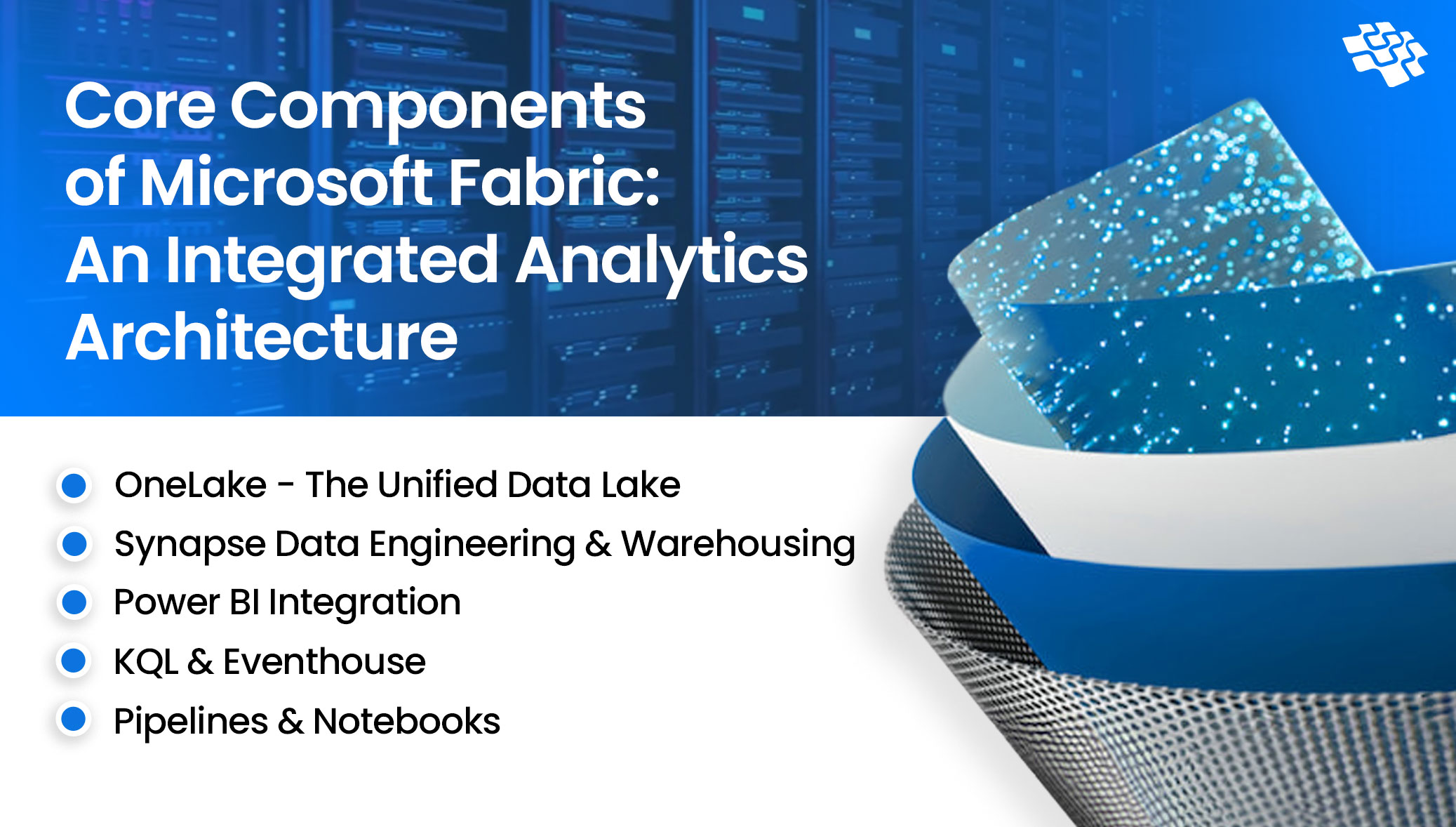
Data Warehouse in Microsoft Fabric: Powering the Next Generation of Unified Analytics
Microsoft Fabric addresses this need through a unified analytics platform that seamlessly integrates data engineering, data science, real-time analytics, data warehousing, and business intelligence into a single, cohesive experience.
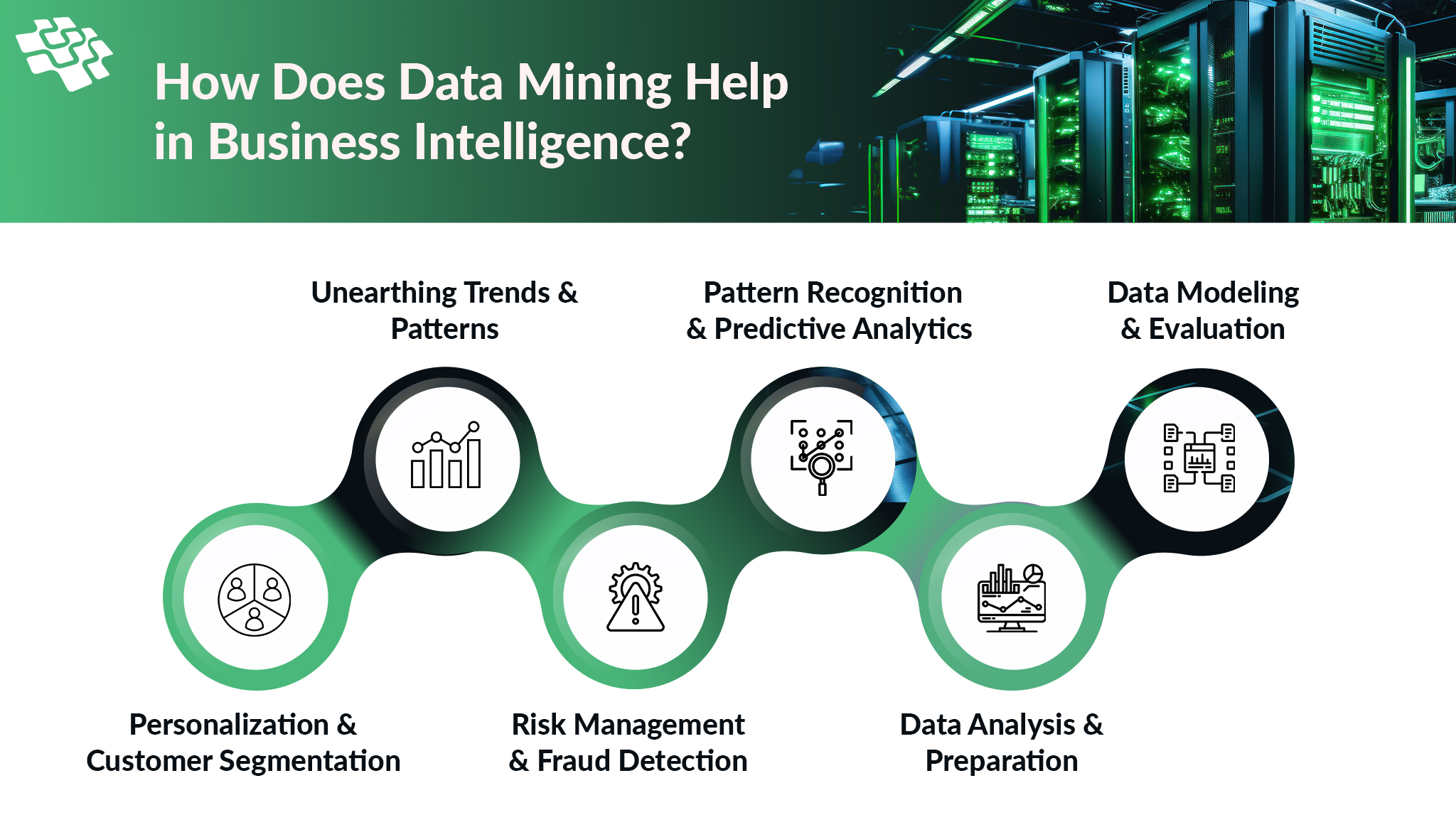
Data Mining for Business Intelligence: How Can It Help?
One of the most essential abilities for business success nowadays is the ability to derive significant insights from large amounts of data through data-driven initiatives. Fundamentally, data mining is more than just a trendy term in IT.
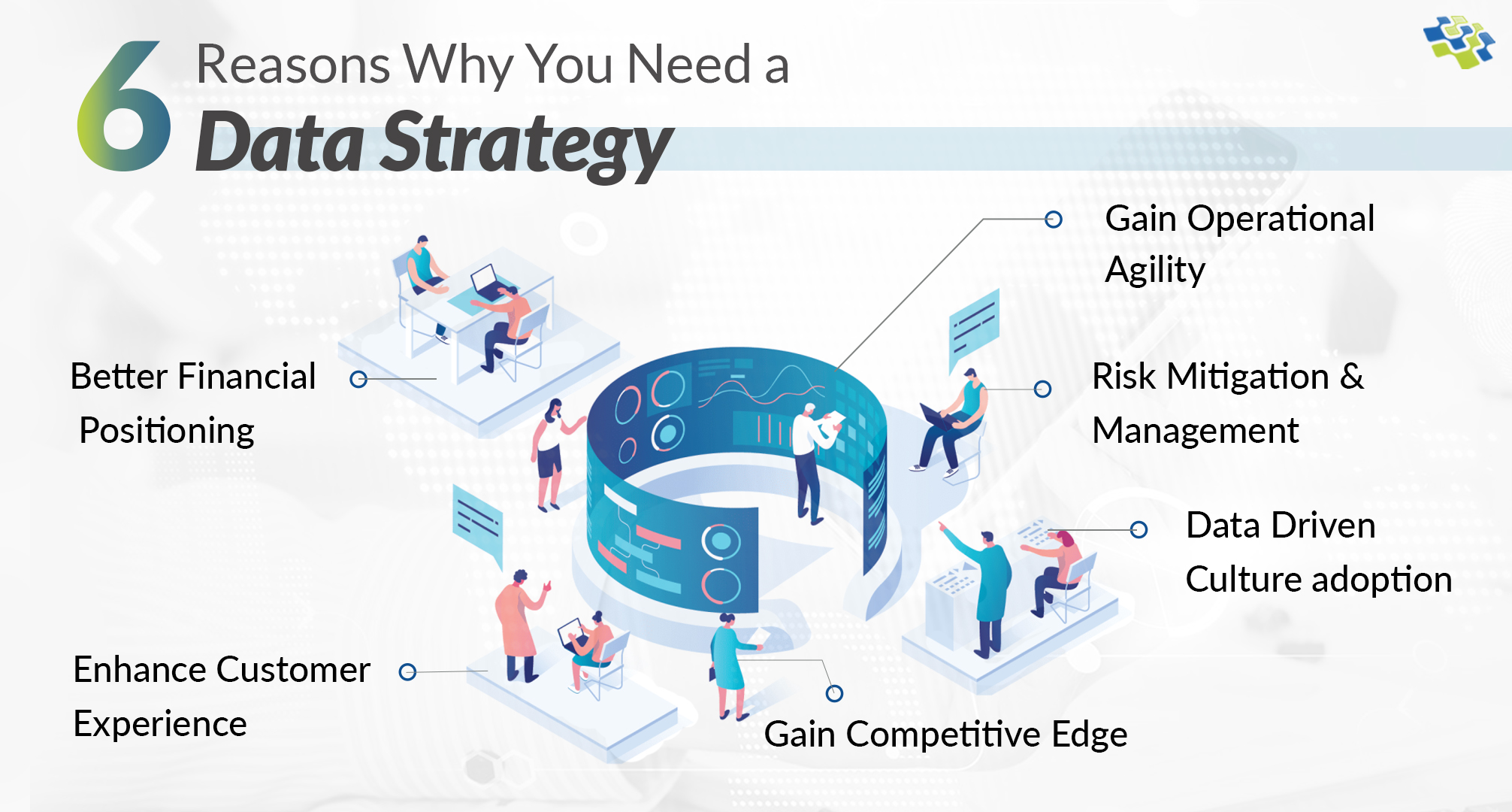
Why Businesses Need a Powerful Data Strategy? 6 Ultimate Reasons
According to McKinsey & Company, optimized data and analytics utilization can amplify profitability by up to 60%. To harness this potential, businesses must formulate a pragmatic data strategy.
Stay In the Know
Get Latest updates and industry insights every month.