AI for Population Health Management: Redefining Healthcare Outcomes Through Data-Driven Intelligence


Our healthcare analytics software development services help organizations make faster, more proactive decisions by turning complex data into clear, real-time insights and uncovering trends that support better planning and action. Let’s examine why healthcare executives need the new population health management software more than ever.

Identify Rising-Risk Patients Earlier & Accelerate Preventive Interventions with Predictive AI Across Your Healthcare Network

“While AI-based technologies can aid both patient-facing and non-patient-facing aspects of population health services, their impact will initially be evident in non-clinical functions. Functions such as scheduling appointments will be handled by AI agents, augmenting human care coordinators, and freeing humans to enter patient-facing, clinical roles. AI also shows promise for augmenting human teams to provide health coaching, answer patient questions, and enhance adherence.”– NCBI
How AI for Population Health Management Is Revolutionizing Healthcare Outcomes
Healthcare has been mostly reactive for too long, waiting for illness to hit before action. But what if we could anticipate who could become sick and assist before they require critical care? Equipped management with advanced analytics to identify and prioritize critical opportunities, improve decision-making, and focus on high-value initiatives. Because of artificial intelligence, we are seeing a significant change in the way healthcare functions.
- AI is now being applied in many ways to population health management, with the primary benefits being better patient outcomes, more equitable care delivery, and enhanced efficiency.
- Fundamentally, AI assists us in deciphering the enormous amount of health data by spotting trends and forecasting hazards that are impossible for humans to recognize on their own.
- The ability of AI to recognize and categorize patient populations for focused therapies is among its most notable benefits. This means that even when a person has not visited a doctor recently, it is still possible to identify individuals who may face a higher risk of negative health outcomes.
In well-funded institutions, for example, AI algorithms can more effectively identify at-risk patients and improve resource allocation. The objective is to improve primary care’s effectiveness, equity, and ability to meet the needs of all populations.
Why Traditional Population Health Management Analytics Falls Short
Despite technological advancements, decision-making is still constrained by past facts. This causes a delay in making decisions when quick action is required. The following are some typical issues with classical analytics in population health management:
- Time-Consuming Manual Reporting: You will have to make decisions based on out-of-date insights if your team continues to use antiquated data reporting techniques that demand a lot of human effort.
- Breaking Down Data Silos to Enable Faster, Smarter Decision-Making: A clear, up-to-date picture of the health of your people is essential for leaders in the healthcare industry. EHRs and claims systems, however, are trapping vital patient data. The outcome? Interventions are delayed, and there is ongoing difficulty coordinating clinical and financial priorities.
- Dependency on Data Analysts: Obtaining the data from the analytics team can take weeks or months if you want to determine which high-risk patients have not received preventive testing. This type of cycle slows down decision-making because it doesn’t provide you with timely information for controlling impending health concerns and allocating resources effectively.
The Strategic Imperative of Population Health Management
The main goal of population health management is to deliver better health outcomes across different patient groups while lowering the overall cost of care for each patient. When AI and multimodal data (EHRs, X-rays, and others) work together or securely share and combine data between various organizations and teams to achieve a holistic view of patients, this translates into real benefits for healthcare business leaders and enables organizations to deliver advanced analytics at scale. The benefits include:
- Improving Resource Allocation & Driving Greater Operational Efficiency: Organizations can maximize the use of personnel, facilities, and funds within the healthcare ecosystem by coordinating operational and financial activities according to priority needs.
- Optimized Risk Management: Healthcare companies can reduce ER visits and expensive hospital readmissions by proactively identifying high-risk patients and implementing focused interventions.
- Trend Forecasting: Organizations can obtain a real-time pulse on disease outbreaks, care gaps, or health inequities across populations because of the potent mix of AI-powered analytics, data cooperation, and AI population health management. This enables the development of new programs and the smart allocation of highly prioritized resources.
The key to the success of advanced analytics is striking a balance between the most recent population-level trends (e.g., vaccine uptake rates, community health inequalities) and patient-level insights (e.g., individualized risk scores, treatment adherence). Organizations run the risk of delivering subpar medical care or overlooking systemic issues that affect huge populations if they fail to integrate these enormous, fragmented data sets.
Leaders and physicians would miss the chance to enhance patient care and financial efficiency if they lacked AI for population health management to identify at-risk individuals accurately and swiftly or provide highly focused, cost-effective lifestyle modifications.
How AI in Population Health Management is Transforming and Streamlining the Processes
As AI keeps improving, the patient’s experience, and it solves several issues that would have been difficult and time-consuming for many organizations. For example, AI is helping hospitals overcome challenges by helping to detect high-risk patients, improve 30-day readmission rates, and manage disease risk.
AI also facilitates remote patient engagement, which allows patients to participate without physically visiting, for improved care coordination.
AI for population health management also facilitates virtual patient involvement for improved care coordination, allowing patients to participate without physically visiting.
While remote monitoring tools and data sharing are important starting points, the most effective population health management platforms go further by converting raw data into meaningful insights. This allows healthcare organizations to deliver more proactive, value-based care.
Check Our Case Study: Predictive Trends by Disease Using Real World Data
Emerging Opportunities & Core Benefits in Population Health Management
Understanding the issue, we are attempting to address and determine whether AI is the best solution, which is more important than determining whether we must use AI. It functions similarly to other technologies that we attempt to use in clinical contexts. AI must prioritize clinical process; if it doesn’t, our clinicians will view it as an additional burden and fight it. The following are typical benefits and opportunities to consider in community health management:
1. Improving Interventions & Identifying Care Plans
Population health management is a complex field, but it offers strong opportunities for automation when there is enough historical data about target patients.
By using machine learning, healthcare organizations can predict which interventions are most likely to succeed and identify the most effective order for completing tasks based on past positive outcomes.
2. Identifying Gaps in Social Determinants of Health
The urgency to close that gap is enormous. Progress notes, discharge summaries, and other nursing notes contain some data that would be extremely helpful in bridging that gap.
By using artificial intelligence to search for internal notes and find unstructured data, or by connecting to community-related data that provides additional context, AI can help find specific patterns about people and communities.
3. Patient Identification & Risk Stratification
Healthcare organizations use both direct methods and predictive analytics to identify high-risk patients. Most models rely on EMR data such as length of stay, chronic conditions, previous emergency department visits, and other clinical factors.
In recent years, advanced AI technologies have expanded this approach by adding community-based data, social determinants of health, and other public information. This broader view helps create a more complete picture of each patient and supports a new goal: identifying not only high-risk patients, but also those whose risk is beginning to rise.
4. Internal & External Referrals with Ability to Close the Loop
A key challenge in population health management is matching each patient with the right service. The best option must often be selected from several choices based on quality of care, response rates, and financial agreements.
Another important challenge is closing the loop after patients are referred outside the network. Many of these issues can be solved with simple algorithms, while others require AI or a combination of AI and other digital tools to improve decision-making and care coordination.
Strengthen Care Coordination Now Through AI-Driven Automation & Closed-Loop Patient Engagement Across Complex Healthcare Ecosystems
How AI for Population Health Management is Transforming Strategic Healthcare Outcomes
Below are five practical use cases that show how AI for population health management improves patient outcomes, identifies high-risk patients, strengthens care coordination, lowers costs, and helps healthcare organizations make faster and more informed decisions.
 1. Adherence Improvement through Personalization
 1. Adherence Improvement through Personalization
Non-adherence to medications is a frequent problem in healthcare that leads to less-than-ideal results and more use of healthcare services. AI for population health management can improve medication adherence by tailoring support to each patient and using data-driven insights to encourage the right actions at the right time. AI algorithms can create personalized reminders, educational tools, and interventions to help patients take their medications as prescribed by looking at patient data such as medication history, demographics, socioeconomic factors, and behavioral trends.
AI agents can provide real-time support by answering patient questions about medications, side effects, and recommended lifestyle changes. These interactive systems keep patients interested all the time and give them the tools they need to take charge of their health, which leads to better health outcomes and better medication adherence.
2. Strengthening Chronic Disease Management Through Smarter Care
Chronic diseases like diabetes, heart disease, and high blood pressure are extremely challenging for both patients and healthcare professionals. AI has many tools that can help health plans improve how they handle chronic diseases. For example, machine learning systems can look at a lot of data to find people who are at a high risk and may need help or proactive care management. By finding these people early on, health plans can use personalized care plans and treatments to stop diseases from worsening, reduce hospital stays, and improve patient outcomes.
Additionally, AI-powered predictive modeling can predict how a disease will grow, which helps health plans make the best use of their resources and plan for their members’ future healthcare needs. Eventually, this proactive method helps control diseases better and lowers healthcare costs by letting health plans act quickly on things like changing medications, making changes to a person’s lifestyle, or coordinating specialized care.
3. Improving Performance on HEDIS Quality Measures
The Healthcare Effectiveness Data and Information Set (HEDIS) measures are used by health plans to evaluate how effectively they deliver quality care. To help health plans meet these requirements, AI can automate the processes of collecting data, analyzing it, and reporting on it. AI can find care gaps, alert healthcare workers to documentation errors, and give them feedback in real time, so they can act quickly and fix the problem. Health plans can speed up the HEDIS reporting process by using AI-powered tools. This will ensure that submissions are correct and on time, which will eventually improve the quality of care their members receive.
Utilizing AI in population management within health plans has huge advantages for controlling chronic diseases, boosting medication adherence, and meeting HEDIS measures. Health plans can use AI-driven predictive modeling and automated data analysis to identify high-risk individuals and make better use of available resources. They can also create personalized care plans and improve medication adherence through targeted interventions.
4. Elevating System-to-System Sharing
AI has a lot of promise to help bring together information from different platforms, like EHRs, payer systems, and community services, in health care ecosystems that aren’t well-connected. AI can normalize and combine data from clinical, claims, and social services sources when used strategically. This can give a fuller picture of what patients need and, ideally, make it easier for health plans, clinicians, and social service groups to work together.
AI can help make care decisions faster, help people contact each other before they need to, and avoid duplicative or delayed actions when it brings together structured and unstructured data.
5. Delivering Strategic Value in Value-Based Care
AI also has a lot of potential to help value-based care methods work better. In places where businesses are at risk, finding issues early and taking action, along with ongoing management, are very important for success. Better risk assessment makes care delivery more efficient and reduces long-term costs.
AI for population health management can help providers get started right away with risk-based contracting and find high-risk patients faster so they can be stabilized sooner. This will help level out spikes in utilization and improve both clinical and financial performance.
Improve HEDIS Performance Faster Through Personalized Outreach & Predictive Population Analytics for Sustainable Healthcare Excellence
The Future of Population Health Management
Diabetes, asthma, high blood pressure, and obesity are just a few of the chronic diseases that cost a lot of money and make it harder for healthcare systems to work together and meet patients’ needs. By using healthcare resources more strategically, healthcare systems can improve patient experience and health outcomes by focusing on population health management.
By putting the right people, processes, and tools together, healthcare organizations can mine data to find effective strategies that are specific to groups of patients and long-term diseases. As primary healthcare systems change, they give hospital staff, patients, and their extended care teams easier access to the information they need to better follow care plans. This segmentation will lead to care management plans that are based on evidence. These positive outcomes will depend on good data more than anything else. To speed up their basic healthcare journeys, healthcare organizations will need to connect data points that were previously ignored or hard to get to EHR systems and then use AI to unlock the value of those data points.
- The Emergence of Digital Twins: Through customized modeling and simulations, the concept of digital twins, virtual replicas of specific patients or entire populations, holds promise for forecasting disease progression, simulating health outcomes, and enhancing treatment approaches.
- Integration of Wearable Devices: The widespread use of wearables and remote monitoring technologies enables opportunities to gather real-time health data, monitor patient behavior, and offer individualized feedback and therapies tailored to specific requirements.
- Shift Towards Precision Population Health: Precision medicine approaches, which use AI and genomic data to customize interventions based on individual genetic profiles, environmental factors, and lifestyle choices, are becoming increasingly prevalent in population health management.
- Next-Generation AI Algorithms: By enabling more precise forecasts, tailored interventions, and adaptive learning systems, developments in machine learning, deep learning, and reinforcement learning approaches have the potential to completely transform population health management.
Why a Data-Driven Approach Is Essential for Population Health Success
Executives looking to improve population health management outcomes should begin with a clear, practical strategy:
- Review current data infrastructure and identify gaps in visibility, access, and integration.
- Set clear goals that align with clinical, operational, and financial priorities.
- Invest in scalable technology with built-in analytics, automation, and patient engagement capabilities.
- Create a cross-functional governance team that includes clinical, IT, and finance leaders.
- Continuously refine the strategy based on performance data and outcome trends.
For organizations ready to move forward, partnering with an AI-driven healthcare analytics provider can help accelerate results and long-term success.
Check Our Case Study: AI-Enabled Telepathology Platform Transforming Diagnostics Accuracy
What to Look for in an AI for Population Health Management Partner
Effective population health management is not just about viewing data. It requires a connected system that brings together information, engagement, and action to improve outcomes. When choosing a partner for healthcare analytics software development services, look for one that can:
- Connect data across EHRs and external sources
- Offer healthcare-specific KPIs and customizable dashboards
- Use advanced AI and machine learning to deliver predictive insights
- Support automated workflows and patient engagement tools designed for healthcare
NextGen Invent combines data infrastructure, engagement platforms, and improvement services built specifically for healthcare, helping population health management become a true driver of performance.
Conclusion
AI’s incorporation into population health management signifies a major shift in the provision of healthcare. To succeed in this new era, technological innovation must be balanced with moral principles and human judgment. As we proceed, the emphasis must continue to be on using AI’s potential to enhance health outcomes while ensuring fair access and preserving the human element in the provision of healthcare.
Population health has a bright future in the AI era, but achieving this potential will necessitate continuing commitment to moral application, thorough assessment, and constant adjustment to new obstacles. We can strive toward a time where technology is a potent instrument for improving health outcomes for all populations by carefully developing and implementing AI technologies.
Frequently Asked Questions About AI for Population Health Management

“AI for population health management is shifting healthcare from reactive treatment to proactive action. Organizations that turn data into timely, personalized decisions will improve outcomes, reduce costs, and create a stronger, more connected healthcare system for every community they serve.”
Michael Kaminaka

Chief Growth Officer
Related Blogs
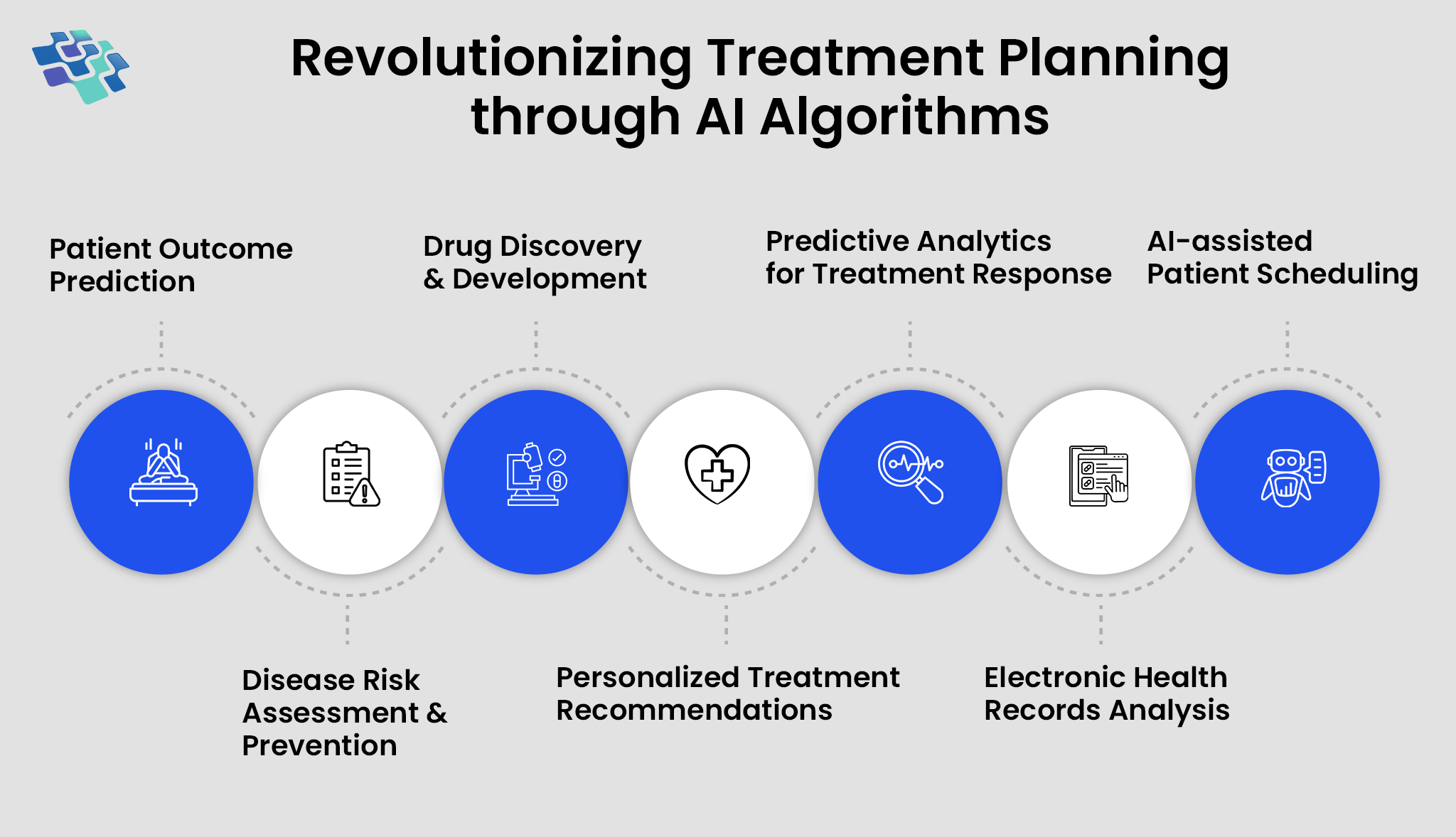
The Role of AI in Personalized Healthcare
The World Economic Forum projects that by 2030, AI in personalized healthcare will be valued at $188 billion worldwide. Due to the increased healthcare needs of the aging population, it is anticipated...
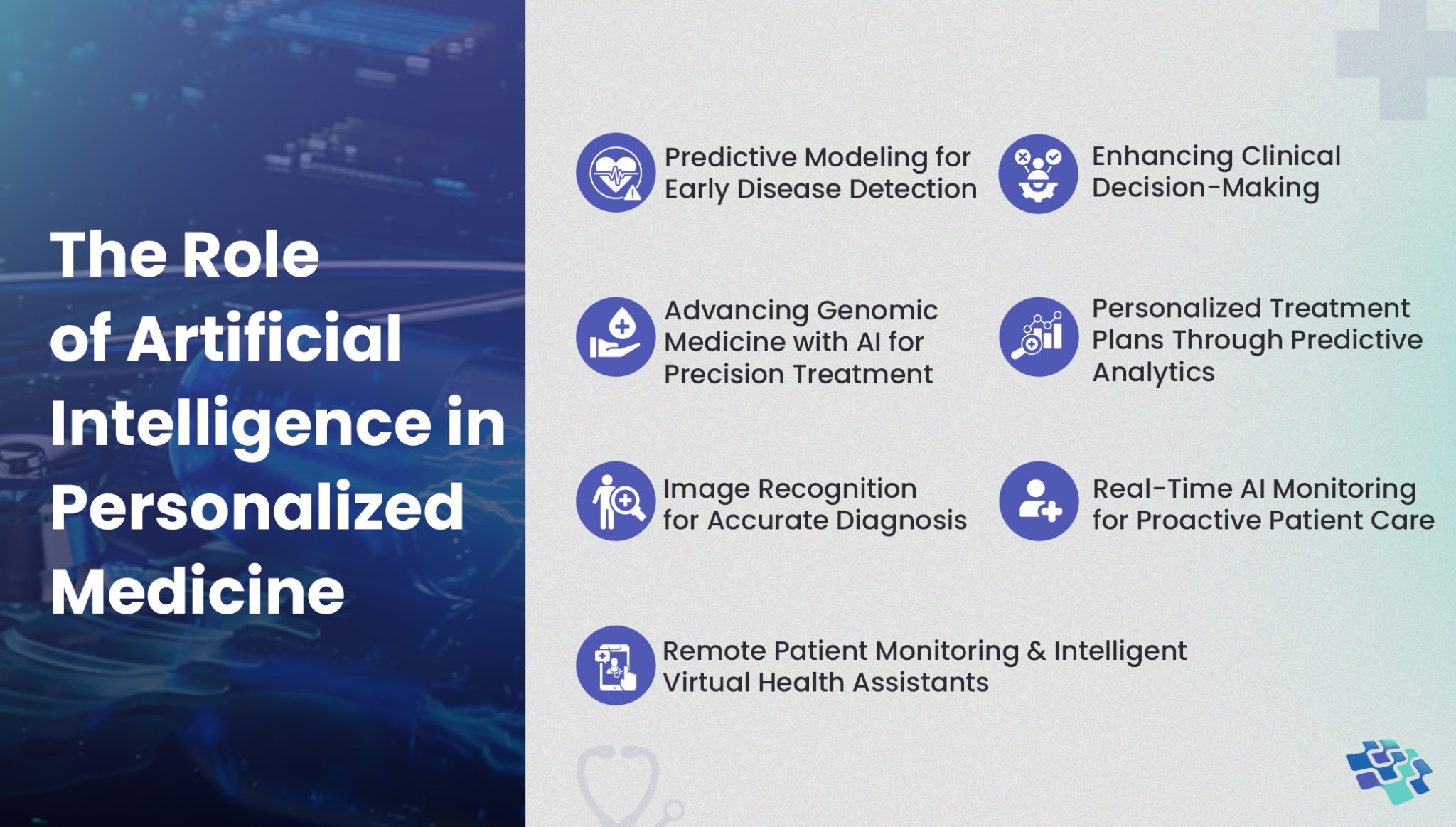
AI in Personalized Medicine: Solving Delayed Diagnoses for Better Patient Outcomes
The rapid growth of new medications, treatment protocols, and evolving regulations is outpacing healthcare providers’ ability to stay updated. AI in personalized medicine helps bridge this gap...
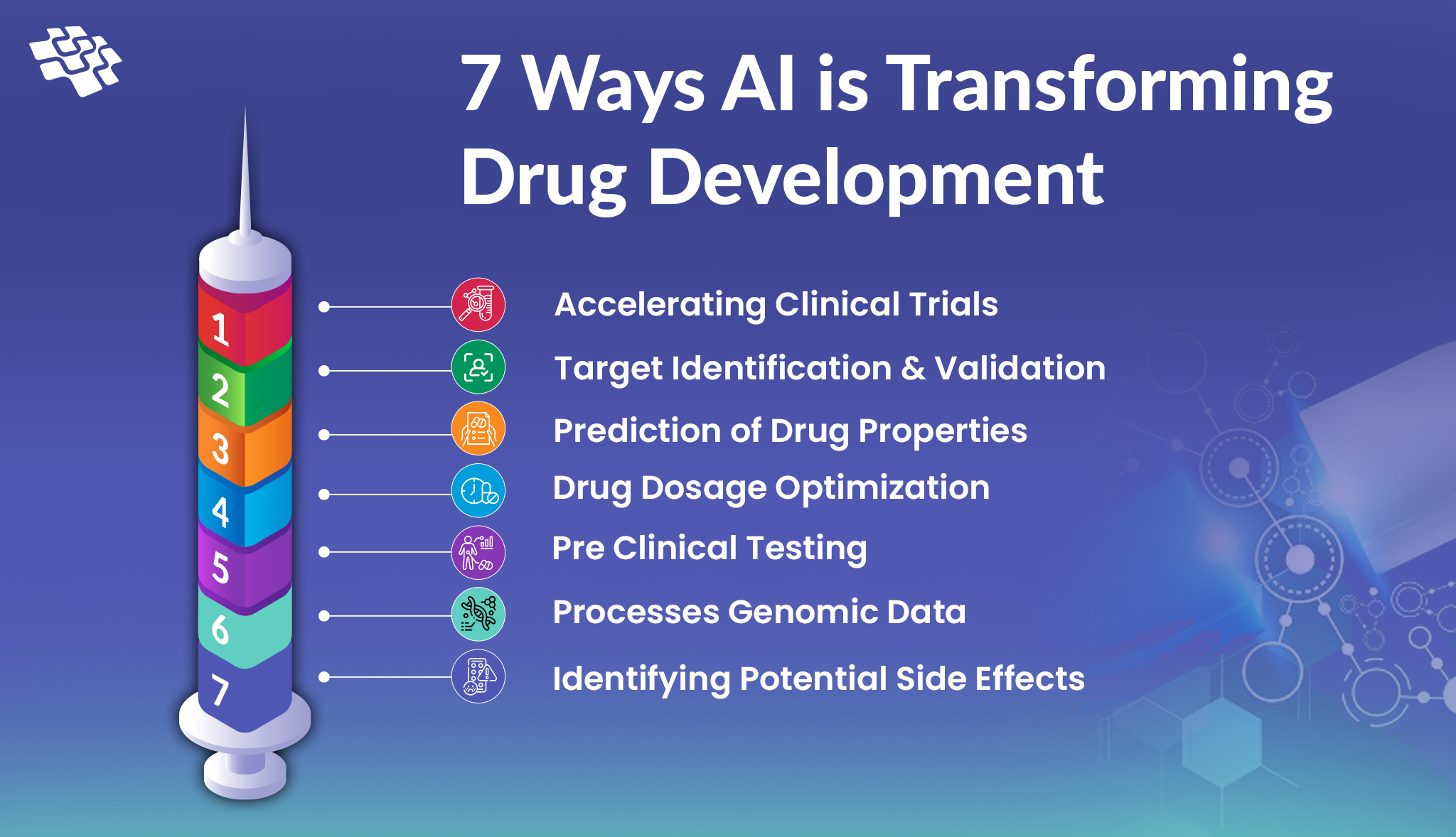
How AI in Drug Development is Transforming the Industry?
Across all therapeutic categories globally, the success rate in drug development is extremely low; for instance, 97% of cancer treatments fail during clinical trials. As a result, investing becomes riskier...
Stay In the Know
Get Latest updates and industry insights every month.