How Does AI-Powered RFQ Automation Work? A Practical Guide for Procurement Teams


By combining AI in procurement workflow automation with RFQ AI agents, organizations can replace manual workflows with data-driven quoting, streamline sourcing decisions, and achieve scalable, cost-effective results through a structured AI implementation roadmap.

Losing Opportunities Because Quotes Take Days? Accelerate RFQ Responses Without Expanding Your Team
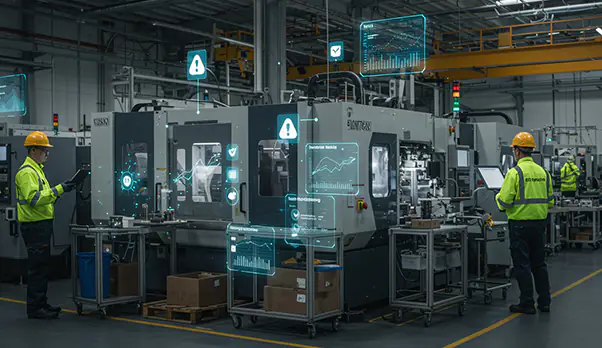
“Gen AI in procurement applications will focus on automating time-consuming, repetitive tasks such as knowledge discovery, summarization, contextualization, workflow, and execution. As these tools are adopted, procurement organizations can expect to boost productivity and efficiency, reduce operational costs, and free up staff to focus on higher-value activities like strategic decision-making and supplier management.”– Gartner
How AI-Powered RFQ Automation Transforms Procurement Operations
An RFQ is a formal document that businesses use to ask suppliers for terms and prices on products or services. It is usually employed when the specifications are precise and well-defined, enabling suppliers to offer comparable and accurate estimates. RFQs prioritize price, delivery, and predetermined specifications, in contrast to more comprehensive sourcing techniques. They are therefore perfect for recurring purchases, standardized goods, or circumstances where cost reduction is crucial.
Despite rapid advances in AI and automation, RFQs remain a critical part of modern procurement. In fact, AI powered RFQ automation in manufacturing enhances the value of RFQs by making the process faster, smarter, and more scalable. RFQs continue to play a significant role by:
- Standardizing communication between buyers and suppliers
- Enabling objective and transparent manufacturing quote automation comparisons
- Helping organizations obtain competitive pricing from qualified vendors
- Maintaining accurate records for compliance, governance, and audit requirements
Rather than replacing RFQs, AI-powered RFQ automation transforms them into a more efficient, data-driven process that improves sourcing outcomes and procurement decision-making.
Why Traditional RFQ Processes Fail: The Challenges of Traditional Workflows
In the traditional RFQ process, gathering data manually poses significant challenges. Manual data collection frequently entails repetitive processes like copying and pasting data from multiple sources, which raises the possibility of human error. This can result in errors in the documentation, which could lead to miscommunications between the procurement staff and potential suppliers.
Additionally, labor-intensive, manual data collection takes a lot of time and effort that would be better used for strategic endeavors.
The production of traditional RFQs is infamously time-consuming. Gathering requirements, writing the document, and interacting with different stakeholders for feedback and approval are just a few of the procedures involved. Timelines are further extended by the requirement for regular updates and revisions, which strains resources and delays the procurement process.
Another problem is inconsistent and erroneous data. Teams run the risk of more significant inconsistencies when they manually enter or gather data from several sources. These discrepancies can cause vendors to misunderstand the scope of the RFQ, which could result in subpar offers. Procurement teams can make decisions based on inaccurate information and choose a supplier who is unable to sufficiently support the project, which can also lead to problems throughout the supplier evaluation and selection process.
How Does AI-Powered RFQ Automation Evaluate Suppliers Beyond Price?
Price was the focus of RFQs in the past; however, cost is not a reliable indicator of a supplier’s worth. By assessing suppliers from a multitude of angles, AI-powered RFQ automation in manufacturing allows procurement teams to adopt a more strategic approach:
- Supplier Reliability: AI evaluates manufacturing capacity, delivery consistency, and historical performance to forecast a supplier’s ability to meet demand.
- ESG Compliance: AI monitors suppliers’ carbon footprint, sustainability records, and compliance with regulations to match sourcing choices with business ESG objectives.
- Total Cost of Ownership (TCO): AI assesses long-term costs, such as maintenance, logistics, and operational risks, in addition to initial expenditures. Instead of just finding the lowest bid, procurement teams can find suppliers who provide long-term value because of this comprehensive research.
Role of AI in RFQ Automation: How RFQ Automation in Manufacturing Improves Procurement Efficiency
RFQs for raw materials, components, tools, and services usually number in the dozens, if not hundreds, that manufacturing companies must handle. Manual procedures can increase procurement risks and prolong the sourcing process.
To help businesses handle their requests for quotations (RFQs):
- Speed up supplier identification and selection
- Reduce procurement cycle times
- Increase sourcing precision and decision quality
- Eliminate repetitive manual mistakes
- Strengthen supplier engagement and communication
- Maintain audit-ready procurement documentation
Manufacturers can minimize costs, ensure timely procurement, and uphold production schedules by optimizing their sourcing processes.
Common Challenges and How to Overcome Them
- Quote Creation Bottlenecks in Configurable Manufacturing: Requests in MTO and CTO settings rarely contain your internal SKU. Rather, clients supply their own part numbers, free-text descriptions of changeable assemblies, or references to engineering drawings. As a result, your order entry staff must manually map requests to the material master. To fix this and remove a significant time bottleneck, effective RFP data extraction is needed to check quotes and rapidly determine variant configurations.
- Slow Quote Response: After interpreting customer part numbers, resolving variation configurations, verifying ATP, and manually entering everything into ERP, the order entry staff takes two to four days to convert a request into a quote. Your competitor, who provides an hourly quote, gets the contract if there is no true automation of RFQs and RFPs.
- Manual ERP Entry for Approved Orders: Someone enters the information again into your ERP to make a Sales Order after the Purchase Order has been accepted. It takes too long, leads to errors, and makes it hard for your sales and management teams to work together.
- CPQ Investment Stalls: Even when you’ve implemented the CPQ system, feeding it still needs human labor. Because your discrete manufacturing CPQ does not have an automatic, instantaneous data feed from receiving customer documents, the configuration intelligence is inactive at the intake stage.
Check Our Success Story: Cognitive Automation: Revolutionizing Supply Chain Solutions
How Manufacturers Benefit from AI-Powered RFQ Automation
There will be time savings for any company that responds to many RFPs, RFIs, or vendor questionnaires. In regulated sectors like financial services, manufacturing, healthcare, and life sciences, where solutions must adhere to current regulatory terms and cannot rely on outdated or unverified information, the requirement becomes even more urgent. Here are four specific benefits that teams experience after implementing AI-powered RFP automation.
1. Structured Data for Easy Comparison
Procurement teams can evaluate offers side by side without spending hours cleaning up data when vendors submit quotations in a common manner via the system. Quotes can even be automatically ranked by many tools according to factors like cost, delivery time, payment conditions, or compliance with the help of manufacturing quote automation.
This makes it possible to make better, quicker decisions based on quantifiable criteria rather than who reacted first or last.
2. Faster Turnaround Time for Sourcing
Teams can immediately submit requests to several vendors because of an AI-powered RFQ management system. Vendors receive well-organized requests with precise technical requirements, timeframes, and expectations. Automated reminders ensure prompt responses from vendors.
With procurement workflow automation, businesses can place orders more quickly and shorten procurement lead times because of the quicker cycle from RFQ to decision.
3. Improved Supplier Responsiveness & Engagement
Automated systems deliver reminders ahead of time, keep track of whether suppliers have opened an RFQ, and alert suppliers. This reduces the time and effort needed for follow-ups and increases vendor response rates.
Additionally, suppliers gain from being able to reply digitally, submit supporting materials, and expedite the clarification of needs, which lessens the usual back-and-forth associated with procurement.
4. Increase Speed with Autofill
The autofill tool automatically fills in the most appropriate response from your content library after analyzing incoming RFP questions. Rather than creating responses from the ground up for each submission, your team begins with a final document and makes contextual modifications.
Teams typically experience the biggest reduction in turnaround time at this point, frequently going from hours to minutes per response.
Your Engineers Should Build Products, Not Spend Hours Preparing Repetitive RFQ Responses
How AI-Powered RFQ Automation in Manufacturing Drives Strategic Procurement Intelligence: Key Use Cases
AI adds a layer of intelligence that completely changes the RFQ process, while automation manages the workflow. AI comprehends, evaluates, and learns from data rather than merely moving it around. Sales teams must comprehend how potential clients use manufacturing quote automation that is unique and satisfy their changing needs. AI goes well beyond simple price comparisons to assist procurement teams in making quicker, more intelligent, and more strategic selections.
 1. Evaluate Suppliers Beyond Just Price
 1. Evaluate Suppliers Beyond Just Price
The lowest bid was frequently won in the past. These days, AI in procurement can evaluate suppliers in a far more comprehensive manner. Beyond simply pricing, the solution can examine several other aspects, such as supplier dependability, past performance, and adherence to environmental and social governance (ESG) requirements.
To determine a partnership’s actual long-term value, it can even compute the total cost of ownership (TCO). For companies that compete on quality and dependability, this is excellent news. Because the AI particularly looks for these indicators, you will have a greater chance of winning bids by emphasizing your company’s stability, ethical standards, and long-term worth.
2. Supplier Risk Assessment and Compliance Monitoring
Disruptions to the supply chain can cause serious problems for any organization. AI procurement automation now has an effective tool for proactive risk management. AI in supply chain management can detect issues, such as material shortages or logistical bottlenecks, before they become serious issues by examining market data, past trends, and supplier information. This enables businesses to prepare ahead of time, find substitute providers, or modify tactics to prevent costly delays.
Organizations can use this as a supplier to get a competitive edge. In proposals, highlighting a robust and transparent supply chain can be a powerful selling feature, demonstrating prospective customers that your organization is a dependable and steady partner they can rely on, regardless of barriers.
3. Vendor Proposal Evaluation and Negotiation Support
Purchase requests are the first step in the procurement process. They often turn into process bottlenecks. The time-to-close can be reduced by automating the approval process, which also speeds up the procurement process overall. Traditionally, this work entails assessing multiple offers and negotiating terms, which is a labor-intensive, time-consuming, and often subjective procedure. AI-powered RFQ automation can simplify this process, resulting in more effective and data-driven choices.
AI can change supplier selection by analyzing bids based on a range of characteristics such as price, quality, delivery time, and prior performance. For instance, natural language processing can be used to examine contract terms and conditions, automatically indicating potential challenges and benefits that could otherwise be overlooked. AI’s ability to handle and analyze large volumes of data ensures that every proposal is properly examined against set criteria, leaving no space for oversight or bias.
4. Purchase Order Automation and Workflow Orchestration
In addition to taking a lot of time, manually creating and submitting purchase orders is prone to errors and delays that might interfere with the procurement operation. At this point, automation can boost speed and accuracy, ensuring that the procurement process runs smoothly from request to delivery. AI in procurement workflow automation can contribute to this automation; it’s crucial to remember that regular software programming is frequently adequate to automate the creation and transmission of purchase orders.
Automation significantly improves purchase order management by ensuring accuracy, efficiency, and compliance throughout the procurement process.
- Automated systems capture critical purchase order details, including pricing, quantities, supplier information, and delivery schedules, with greater accuracy, reducing the risk of missing or inconsistent data while supporting adherence to procurement policies.
- Once a purchase order is approved, the system can automatically distribute it to suppliers and provide real-time visibility into order progress, enabling procurement teams to monitor status updates and respond quickly to potential delays or issues.
- Every action within the workflow is automatically recorded, creating a comprehensive audit trail that supports regulatory compliance, internal governance, and faster audit reviews.
5. Predictive Cost Analysis and Quote Optimization
AI models use market indices, historical data, and current trend analysis to forecast material costs. Procurement teams can negotiate from a position of data-backed confidence and strategic time purchases. By effectively analyzing quotations and determining the greatest value, AI-driven cost forecasting also helps teams obtain competitive pricing from suppliers. Stronger cost control and aggressive sourcing techniques follow this.
Manufacturing quote automation uses predetermined metrics like cost, lead time, and compliance to compare supplier quotes instantaneously. Teams receive organized insights in place of endless spreadsheets, which immediately indicate performance gaps, savings opportunities, and deviations.
Don't Let Slow Pricing Approvals Prevent Your Team From Winning High-Value Opportunities
Measuring RFQ Automation ROI: RFQ Automation KPIs and Metrics
Clear measuring frameworks that capture both short-term efficiency gains and long-term strategic benefits are necessary for AI-powered RFQ automation programs to be successful. To support platform investments and improve procedures, response teams need hard data.
Using Forrester’s Total Economic Impact (TEI) framework, companies that implemented modern accounts payable automation earned an ROI of 111% with payback in less than six months.
The main metrics for RFQ automation are as follows:
- Reduction in RFQ response turnaround time: Measure how quickly teams respond and submit complete RFQ proposals.
- Increase in RFQ handling capacity: Track additional RFQs managed without expanding team size or resources.
- Improvement in RFQ win rates: Monitor increases in successful bids driven by faster, higher-quality responses.
- Growth in content reuse rates: Measure how often approved content is reused across RFQs.
According to research, financial institutions that apply process automation saw a 90% reduction in processing time with 99.5% accuracy in automated procedures, as well as an average ROI of 250% during the first 24 months, with payback periods usually ranging from 6 to 12 months.
The typical amount of avoidable rework in accounting departments can occupy up to 30% of a full-time employee’s total time, according to Gartner data. Accounting leaders are focusing on measures that go beyond straightforward ROI, such as gains in team satisfaction and employee value proposition.
How Does RFQ Automation Work? A Step-by-Step Automated RFQ Workflow
Pre-automation facilitates the creation of RFQs by simplifying several steps in the process, from early demand definition and risk assessment and mitigation to project future state visualization using standard methods like digitalization.
- Requirements Definition: By more precisely defining and recording project requirements, pre-automation can improve the RFQ process. This entails collaborating with the customer team to comprehend and document their requirements in the form of a specification, considering every aspect of the project, and effectively conveying them to prospective suppliers.
- Risk Assessments: Pre-automation technologies allow teams to perform risk assessments and pinpoint areas that can be too limited or poorly defined. Teams can verify that the RFQ requirements are thorough and practical by appropriately estimating the needs and addressing any potential hazards up front.
- Proof of Concept Studies: Pre-automation can assist with technological research to verify specific project components. This could help describe important aspects of the process and ensure that the suggested solutions are workable, offering insightful information that helps manufacturers choose the best supplier for the task and educate the RFQ.
- Digitalization & Simulation: Digital technologies can assist in detecting bottlenecks and optimizing designs by simulating various process workflows and scenarios. This gives a thorough picture of the project’s future condition and aids in improving the RFQ’s alignment with overarching corporate goals.
RFQ Automation Software Features Checklist
Utilize this as a checklist for a swift reality assessment before and throughout the implementation process:
Process Assessment
- Documented the complete RFQ workflow from submission to final quotation
- Identified process inefficiencies, delays, and workflow dependencies
- Categorized RFQs based on complexity and business requirements
Data Preparation
- Standardized and enriched product, supplier, and pricing data
- Aligned cost structures with current business requirements
- Established pricing, margin, and exception management rules
RFQ Input Standardization
- Implemented structured RFQ submission forms and portals
- Defined mandatory data fields to ensure submission completeness
- Standardized document formats, specifications, and attachments
Workflow & Approval Management
- Configured approval workflows based on business rules and thresholds
- Automated task routing to appropriate stakeholders
- Enabled real-time alerts, reminders, and escalation mechanisms
Quote Management
- Developed consistent and scalable quotation templates
- Automated quote creation and distribution processes
- Implemented document versioning and audit controls
System Integration
- Connected RFQ workflows with CRM, ERP, and AI in procurement platforms
- Eliminated redundant data entry and manual data transfers
- Ensured seamless information flow across integrated systems
Future-Proofing Production with Agentic AI-Powered RFQ Automation and Procurement with NextGen Invent
AI is shaping the next generation of industrial RFQ software, with uses far beyond chatbots and auto-fill forms. AI is beginning to identify which suppliers are most likely to win a particular RFQ based on past trends, identify pricing irregularities before the issuance of a purchase order, and suggest the best order quantities based on production projections and inventory levels.
AI-powered technologies are especially useful for mid-market manufacturers since they offer the kind of analytical expertise that previously required a specialized procurement analytics team. Without needing extra effort from your team, a platform that uses AI parsing to automatically extract data from purchase orders, invoices, and quotes can create a comprehensive dataset.
Every RFQ, supplier interaction, and sourcing decision generates valuable insights that can improve procurement efficiency, supplier performance, and profitability. The key is ensuring that this information is captured, connected, and leveraged instead of remaining scattered across emails, spreadsheets, and disconnected systems.
As manufacturers face increasing pressure to reduce costs, accelerate sourcing cycles, and improve decision-making, investing in AI quoting software for manufacturing and intelligent automation services is becoming a strategic necessity rather than a future consideration. Organizations that embrace automation can streamline RFQ management systems, enhance supplier collaboration, reduce manual effort, and build a more agile procurement function capable of scaling business growth.
At NextGen Invent, we help manufacturers unlock the full potential of AI in procurement through custom solutions designed to automate RFQ workflows, optimize sourcing decisions, and deliver measurable business outcomes. By modernizing your quote-to-order process today, you can eliminate operational bottlenecks, improve procurement performance, and build a foundation for long-term competitive advantage in an increasingly data-driven manufacturing environment.
Frequently Asked Questions About AI-Powered RFQ Automation

“The future of procurement will not be defined by how quickly organizations process RFQs, but by how effectively they convert RFQ data into strategic intelligence. Every quotation, supplier response, pricing trend, and sourcing decision contains signals that can shape competitive advantage. Companies that leverage AI-powered RFQ automation to capture, learn from, and act on these signals will transform procurement from a transactional function into a driver of resilience, innovation, and long-term growth.”
Ruchi Garg

Chief Digital Officer
Related Blogs
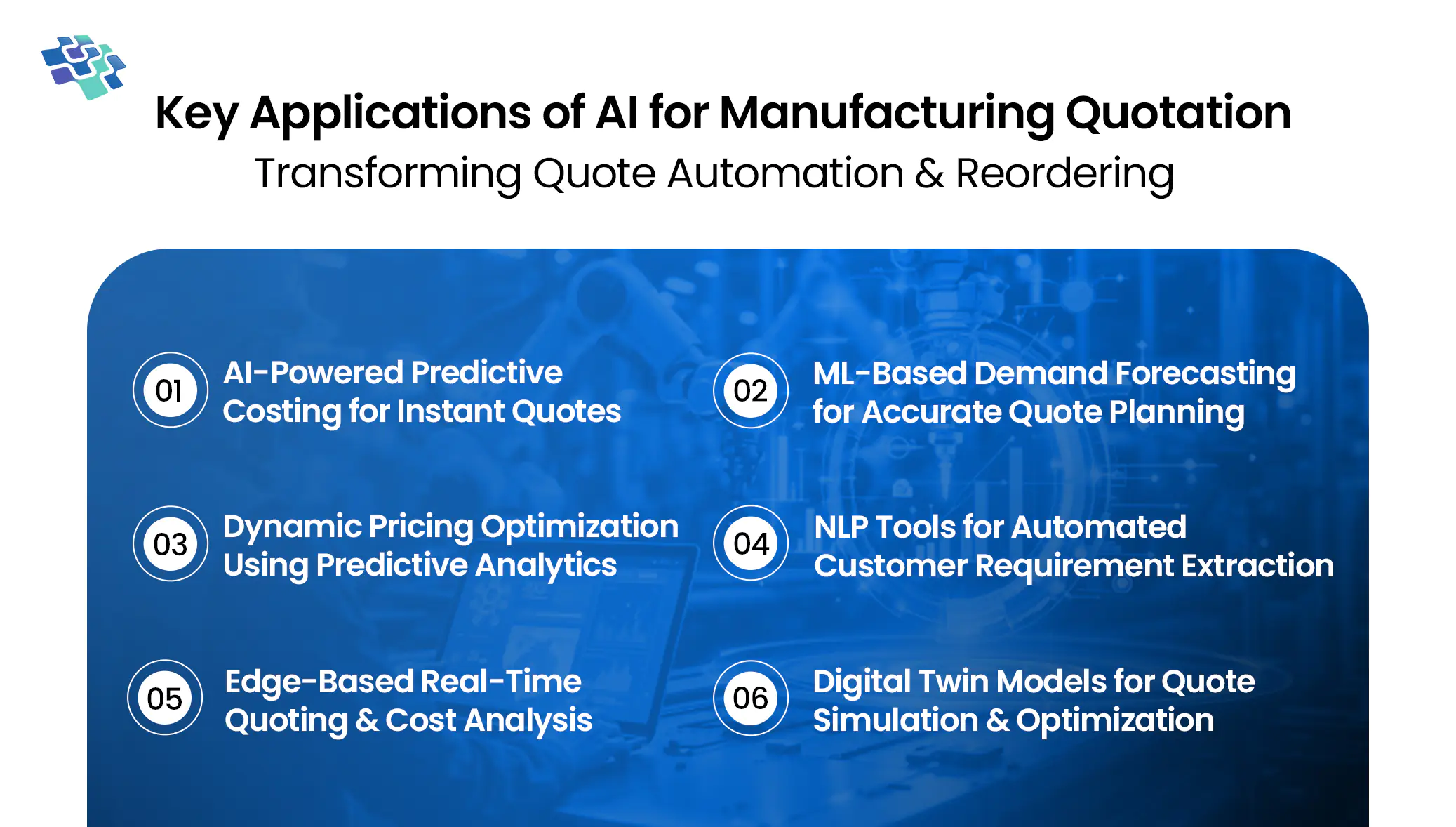
AI for Manufacturing Quotation: How Manufacturers Can Beat Quoting Delays & Costing Challenges
Have you ever lost a potential order simply because your quote took too long or wasn’t competitive enough? AI for manufacturing quotation simplifies the entire process by automating...
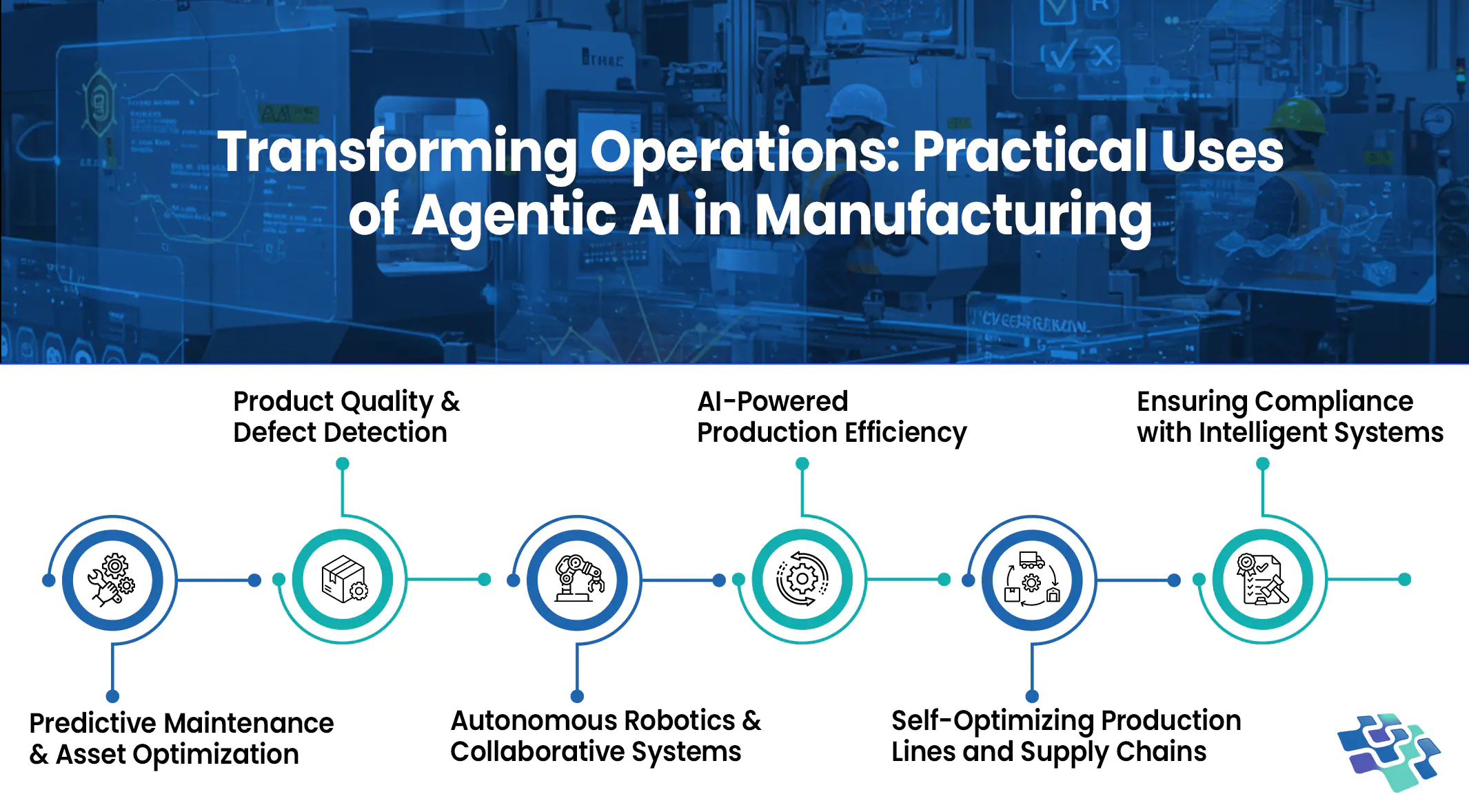
Agentic AI in Manufacturing: How Smart Autonomy Reduces Downtime and Improves Workplace Safety
Did you know that by 2035, AI is expected to generate up to $14 trillion in economic benefits? Or the average 20% gain in production efficiency and 30% decrease in maintenance costs...
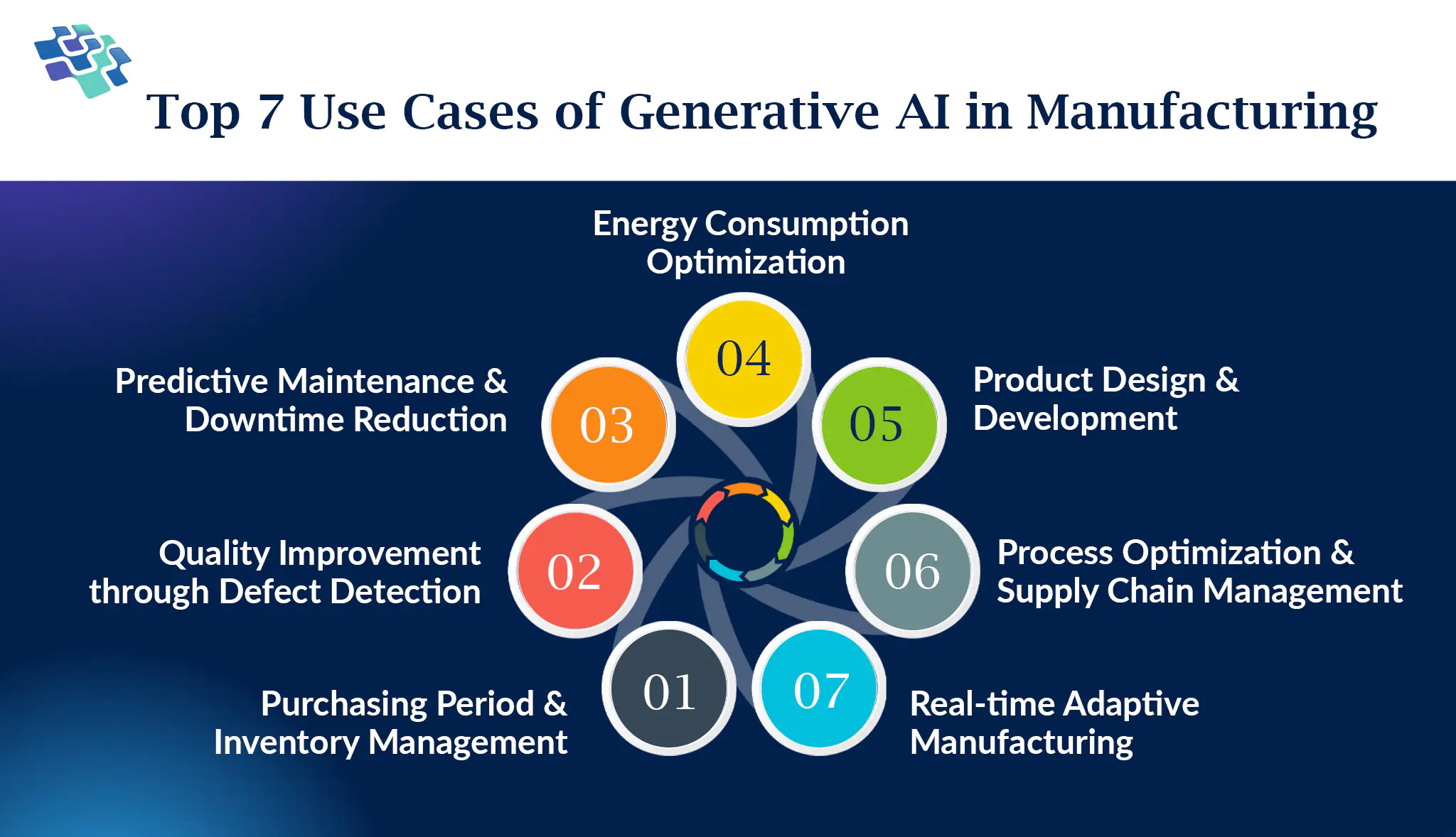
7 Most Important Use Cases of Generative AI in Manufacturing
The advantages of generative AI for manufacturing businesses, like improved product design, lower expenses, higher worker productivity, and more, facilitate this expansion.
Stay In the Know
Get Latest updates and industry insights every month.