Generative AI for Regulatory Compliance: How Businesses Use It for Automation and Risk Management in 2026


It creates audit reports, makes policy modifications, automates compliance checks, and identifies problems before they result in significant fines. The issue that most suppliers won’t tell you, though, is that AI won’t take the role of your compliance officers. It frees them up to focus on decisions that truly matter by eliminating the 17 hours per week they spend on manual document evaluation.
Reduce Regulatory Risk Exposure by Automating Audit Processes and Ensuring Continuous Compliance Across Complex Environments

“Generative AI adoption has reached a critical phase, with two-thirds of respondents (67%) reporting their organization is increasing its investment in GenAI due to strong value to date. Demonstrating the value of GenAI deployments to the C-suite will be critical for continued investment, as a majority (54%) of organizations are seeking efficiency and productivity improvements, yet only 38% are tracking changes in employee productivity.”– PR Newswire
What is Generative AI for Regulatory Compliance: A Complete Overview & Roadmap
Large-scale dataset analysis, pattern recognition, and the creation of outputs that resemble human comprehension and creativity are all made possible by generative AI models. This technological advancement has the potential to revolutionize several industries, especially in terms of improving regulatory and compliance procedures. The use of generative AI for regulatory compliance helps in meeting strict oversight standards and large data volumes. By automating and improving operations like regulatory document analysis, compliance monitoring, and risk management, generative AI increases productivity and accuracy.
In today’s fast-paced environment, the requirements for speed, accuracy, and flexibility are always rising. Generative AI satisfies these requirements by:
- Strengthening decision-making capabilities: Empowering compliance teams with advanced analytics and actionable insights, enabling them to identify risks early and take proactive corrective actions before issues escalate.
- Simplifying regulatory understanding: Leveraging NLP capabilities within generative AI for regulatory compliance to decode complex regulatory frameworks and transform them into clear, structured, and easy-to-understand information.
- Automating repetitive compliance tasks: Reducing manual effort by automating repetitive compliance tasks such as compliance checks, document reviews, and audit processes, allowing teams to focus on strategic initiatives.
Key Challenges That Impact Generative AI for Regulatory Compliance Projects
When incorporating AI into regulatory procedures, compliance specialists encounter many challenges. To overcome these challenges, careful planning, and the use of AI’s skills to improve compliance operations are necessary. Here are the primary challenges and how AI for compliance can help:
- AI Hallucinations: Models produce compliance guidelines that sound reasonable but are factually incorrect. The layer of human approval is essential.
- Data Quality Issues: Model accuracy is limited by legacy systems and fragmented silos. Before deploying any AI, data must be cleansed and standardized.
- Training Data Bias: Biases in historical data cause AI outputs to be skewed. Diverse training datasets and regular bias audits are necessary.
- Complex Regulation Interpretation: AI reads material quickly, but it overlooks details that depend on context. A hybrid human-AI strategy is necessary.
- Black Box Problem: Explainability is required by regulators. Decision pathways must be recorded, and models must be comprehensible.
Evaluating the ROI of Generative AI in Regulatory Compliance for Enterprises: Metrics That Matter
By automating processes, improving decision-making, and ensuring more accuracy and efficiency, generative AI can completely transform regulatory compliance. However, businesses must assess the ROI from incorporating AI into their compliance procedures to truly comprehend its value. This assessment measures efficiency gains, risk reduction, and long-term compliance results in addition to cost savings.
- Risk Mitigation & Compliance Assurance: Compute the financial savings from the avoidance of fines, penalties, and legal fees in addition to the decrease in risk exposure. This is comparable to the expense of putting AI technologies into practice.
- Enhanced Audit & Reporting Capabilities: Analyze audit preparation time reductions as well as enhanced audit results and openness. Examine how automation can save time and money compared to manual auditing procedures.
- Cost Savings Through Automation: Keep track of labor cost savings, error-related penalties, and time saved by automating repetitive procedures.
Benefits of Generative AI for Regulatory Compliance Management
Integrating generative AI into regulatory compliance has the potential to completely change how it functions. These are some of the primary benefits of applying generative AI for compliance automation.
- Agile Policy Management: AI-driven technologies enable quick updates to training materials and policies. Transformers and big language models are fundamental technologies/models. They make the onboarding procedures for new regulations more efficient.
- Policy Alignment with Regulations: The alignment of internal policies with changing external rules is ensured by generative AI. LLMs and rule-based generating systems promptly detect and close compliance gaps.
- Clear Regulatory Interpretation: Complex regulatory texts from authorities are interpreted using natural language with LLMs and text generation models. Consequently, compliance becomes easier to comprehend and adhere to.
- Improved Insights for Compliance: Generative AI provides advanced analytics to identify potential compliance problems by using massive language models. It accomplishes this to facilitate proactive risk management.
Generative AI vs Traditional Compliance: A Side-by-Side Comparison
While traditional systems rely more on static rules, Gen AI compliance can enhance efficiency and prioritization. Businesses that view governance as “just compliance” frequently experience AI failures that compliance alone cannot stop because of the difference between AI vs traditional compliance.
| Aspect | Traditional Compliance Approach | Gen AI-Driven Governance & Compliance |
| Operational Approach | Periodic audits and reactive checks | Continuous monitoring with real-time insights |
| Primary Focus | Meeting legal and regulatory requirements | Ensuring ethical, transparent, and outcome-driven AI usage |
| Outputs & Reporting | Static reports, certifications, and documentation | Dynamic dashboards, instant alerts, and automated enforcement |
| Scope of Coverage | Focus on internal processes and controls | Covers data, AI models, and business outcomes |
| Speed & Efficiency | Slower due to manual reviews and fixed cycles | Faster execution through automation and real-time analysis |
| Risk Detection | Relies on predefined rules and manual checks | Uses AI to identify patterns, anomalies, and emerging risks |
| Scalability | Limited ability to handle large volumes efficiently | Easily scales to manage high data volumes and complexity |
Generative AI for Regulatory Compliance: How It Solves Compliance Challenges with Real-World Use Cases Across Industries
1. Pharma & Healthcare
AI helps in monitoring adherence to data protection regulations (like HIPAA), pharmaceutical approval processes, and medical research regulations.
An excellent example of generative AI in compliance in action is how an organization like Pfizer uses AI to support compliance for clinical trial paperwork, HIPAA-aligned data processing, and regulatory submissions.
2. Financial Services Compliance
To monitor transactions, identify fraud, and ensure adherence to anti-money laundering (AML) laws, banks and other financial institutions employ generative AI.
AI is used by banks like JPMorgan Chase to monitor questionable transactions, enforce AML regulations, and expedite KYC processes.
3. ESG Compliance
Businesses have long utilized artificial intelligence-enabled solutions to monitor ESG measures, streamline sustainability reporting, and adhere to crucial environmental standards.
Organizations use AI for compliance automation to develop sustainability reports, monitor ESG compliance, and adhere to environmental standards.
4. Legal & Data Protection Compliance
Artificial intelligence is used by corporate legal teams and law firms to process contracts, identify regulatory concerns, and ensure legal compliance.
By carrying out tasks like policy creation and compliance checks, generative AI helps organizations comply with international data protection regulations like GDPR and CCPA.
Scale Enterprise Compliance Faster by Integrating Generative AI Into Governance Workflows and Unlock Actionable Insights
How Businesses Use Generative AI for Regulatory Compliance in Real-World Scenarios
Industry adoption of generative AI to enhance regulatory compliance is growing. Generative AI is transforming compliance procedures by automating routine tasks, increasing accuracy, and enhancing risk management. Here are a few significant applications of generative AI in regulatory compliance:
 1. Risk Assessment & Management
 1. Risk Assessment & Management
Generative AI significantly enhances risk assessment and management in regulatory compliance. Through the analysis of extensive datasets, generative AI can discern potential compliance concerns that may not be readily apparent. Its predictive analytics skills enable businesses to foresee future hazards, permitting teams to tackle prospective difficulties prior to their escalation.
Furthermore, AI can identify irregularities in transactional data that can suggest non-compliance. This proactive risk management strategy exemplifies a significant application of generative AI that assists organizations in alleviating compliance-related issues.
2. Scenario Analysis & Simulation
Generative AI is also advantageous in scenario analysis and simulation. It enables organizations to model diverse regulatory situations and evaluate their effects on operations. By assessing the impact of varying regulatory structures on business operations, organizations can better equip themselves for upcoming improvements.
This application of generative AI enables businesses to proactively modify their compliance frameworks in anticipation of legislative changes, ensuring preparedness for any potential developments.
3. Streamlined Regulatory Reporting
The regulatory reporting process is enhanced by generative AI, which makes it faster and more effective. AI ensures the timely and accurate submission of regulatory reports by automating the gathering and synthesis of data from various sources.
This minimizes the time and resources required for manual data entry and report generation, as well as the likelihood of fines for late or inaccurate submissions. By increasing compliance reporting efficiency, this generative AI use case helps businesses save valuable time and money.
4. Regulatory Document Analysis
AI examines intricate regulatory documents to determine the essential compliance standards that businesses must adhere to. Generative AI helps businesses realize what improvements they need to make by emphasizing these key areas. This procedure helps businesses quickly understand the key elements of the rules by simplifying the frequently complex and technical legal terminology.
To forecast how new or impending regulatory changes may affect an organization’s day-to-day operations, generative AI models can examine these changes. For instance, the AI model could determine which departments, systems, or procedures inside the company might be impacted by a new rule pertaining to data privacy. To prevent compliance problems and ensure a seamless transition when the requirements take effect, this enables the organization to prepare ahead of time by modifying workflows, updating technology, or offering the required training.
5. Automated Compliance Audits
AI creates thorough audit strategies and checklists that are specific to regulatory standards. This promotes thoroughness and adherence to standards by ensuring that all required compliance areas are covered during the audit. It examines big databases to find non-compliance trends. Generative AI for regulatory compliance improves efficiency by streamlining the audit process and allowing auditors to focus on critical areas and spotting problems.
Artificial intelligence generates thorough audit reports that indicate non-compliance areas and document findings. For compliance officers and decision-makers, these reports offer insightful information that supports well-informed actions and strategic advancements. It ensures that audits are carried out thoroughly and consistently. This improves overall compliance management and lowers audit quality variability, producing more accurate and dependable audit results.
6. Contract Review & Analysis
Generative AI for regulatory compliance highlights significant components and issues while locating and extracting key contract clauses and tasks. This ensures that key facts are noted and expedites the review process. To find inconsistencies or non-compliance problems, generative AI automatically checks the terms of a contract with predetermined compliance requirements.
AI creates thorough reports that show any problems found and the general state of contract compliance. These reports give legal teams important information that helps them deal with possible issues and make sure that all contract requirements are fulfilled, supporting efficient risk management and compliance initiatives.
7. Enhanced Due Diligence & Data Privacy/GDPR Compliance
By automating the examination of client data, AI-powered technologies provide comprehensive due diligence and ensure compliance with KYC and Anti-Money Laundering (AML) standards.
To ensure compliance with data privacy regulations like GDPR, generative AI helps enterprises manage and safeguard sensitive data. It ensures safe data management and automates data classification and anonymization.
Increase Audit Readiness and Minimize Operational Risks Through AI-Driven Compliance Strategies Designed for Enterprise Scale
Best Practices for Implementing Generative AI for Regulatory Compliance Operations
AI integration could significantly boost productivity, accuracy, and flexibility in compliance processes. Businesses should follow these crucial best practices to ensure effective implementation:
- RAG & LLM Integration: Large Language Models (LLMs) and Retrieval-Augmented Generation (RAG) are used to develop a potent solution for automating compliance chores. Risk levels can be categorized with the use of RAG, but LLMs provide a more thorough grasp of context. Businesses may create more intelligent systems that are better able to recognize and address compliance issues because of this synergy.
- Data Preparation: The success of Generative AI in compliance operations depends on proper data preparation. Accurate decision-making by AI models depends on high-quality, organized data. Reliable AI outputs are ensured by clean, vetted, and standardized data. Additionally, keeping data consistent across platforms helps avoid compliance problems like inaccurate or missing information, which could lead to fines from the authorities.
- Coordinating Multiple AI Agents: It takes seamless integration and coordination to manage several AI agents in a compliance scenario. Every agent should concentrate on compliance responsibilities, including transaction monitoring, audit tracking, or document inspection.
- Ensure Human Oversight and Ethical Alignment: Even though AI can improve and automate compliance procedures, human oversight is still necessary to ensure ethical decision-making. Frequent audits of AI processes and outputs lower the possibility of biases or unforeseen repercussions while promoting transparency and alignment with corporate objectives.
How Generative AI Enables Compliance Teams to Stay Ahead
Traditional compliance systems frequently lag, responding to changes only after they have been formalized or implemented. Generative AI changes that. AI can anticipate compliance issues, identify trends, and point out areas where you’re likely to fail before you do because of predictive analytics and real-time monitoring.
An AI model might, for instance, examine the number and kind of DSRs entering your system and forecast future surges based on marketing initiatives or local patterns in privacy compliance. The transition from reactive to proactive compliance is comparable to switching from a flip phone to a Bat-Signal. It’s an entirely new degree of preparedness and visibility.
Balancing Compliance & Business Needs with AI Ethics Guidelines
The goal of ethics guidelines is to offer a foundation for using AI responsibly. Among the many advantages are the following:
- Fairness & Equity: In AI applications, ethical principles support equity, fairness, and inclusivity while reducing bias.
- Trust & Transparency: Trust and faith in the AI system are fostered by ethical standards.
- Regulatory Compliance: Businesses can comply with regulations by following ethical standards.
- Safety: Ethical concerns assist in alleviating risks associated with the usage of AI systems for detrimental ends.
- Accountability: Ethical standards advocate for procedures that enhance accountability in decision-making processes.
Future Trends of Generative AI for Regulatory Compliance in 2026
Generative AI for regulatory compliance is rapidly proving to be a highly effective solution for managing complex regulatory requirements and improving operational efficiency. As adoption continues to grow, organizations can expect accelerated advancements in this space. Below are some key developments that are likely to shape the future of generative AI in compliance.
- AI-powered Regulatory Intelligence: Gen AI technology will enable real-time monitoring of worldwide regulatory updates and forecasting organizational preparations for impending compliance changes.
- Increased Automation: The use of AI to automate standard compliance activities, such as regulatory reporting and documentation generation, will escalate soon.
- Explainable AI for Compliance: Compliance necessitates transparency; hence, the generative AI models employed must likewise exhibit transparency, traceability, and auditability.
- Better Risk Management Using Predictive Analytics: Generative AI for predictive analytics and scenario simulations will enhance the efficiency of risk management significantly.
Wrapping Up
Generative AI for regulatory compliance is quickly becoming essential for organizations looking to manage complex regulatory environments with greater speed and precision in 2026. By automating repetitive workflows, improving data accuracy, and enabling faster, insight-driven decisions, businesses can stay compliant while significantly reducing operational burden. With the support of a custom generative AI development services provider, organizations can design solutions tailored to their unique compliance needs and regulatory frameworks.
Beyond efficiency, generative AI is transforming how businesses approach risk management. It allows teams to:
- identify potential compliance gaps early,
- respond proactively, and
- maintain consistency across evolving regulations.
This is why more enterprises are investing in generative AI compliance solutions for enterprises to strengthen governance, ensure audit readiness, and scale compliance operations effectively.
Looking ahead, the true value of generative AI will depend on how responsibly and strategically it is implemented. Organizations must focus on transparency, ethical AI practices, and strong governance models to build trust while maximizing impact. Overall, generative AI for regulatory compliance is not just a tool for automation; it is a competitive advantage. Businesses that adopt it today will be better positioned to scale, adapt, and stay resilient in an increasingly complex market.
Frequently Asked Questions About Generative AI for Regulatory Compliance

“From a governance standpoint, generative AI for regulatory compliance must move beyond automation into decision assurance, integrating directly with risk, audit, and control frameworks. The real value lies in turning regulatory complexity into a scalable, intelligence-driven operating advantage.”
Ruchi Garg

Chief Digital Officer
Related Blogs
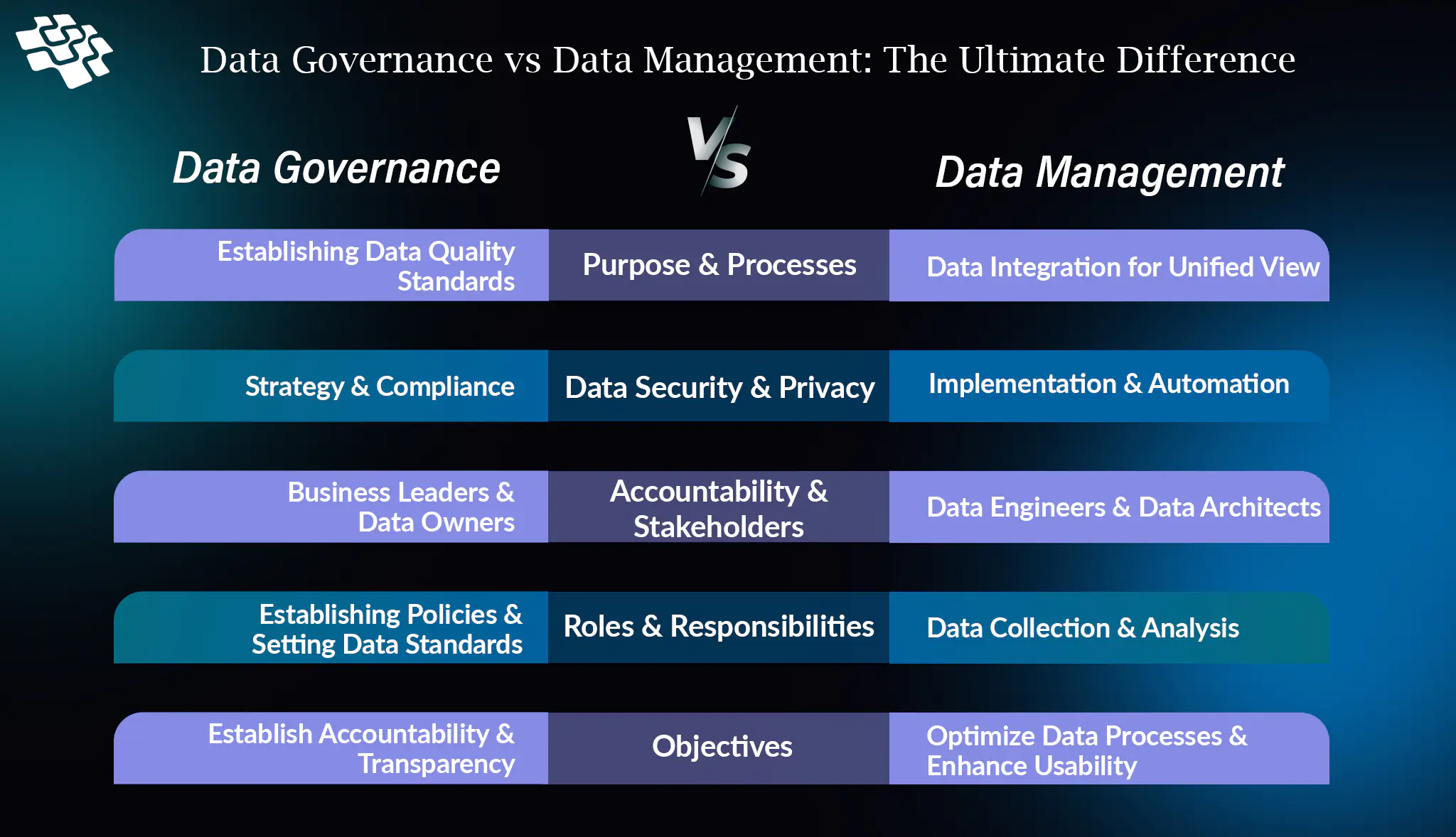
Data Governance vs Data Management: The Ultimate Comparison
Organizational structures, data owners, rules, procedures, business language, and metrics for the entire lifecycle of data are all defined by data governance. Data management is the technical execution of data governance.

Multimodal AI Use Cases: How Multimodal Models Work and How Enterprises Are Scaling Generative AI
The next wave of competitive advantage will not come from better prompts alone, but from multimodal AI use cases that combine text, images, audio, video, and structured data to mirror how the real world works.
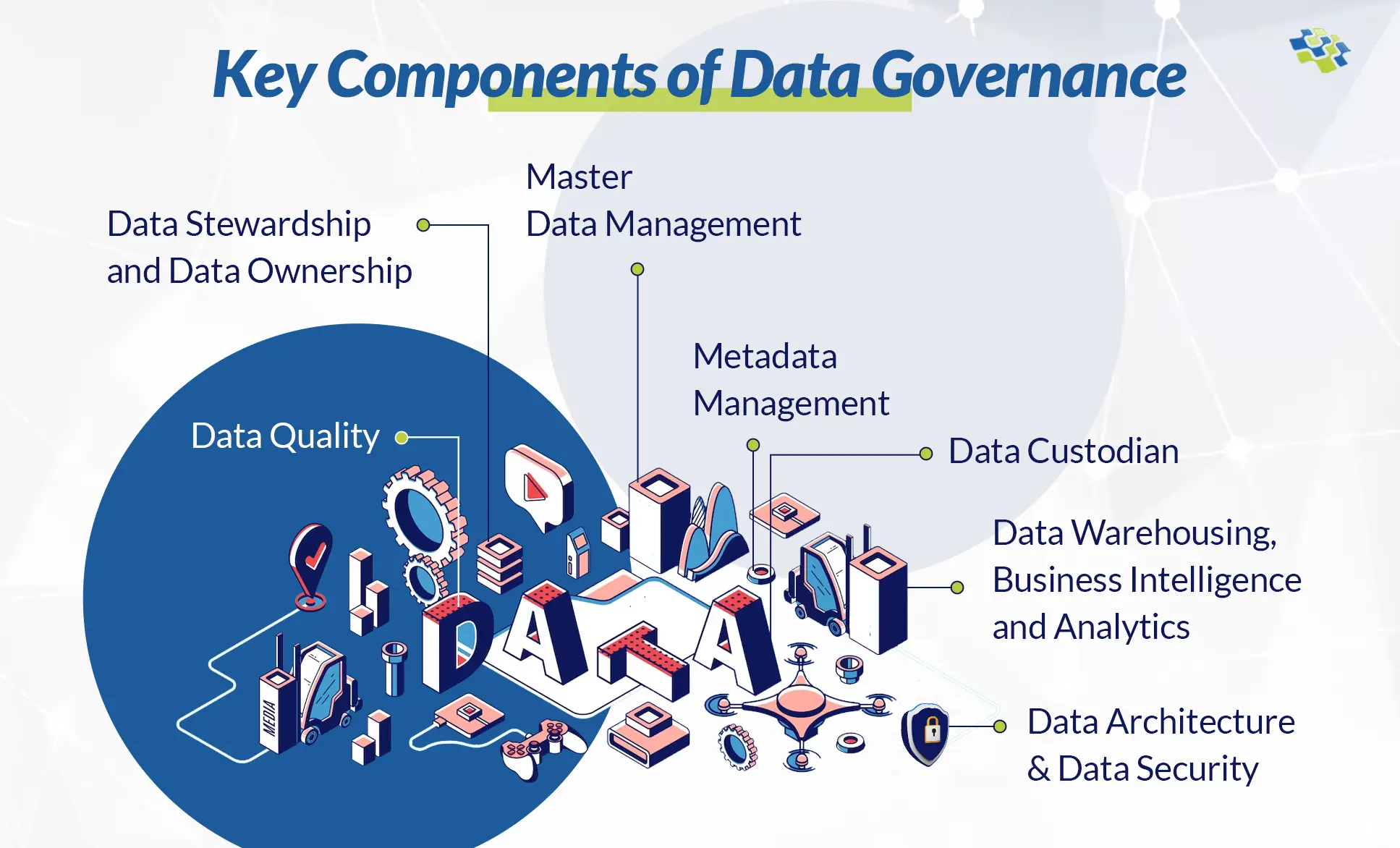
Data Governance Strategy: A Must Have for Every Organizations
Data acts as the linchpin, connecting these diverse technologies. It’s not just the new oil; it’s the lifeblood of the modern business ecosystem. As businesses adapt, every digital interaction generates data, fueling digital transformation.
Stay In the Know
Get Latest updates and industry insights every month.