Agentic AI in Insurance: Top Use Cases, Real World Case Studies & Implementation Guide for Businesses


AI-powered automated claims processing is predicted to cut processing times by 50–70%, saving insurers millions every year. AI-powered predictive analytics has improved fraud detection by more than 20%, thereby reducing insurer losses. In this blog, we’ll take a closer look at how this shift is already creating impact, exploring key Agentic AI use cases in insurance, how AI is being applied across the industry, the tangible benefits of AI in insurance companies, and what it takes to implement these solutions effectively, supported by practical examples and case-based insights.

Eliminate Underwriting Delays Caused by Manual Risk Assessments Using Real-Time Agentic AI Decision Automation

“Domain-level rewiring with AI has had a measurable impact on key parts of insurance businesses, including a 10 to 20% improvement in new-agent success rates and sales conversion rates, a 10 to 15% increase in premium growth, a 20 to 40% reduction in costs to onboard new customers, and a 3 to 5% accuracy improvement in claims.”– McKinsey
Why Does Agentic AI in Insurance Matter for CIOs, Underwriting Heads, and Claims Leaders in 2026?
There is currently a turning point in the traditional insurance industry. Rising consumer demands, operational constraints, and increasingly complicated risk profiles require more creative systems rather than just quicker ones.
This is where AI in the insurance industry begins to deliver meaningful value and operational efficiency. These autonomous systems function with objectives, logic, and dynamic feedback loops, compared to traditional automation. The result emphasizes large-scale adaptability in addition to efficiency.
Moreover, the impact is structural. Insurance businesses and brokers are the two most vulnerable industries to change from generative AI in due diligence. Labor-intensive processes benefit from AI augmentation. In this sense, agentic technologies not only facilitate, but profoundly transform customer service, underwriting, and claims processing systems.
- Insurers are creating agentic AI frameworks that evaluate policies and customer profiles in real time, cutting costs while raising customer satisfaction, according to Forbes Tech Council.
The key change that transforms reactive service models into proactive, hyper-personalized ones is self-directed, real-time intelligence. It is like other verticals that are already undergoing change, such as this practical use of AI agents in healthcare, where intelligent workflows now facilitate diagnosis, triage, and treatment coordination.
All these advancements show that artificial intelligence in insurance industry is a catchphrase. Self-directed workflows, continuous learning, and real-time reasoning are no longer optional. Businesses that adopt them are already in the lead. Furthermore, those that ignore them will fade.
How Agentic AI in Insurance Works: The Core Agentic Workflow
Agentic AI employs a five-step problem-solving cycle that reflects a seasoned professional and progressively enhances its performance over time.
- Perception: The agent collects all the necessary details for a claim, including details of the policy, weather reports, and contractor quotes.
- Reasoning & Planning: The agent examines the gathered data, discerns trends, and delineates its objective, such as verifying damage or assessing coverage exclusions.
- Decision-Making: The agent looks at many factors to decide what to do, approve a simple claim, or send a complicated one to a person to review.
- Execution: The agent autonomously updates claim status, triggers notifications, schedules inspections, and initiates payments, ensuring faster, seamless, and efficient claims processing workflows.
- Feedback & Learning: The agent evaluates outcomes, learns from successes and errors, and improves its decision-making and overall performance over time.
What Challenges Do Insurance Companies Face
- AI Bias & Fairness: AI models developed using historical data may inadvertently perpetuate biases, resulting in discriminatory pricing or coverage determinations. Insurers are required to conduct AI fairness audits to identify and address bias.
- Data Privacy Protections: AI-driven underwriting and fraud detection rely on substantial amounts of sensitive client information. In the absence of stringent cybersecurity and consent management, insurers face the potential for compliance breaches and reputational damage.
- Inconsistent Data Governance: Numerous life insurers continue to depend on outdated infrastructure or data governance with isolated databases, hindering real-time decision-making and AI-driven insights. Internationally diverse regulations pose compliance problems, necessitating insurers to standardize data security, access restrictions, and governance standards.
- Legacy System Limitations: Dependence on legacy systems restricts agility and limits innovation within insurance organizations. These rigid, outdated infrastructures reduce efficiency, complicate integration with modern digital technologies, and make it harder for insurers to adapt quickly, slow down transformation, and hinder overall operational performance.
ROI of AI in Insurance: Cost Savings, Efficiency Gains & Revenue Impact
The ROI of AI in insurance extends beyond automation, delivering measurable value through cost reduction, faster operations, improved risk management, and increased profitability. By applying AI across underwriting, claims, and fraud detection, insurers can achieve both immediate efficiency gains and long-term strategic advantages.
- 50–70% faster claims processing → reduced operational costs
- 30–50% cost savings in claims and servicing
- +20–30% improvement in fraud detection accuracy
- 10–15% improvement in customer retention
Simple ROI Calculation
- ROI (%) = [(Total Benefits – AI Investment) / AI Investment] × 100
Time-to-Value
- 0–6 months: Automation (chatbots, claims triage)
- 6–12 months: Underwriting and fraud detection improvements
- 12+ months: End-to-end intelligent automation and predictive analytics
Hidden ROI Drivers (Often Missed)
- Faster decision-making and turnaround times
- Increased employee productivity
- Decreased human errors
- Scalability without increasing costs
- Improved compliance and risk monitoring
ROI vs Risk Trade-Off
- High ROI: Claims automation, fraud detection
- Moderate ROI: Underwriting optimization
- Higher Risk: Fully autonomous decision systems (due to compliance constraints)
How Agentic AI in Insurance Outperforms Traditional Automation: AI vs Traditional Insurance Workflows
Traditional RPA was designed for repetitive activities within static systems. It accomplishes the task, but within limited parameters. AI agents enhance insurers’ capabilities to optimize processes, respond to changes, and manage complexity efficiently.
What distinguishes them?
- Smarter Exception Handling: When something unexpected occurs, AI agents react to real-time data and make decisions without the need for a human handoff.
- Continuous Improvement: These agents improve their performance over time by learning from each interaction. Traditional bots rarely change.
- System-Spanning Functionality: AI agents collaborate across systems, removing barriers between teams and tools, whereas RPA technologies operate within a single application at a time.
| Capability | Traditional RPA | AI-Driven Agents |
| System Connectivity | Operates in isolated systems | Integrates seamlessly across multiple systems |
| Handling Exceptions | Limited ability to manage deviations | Capable of managing complex and dynamic scenarios |
| Learning Ability | Fixed and non-learning | Continuously learns and adapts over time |
| Decision Approach | Based on predefined rules | Uses data insights for intelligent decisions |
Crucial Benefits of AI in Insurance Companies
Agentic AI systems can hasten insurers’ digital revolutions because of their capacity to make judgments on their own, adjust to new knowledge, and carry out activities with little assistance from humans. Insurance companies stand to gain from this transition in several operational domains:
1. Accurate Loss Estimation
Evaluating loss has never been easier because of recent advancements in AI technology like machine learning, deep learning, and OCR. By just submitting an image of the damaged object, the degree of damage can be swiftly and efficiently determined. Also, predictive analytics lets insurers forecast potential losses and generate data-driven recommendations to improve decision-making.
2. Simplified Claim Management
By managing all the processes of data collection, claims creation, authorizations, approvals, payment tracking, and recovery tracking, Agentic AI in insurance can be utilized in conjunction with other applications to speed up the fraud detection process and save time.
3. Next-Gen Predictive Analytics
A multitude of data, such as actuarial metrics, policy information, loss records, client demographics, and trends in risk assessment, are available to insurance experts. However, due to its complexity, this data can be difficult to understand or store in different systems. This may make it difficult to see the big picture when assisting clients and offering guidance. Artificial intelligence in insurance allows organizations to keep all their data in one location and analyze mission-critical data more quickly using massive language models.
4. Enhanced Operational Efficiency
To ensure a smooth, quick, and error-free procedure without human involvement, chatbots or AI agents are the most straightforward way to begin the process and disseminate the information to the next aligned step. Additionally, based on customer profile and previous transactions, generative AI for businesses can cross-sell and upsell insurance products.
5. Proactive Fraud Detection
For carriers worldwide, insurance fraud is a recurring and expensive issue. Agentic AI strengthens fraud detection by analyzing large datasets to identify suspicious patterns and anomalies in real time. By taking a proactive strategy rather than responding to fraudulent activity, insurers can reduce financial losses and improve regulatory compliance by identifying questionable claims early on and even preventing fraud at the application stage. Effective fraud prevention helps control unnecessary cost increases, stabilizing premiums while reducing risks such as identity theft and digital impersonation.
Modernize Legacy Policy Administration Systems Without Disrupting Existing Insurance Operations Using Scalable Agentic AI Frameworks
Real-World Applications of Agentic AI in Insurance: Underwriting, Claims & Customer Experience
The growing adoption of AI in the insurance industry is unlocking new opportunities to enhance operational efficiency, improve decision-making, and deliver better customer experiences. The following Agentic AI insurance use cases highlight how insurers are leveraging intelligent, autonomous systems to streamline processes, reduce risks, and drive business value across the insurance lifecycle.
 1. Underwriting & Risk Assessment
 1. Underwriting & Risk Assessment
Traditional risk assessment techniques are often ineffective and rely on inadequate data, increasing risk for insurers and leading to improper insurance policy pricing. Agentic AI can precisely evaluate risk and underwrite policies by analyzing several datasets, including financial data, health records, and past claims data. Additionally, machine learning models outperform traditional approaches in predicting the likelihood of claims. Health insurance organizations can use AI to examine past claims, lifestyle data, and medical records.
- Unlike traditional underwriting, which usually takes weeks or months, AI use cases in underwriting and claims can issue policies in just 20 minutes.
- The implementation of predictive modeling has resulted in a 20% reduction in the time required for policy issuance for applicants in the healthiest risk category.
Underwriters can assess cases while examining the AI’s forecasts and warning signs because of AI-driven underwriting models, which visualizes the decision-making process. By allowing human verification of AI outcomes, it not only improves back-office efficiency but also tackles the “black box” problem of AI.
2. Claims Processing Automation
Typically, the manual processing of an insurance claim requires several weeks, resulting in policyholder irritation and a heightened risk of customer attrition. The labor-intensive characteristics of manual processing lead to increased operational expenses, while human errors can cause delayed settlements, hence escalating consumer frustration. Agentic AI in insurance can transform claims processing by automating the complete procedure from initial submission to final settlement. Machine learning algorithms evaluate the accuracy of assertions by contrasting them with historical data and detecting patterns suggestive of fraud or inaccuracy.
- AI can significantly cut the time needed to process claims, often from weeks to hours, by automating these tasks.
- 98% of the 2,000 claims processed in the pilot program for automating claim processing for major insurers were accurate.
Also, AI can ensure correctness and consistency in document handling, reducing the mistakes connected with manual processing. Insurance companies that use AI-driven claims processing have experienced shorter processing times and lower operating expenses. Improved customer satisfaction and retention rates are further benefits of increased efficiency and accuracy.
3. Predictive Analytics and Proactive Outreach
The predictive powers of AI surpass underwriting and claims processes, enabling insurers to foresee and meet client demands proactively. Through the analysis of client data, behavioral patterns, and external variables, AI can discern pain points, allowing insurers to proactively engage and provide customized solutions.
This proactive strategy enhances customer loyalty and retention, positioning insurers as trusted advisors by providing value-added services that extend beyond typical insurance frameworks.
4. Customer Service Management
AI improves accuracy and lessens manual labor, allowing insurers to provide faster, more individualized service at scale. Automation ensures prompt, reliable responses, while predictive and generative technologies assist in customizing services to specific consumer demands. By employing sentiment analysis and NLP to decipher comments from emails, chats, and surveys, AI systems can also improve service quality. This enables insurers to monitor consumer sentiment over time, identify unhappiness early, and make proactive service strategy adjustments.
The following are the most well-known instances of AI integration in customer support:
- AI-Powered Chatbots: Reduce wait times and ease support duties by promptly responding to frequent questions (such as policy status, claims updates, and document submissions).
- Personalized Recommendations: Examine client information and past interactions to provide customized recommendations, timely alerts, and proactive support.
5. Process Mining
The insurance sector possesses intricate and antiquated procedures that are both expensive and challenging to modify. These processes hinder many companies due to reluctance to change. AI enables process mining to improve processes, decrease costs, shorten processing times, and enhance customer satisfaction and compliance. It analyzes large datasets to identify patterns, bottlenecks, and inefficiencies in insurance processes such as claim processing, underwriting, risk assessments, back-office operations, and policy issuance.
AI is also essential for calculating claimant compensation, automating damage assessments, and spotting potentially fraudulent claims. Each of these enhances the accuracy and suitability of the claim process.
6. Churn Reduction
AI identifies key elements that contribute to customer attrition, such as slow claims processing, unsatisfactory customer service, or changes in prices. They enable insurers to implement individualized retention strategies by promptly issuing warnings and identifying early signs of potential churns.
Additionally, it improves customer satisfaction and efficiency by streamlining the claims processing process.
7. Lead Scoring & Prioritization
AI-powered lead scoring analyzes incoming business leads using machine learning algorithms based on a variety of data variables, including firm size, industry, employee count, policy history, claims experience, and even digital activity. After that, the AI evaluates each lead according to how likely they are to buy or renew a policy. This maximizes efforts and minimizes wasted time by enabling your commercial lines staff to select high-potential business clients first.
This method goes well beyond simple firmographics. Advanced patterns, such as company interactions with your marketing materials, website behavior (such as accessing insurance product pages), and even indications like recent funding rounds or expansions that indicate increasing insurance needs, are incorporated into modern AI models. The outcome is a data-driven, dynamic strategy for setting outreach priorities for B2B prospects.
8. Regulatory Compliance
For insurers, adhering to regulatory compliance is a major problem, particularly in a setting where regulations are often changing. By automating compliance procedures and making sure that all required documentation is in place, AI can assist insurers in maintaining compliance. While AI-driven auditing systems can keep an eye on transactions for any indications of non-compliance, agentic AI can examine policy documents to make sure they adhere to regulatory norms. By automating these procedures, businesses can lower their risk of costly penalties and concentrate on providing value to their clients.
We can anticipate even more innovative AI applications as technology advances, which will make the sector more responsive, flexible, and customer-focused. In addition to improving operational efficiency, insurers that adopt AI will be better equipped to handle their clients’ evolving needs in a world that is becoming more digital.
Overcome Fraud Detection Delays and Improve Decision Accuracy Through Enterprise-Grade Agentic AI Insurance Solutions
What Does AI Mean for Different Insurance Sectors? Industry-Specific Segmentation
The insurance sector is large and requires a lot of paperwork. It is filled with client correspondence, regulatory filings, policy applications, and claims documents. Speed, accuracy, and compliance are essential to any process. Agentic AI is especially useful in the insurance industry because it can read, analyze, and summarize vast amounts of unstructured data, simplifying procedures that previously required a lot of manual labor.
Leading insurance companies are looking into more comprehensive AI ecosystems, such as predictive analytics for pricing and fraud prevention, computer vision for damage analysis, and machine learning for risk assessment. They can attain both strategic distinctiveness and operational efficiency by using these technologies.
AI in insurance produces quantifiable returns on investment in every sector, including:
- Life and Health Insurance: AI for life insurance helps underwriters customize prices by supporting wellness tracking, health data interpretation, and predictive risk modeling.
- Auto Insurance: Real-time damage detection and quick claim estimation are made possible by telematics and artificial intelligence solutions for processing auto insurance claims.
- Commercial and Business Insurance: AI helps insurance companies lower loss ratios by automating underwriting, identifying anomalies in claims data, and enhancing fraud detection.
How to Implement Agentic AI for Insurance Companies: Step-by-Step Roadmap for Insurers
1. Define Clear Objectives
Imagine a team gathering where everyone believes AI is the “next step,” but nobody can explain why. Faster risk scoring is what one underwriter wants. The goal of a claims manager is to reduce backlogs. Budgets often disappear, and projects tend to stray without alignment. As Agentic AI for insurance companies’ business strategy starts influencing choices about underwriting, customer experience, and operational effectiveness, this becomes even more crucial.
We advise beginning with a single quantifiable goal, such as faster underwriting, shorter claims cycles, or more customer satisfaction. The roadmap is driven by this clarity, which keeps AI from turning into a costly experiment rather than a tool that shapes revenue.
2. Data Collection & Identifying Use Cases
The effectiveness of artificial intelligence in insurance industry depends on the quality of the data it uses to learn. Legacy systems, dispersed documentation, and inconsistent formats continue to be a challenge for many specialists. Imagine attempting to train a model with half of the policy data stored in PDFs and the rest in an outdated mainframe that nobody wants to access.
The most time-consuming step is organizing, cleaning, and unifying this data, but it makes all subsequent improvements possible. Insurers may get trustworthy projections, consistent decision-making, and simpler compliance reporting once data pipelines are steady.
3. Selecting the Right AI Tools & Platforms
This phase functions similarly to hiring a new employee: fit is more important than excellent resumes. While some platforms are superior at image analysis or workflow automation, others are better at producing natural language.
The greatest option isn’t the flashiest model; rather, it’s the one that supports long-term insurance operations and integrates seamlessly without introducing unnecessary complications.
4. Train & Deploy AI Models
Deployment often confuses insurers because of its repetitive nature. A model may excel in testing yet falter when confronted with actual client inquiries or disorganized case files. Imagine a trial program in which the AI generates claim summaries. Initially, adjusters rejected 50% of the results. By the third week, following the refinement of prompts and the use of additional examples, accuracy significantly increases.
The reality is that the system must be trained, deployed, observed, and improved until it is no longer a novelty but rather a reliable assistant.
5. Ensure Compliance & Ethical Use
For good reason, compliance teams frequently join the discussion cautiously. AI judgments affect communications, eligibility, pricing, and claims reviews. A single error might undermine consumer confidence or lead to regulatory pressure.
To prevent this, insurers and a tech service provider should establish clear policies regarding data usage, explainability, transparency, and decision review. Instead of acting as challenges, ethical frameworks serve as safety nets that enable teams to create without stepping over delicate lines.
What Makes NextGen Invent a Trusted Partner for Agentic AI in Insurance Services?
As insurers accelerate the adoption of Agentic AI, selecting the right technology partner becomes critical to ensuring scalability, reliability, and long-term business impact. NextGen Invent combines deep expertise in enterprise AI, advanced data engineering, and large-scale digital transformation to help insurance organizations build intelligent, secure, and future-ready AI ecosystems.
What sets NextGen Invent apart is the proven experience in developing and deploying more than 500 enterprise AI models currently running in production environments across industries. This cross-domain experience enables the organization to build robust Agentic AI development services capable of handling complex workflows, autonomous decision-making, and real-time orchestration within modern insurance operations.
Beyond technical implementation, NextGen Invent brings a sturdy foundation in scientific research and AI thought leadership.
- The organization has published over 120 AI research papers in globally recognized journals and conferences such as IEEE and AAAI, reflecting its commitment to innovation and applied AI excellence.
- Our multidisciplinary team includes 25+ PhDs specializing in Computational Biology, Bioinformatics, Artificial Intelligence, and related fields, supported by more than 50 industry experts with deep enterprise transformation experience.
NextGen Invent also maintains a mature AI Governance practice designed to support responsible, explainable, and enterprise-grade AI adoption. This helps insurers ensure transparency, compliance, scalability, and trust while deploying Agentic AI across areas such as underwriting, claims processing, AI for fraud detection in insurance, risk assessment, and customer engagement.
Future Trends of Agentic AI in Insurance (2026 & Beyond)
Several innovative features are expected to expand the potential of agentic AI in the insurance industry. These new patterns point to useful paths that could improve automation scope and decision-making quality.
- Digital Twin Integration: IoT data to monitor digital replicas of insured assets; agents can provide individualized coverage, ongoing, dynamic risk profiles, and preemptive prevention before claims are made.
- Autonomous Regulatory Compliance: For ongoing compliance and lower violation risk across all markets, agents monitor regulatory changes and adjust policies, reporting, and processes.
- Blockchain-Powered Smart Contracts: Agents provide the automation of contract execution and claims disbursements on the blockchain, thereby reducing processing delays, minimizing administrative expenses, and providing secure, transparent records.
- Predictive Risk Prevention: Agents evaluate IoT, meteorological, and behavioral data to forecast and mitigate risk factors, initiating automatic interventions and minimizing claim frequency.
- Real-Time Dynamic Pricing: Premiums are dynamically modified in real time according to current data, telematics, behavior, and market fluctuations, facilitating accurate, personalized rates and enhanced retention.
- Multi-Agent Collaborative Systems: AI agents collaborate in fraud detection, claims processing, and communication, integrating several expert systems for expedited and precise decision-making.
Final Thought
Agentic AI in insurance is enabling smarter automation, improving operational efficiency, and delivering more personalized customer experiences. From AI use cases in underwriting and claims processing to risk assessment and AI for fraud detection in insurance, insurers are increasingly adopting intelligent systems to streamline workflows, reduce costs, and make faster, data-driven decisions. However, to unlock the full value of Agentic AI, organizations must address critical challenges around data quality, compliance, governance, and workforce readiness.
With the right strategy and implementation approach, Agentic AI can deliver measurable business impact, including:
- 30–50% faster operational turnaround times
- 20–40% reduction in fraud leakage
- Up to 35% improvement in operational productivity
As insurers move beyond traditional automation toward autonomous AI ecosystems, partnering with experienced providers like NextGen Invent can help accelerate scalable, secure, and outcome-driven AI transformation across the insurance value chain.
Frequently Asked Questions About Agentic AI in Insurance

“Insurance leaders are no longer evaluating AI based on automation alone. The real competitive advantage lies in building systems that can reason across complexity, adapt in real time, and help organizations make faster, more accountable decisions at scale.”
Ruchi Garg

Chief Digital Officer
Related Blogs
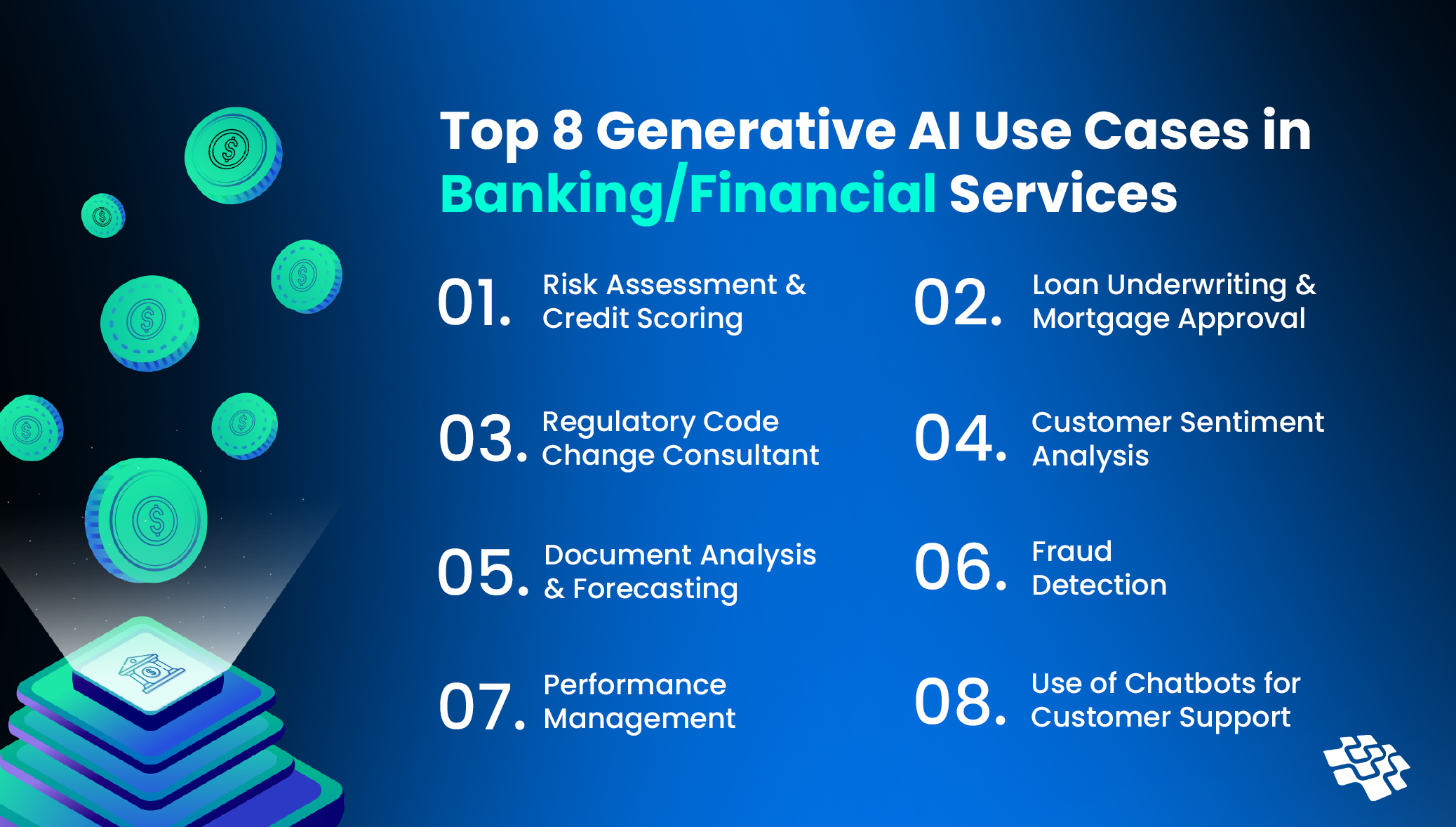
How Generative AI in Finance is Solving Cash Flow and Valuation Challenges?
To facilitate higher success and return on investment from the deployment and adoption of generative AI in finance, CFOs and finance leaders play a crucial role in promoting strategic collaboration among key C-suite leaders.
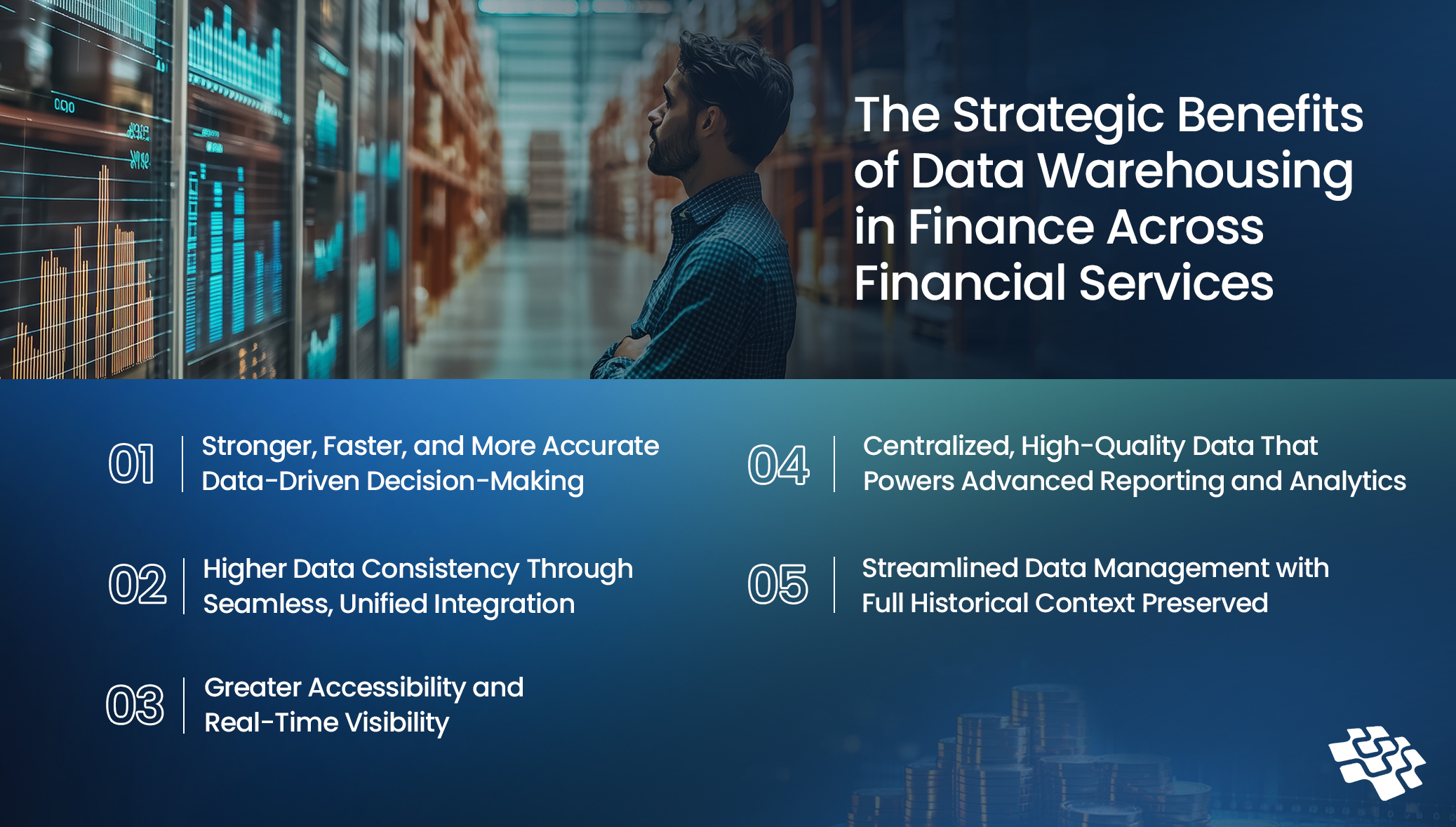
How AI-Driven Data Warehousing in Finance Will Empower FinTech Businesses in 2026
Think about the transactions a customer makes every day and all their past activities. All of that must be kept safe and easily accessible. A financial data warehouse does exactly that, giving teams quick, secure access to the information they rely on.
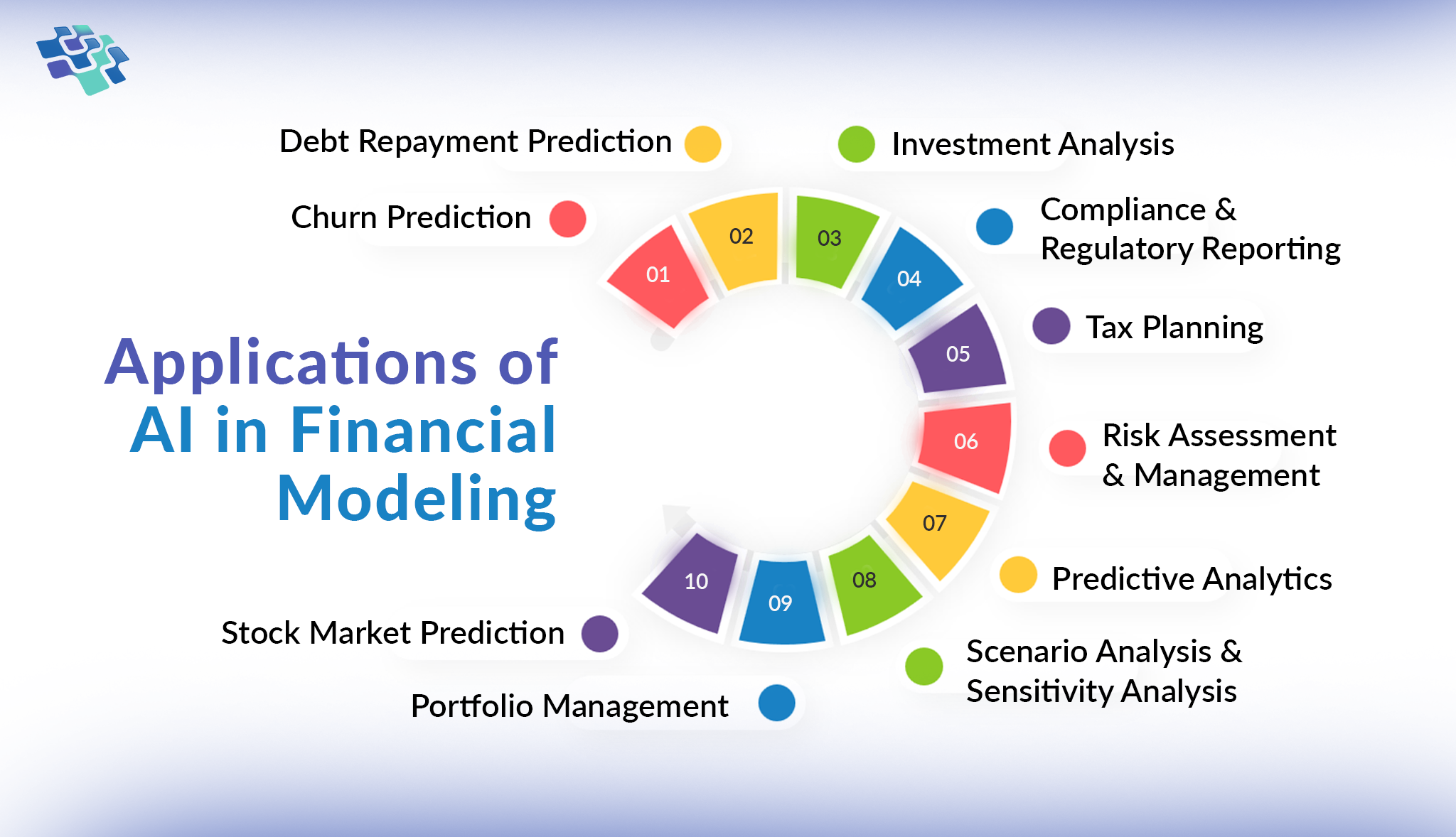
Top 10 Applications of AI in Financial Modeling & Forecasting
AI in financial modeling and forecasting processes data from many sources, uncovering hidden patterns and producing predictions that surpass human capacity. Research shows that 20% or fewer errors were made...
Stay In the Know
Get Latest updates and industry insights every month.