How an Intelligent Medical Coding Platform Improves Accuracy, Compliance, and Replaces Traditional Coding Systems


Healthcare revenue cycle management requires quick and precise clinical coding, ICD-10 coding, and CPT coding. However, just 14% of US suppliers reported using revenue cycle management AI to reduce downstream claim denials in 2026. An AI automated coding system is the best solution when accuracy and speed are crucial, and in this blog, we will explore how AI-driven medical coding, denial prevention, and revenue cycle optimization can transform coding workflows and improve financial outcomes.

Explore How Leading Healthcare Organizations Are Reducing Denials, Strengthening Compliance, And Scaling Coding Accuracy Through Intelligence

“Automated medical coding offers numerous benefits to healthcare providers, improving efficiency, accuracy, and revenue cycle management. By leveraging artificial intelligence and machine learning algorithms, automated systems can quickly and accurately analyze medical documentation, extract relevant information, and assign appropriate codes. This eliminates the need for manual coding, saving time and reducing the risk of human errors.”– Grand View Research
What is an Intelligent Medical Coding Platform?
An intelligent medical coding platform is a technological system intended to help revenue cycle teams accurately and compliantly assign diagnosis and treatment codes derived from clinical data. These solutions facilitate both manual and automated operations, ensuring that coded data accurately represents the comprehensive scope and intricacy of treatment provided.
- Coding accuracy has a direct impact on downstream analytics, reimbursement, denial rates, and compliance risk in current healthcare systems.
- As payer regulations advance and coding standards become increasingly intricate, AI medical coding software assists enterprises in preserving consistency and scalability across inpatient, outpatient, and professional fee settings.
Errors in the documentation and coding stage might result in denials, delayed payments, or regulatory exposure later in the process, which is why automated medical coding systems are becoming increasingly important.
Why Traditional Medical Coding is Broken
Accurate medical coding is essential to revenue cycle management, but the traditional workflow faces significant challenges. 80% of medical bills contain errors, and coding-related issues account for 42% of claim denials, according to the statistics of modern billing and coding procedures. These inefficiencies put a heavy financial strain on healthcare organizations.
Managing the International Classification of Diseases (ICD-10-CM) system, which has over 70,000 active codes and undergoes hundreds of revisions annually, is difficult. Billing departments must manually navigate this intricate code environment because they are typically overworked and understaffed. These frequently lead to expensive errors and postponed reimbursements.
- The solution is achieved via an intelligent medical coding platform. AI medical billing services enhance the accuracy of healthcare systems while reducing manual interventions and worker fatigue, hence optimizing the revenue cycle.
There is a lot of manual paperwork and documentation involved in the traditional billing method. Coders spend a lot of time entering each code separately in the printed forms for the paper claim. After that, the medical billing company receives all the paper forms, which are then sent to the payers. The average turnaround time from submitting a claim to getting paid in a paper-based setup is five to seven weeks, while it can be as short as two weeks in automated medical billing systems.
How Hospitals Use an Intelligent Medical Coding Platform to Reduce Revenue Leakage
Hospitals employ AI intelligent medical coding platforms to mitigate revenue loss by automating coding processes, detecting documentation deficiencies before claim submission, enhancing coding uniformity across facilities, and averting avoidable denials associated with coding and payer-policy inaccuracies.
Artificial Intelligence is employed in medical coding for:
- Analyzing clinical documentation
- Accurately assigning ICD-10, CPT, and HCPCS codes
- Performing detailed claim scrubbing to ensure accuracy and compliance
- Enhancing clinical documentation through improvement initiatives
Modern AI, unlike traditional CAC systems that depend on rigid rules, employs natural language processing and extensive language models. It analyzes provider notes similarly to a qualified coder, while also verifying medical necessity, NCCI changes, and payer policies throughout the process.
They are also capable of:
- Organizing and managing tasks efficiently
- Applying logical reasoning while interpreting coding guidelines
- Working across multiple revenue cycle management systems
Check Our Success Story: Affordable Health Plan, and Insurance Claims Processing
How an Intelligent Medical Coding Platform Works (Step-by-Step Process)
- Step 1: The first step in an intelligent medical coding platform’s workflow is gathering clinical data from electronic health record systems, clinician notes, lab reports, and discharge records.
- Step 2: The system reads and interprets the medical text using advanced natural language processing algorithms after the data has been collected. Important clinical concepts described in the documentation, such as symptoms, diagnosis, treatments, and procedures, are identified by these algorithms.
- Step 3: The intelligent medical coding platform uses machine learning models to translate detected medical concepts into standardized coding systems such as CPT and ICD-10 after extracting clinical insights. These models can identify coding trends and assign the most appropriate codes for every medical condition or operation documented in the patient’s record.
- Step 4: The AI medical coding software verifies that the given codes adhere to payer regulations, insurance policies, and regulatory requirements prior to the finalization of the coding process.
- Step 5: Upon validation, the finalized codes are transmitted to billing systems or revenue cycle management platforms for the submission of claims.
- Step 6: Before claims are filed, human coders can analyze ambiguous cases and maintain high levels of accuracy because of the confidence score that many advanced systems offer for every code.
Key Features of AI Intelligent Medical Coding Platforms
To maximize RCM, increase coding accuracy, and boost compliance, an intelligent medical coding platform must have these four features:
- Compliance with Coding Standards: ICD-10, CPT, and HCPCS are the evolving coding standards that your system must keep up with. These guidelines, which are established by the American Medical Association, the WHO, and the CMS, are updated frequently to consider new developments in the field of medicine. This helps you prevent penalties and claim rejections by ensuring your coding complies with the most recent regulations.
- Real-Time Accuracy Checks: Trust in any AI platform depends on the decision-making processes’ efficient visibility and auditability. Transparent algorithms and prompt communication of updated conclusions as information or conditions change can help achieve this.
- Compatibility with EHR Systems: Selecting autonomous medical coding software that easily connects with EHR systems is essential. EHR connectivity enables the synchronization of coding data and patient documentation. By automatically importing pertinent clinical data into the coding platform, this feature minimizes the need for manual data entry and increases coding accuracy.
- Security & Privacy: To protect patient data, ensure the medical coding platform provider you choose complies with stringent security and privacy regulations. It must adhere to ISO/IEC 27001, GDPR, SOC2, and HIPAA regulations.
AI Medical Coding vs Manual Medical Coding: A Detailed Comparison
Let’s compare the traditional method with a modern, automated procedure to truly see the difference these technologies create. The process of patient interaction, from documentation to claim filing, is broken down in the table below.
| Workflow Stage | Manual Medical Coding | AI-Driven Coding |
| Documentation | Clinicians document patient encounters by typing or dictating notes, often completing them after working hours. | AI captures clinical interactions in real time using technologies like speech recognition or image analysis. |
| Code Assignment | Coders review the full documentation manually and look up appropriate codes through reference materials. | AI analyzes the documentation and recommends relevant CPT and ICD-10 codes, along with supporting evidence from the record. |
| Code Review | Coders spend significant time verifying codes against guidelines and payer requirements. | Coders quickly validate AI-generated suggestions, turning review into a streamlined verification process. |
| Claim Creation | Billing staff manually input codes and patient details into the claims system. | The system automatically generates claims using the approved codes and extracted data. |
| Submission | Claims are submitted with a higher likelihood of errors or initial denials. | Claims are submitted with improved accuracy and a lower risk of rejection or denial. |
What Are the Benefits of Intelligent Medical Coding Platforms
Businesses can enhance their revenue cycle with the introduction of medical coding automation, which is driven by artificial intelligence, machine learning, and natural language processing. Here is a thorough examination of the top five benefits of medical coding automation and how it is changing the healthcare industry:
1. Faster Claims Processing
For healthcare businesses to sustain cash flow, timely claims processing is essential. Due to manual data entry, document review, and validation, manual processes are often delayed. Automation speeds up the processing of claims by:
- Efficient Data Extraction: Automated methods eliminate the delays associated with manual transcription by extracting important data points from electronic health records and assigning codes in real-time.
- Automated Validation: Before being submitted, claims are cross-checked against payer-specific regulations to minimize rejections and processing delays.
2. Enhanced Accuracy in Coding
Precise medical coding ensures that healthcare providers are paid appropriately for the services they offer. Due to the intricacy of clinical data, variations in coder proficiency, and continuously changing coding standards, manual coding frequently results in errors. To ensure accuracy and compliance, automated systems are updated on a regular basis with modifications to coding standards such as ICD-10, CPT, and HCPCS.
For instance, an automated system can precisely distinguish between comparable processes (such as several kinds of outpatient visits), ensuring that the appropriate billing code is used. This lowers the possibility of revenue leakage and claim rejections.
3. Compliance with Regulatory Standards
Due to the regular changes in regulatory standards, medical coding compliance is a dynamic task. Penalties, denied claims, or legal problems can arise from noncompliance. Before submitting a claim, automated systems verify that it complies with payer-specific standards and coding criteria.
These systems simplify compliance inspections and lower legal risks by producing thorough audit trails and documentation.
4. Enhanced Security & Data Protection
In the healthcare industry, protecting patient data is crucial and regulated by regulations like HIPAA. Strong security elements are incorporated into automated medical coding systems to ensure data safety, such as:
- Role-Based Access Control: Only authorized workers have access to the data, reducing the possibility of breaches.
- Data Encryption: Encrypting sensitive data during transmission and storage prevents unwanted access.
5. Reduction in Claim Denials
Healthcare providers frequently experience denied claims because of inadequate documentation, coding mistakes, or inconsistent payer regulations. Automated methods ensure that all required documentation is complete and compliant with the designated codes.
By offering data on typical refusal grounds, an intelligent medical coding platform enables providers to solve recurring problems and minimize revenue loss or delay. For instance, a pediatric urgent care chain that uses automation has witnessed a considerable improvement in revenue cycle performance, with the denial rate falling from 6% to 1%.
Build A More Defensible Coding Process with Greater Transparency, Traceability, And Compliance Confidence
How Intelligent Medical Coding Platforms Are Used Across Hospitals, Clinics & Healthcare Systems
Revenue cycle management AI is transforming through technologies such as optical character recognition (OCR), machine learning, and natural language processing. Together, they improve workflow by streamlining procedures, identifying errors early, and predicting claim denials. By adding speed, accuracy, and cost efficiency to the revenue cycle, an intelligent medical coding platform is transforming how healthcare businesses manage billing, compliance, and claims.
 1. Predictive Denial Management
 1. Predictive Denial Management
AI analyzes historical data to forecast which claims are likely to be rejected, enabling a proactive approach to claim denials. Healthcare providers might improve their chances of reimbursement by addressing issues before submission rather than waiting to respond to denials.
- Predictive denial management examines thousands of data points, including diagnosis codes, procedure combinations, payer preferences, and documentation trends, to identify patterns that human reviewers might miss.
- To lower the chance of rejection, high-risk claims are either highlighted for more documentation or sent to senior coders for additional assessment.
- AI intervenes to expedite the appeals process even in cases of denials. It can create appeal letters, gather supporting documentation, and monitor deadlines to ensure that valid claims are pursued without administrative errors.
Predictive denial management improves cash flow predictability. They avoid protracted denial and appeal cycles that can cause months-long payment delays by taking care of problems early.
2. Automated Claims Review & Error Detection
AI systems perform automated claims reviews significantly more rapidly than manual processes. These evaluations highlight coding discrepancies, missing documents, and compliance shortcomings. They concurrently oversee routine activities such as verifying insurance eligibility and assessing prior authorization prerequisites.
An intelligent medical coding platform identifies errors for prompt correction by comparing claims to payer-specific regulations, historical data, and regulatory guidelines. Healthcare providers have benefited from this approach, with first-pass claim acceptance rising by 20–25% and denial rates falling by as much as 30%.
3. Prescriptive Analysis
Prescriptive analysis can help manage reimbursement and control patient claims, just as they are in remote health monitoring systems. Additionally, these technologies significantly lower the likelihood of further inefficiencies and help detect areas of billing problems.
The medical billing and coding industries will see a noticeable gain in value because of data mining. Medical coders and billers can implement robust and effective categories early on because of the evidence gathered from predictive analysis. Prescriptive data analytics effectively guides the medical billing and coding business on the right path, where qualitative research can take place to limit its susceptibility to misconduct, even if it is impossible to detect misconduct before it occurs decisively.
4. AI-Assisted Auditing & Compliance and EHR Integration
An intelligent medical coding platform has built-in compliance checks based on payer-specific regulations and the most recent coding standards. Each time a coder assigns a code, the system verifies it against compliance standards such as CPT, ICD-10, and DRG guidelines. This lessens the possibility of fraud, false claims, and regulatory infractions.
Modern AI medical coding software integrates well with existing EHR systems. Coders can access documentation, patient histories, and coding recommendations in place, eliminating the need to switch between tools. This close linkage enhances workflow efficiency and ensures that coding decisions are consistently supported by the most current clinical data.
5. Streamlining Workflow and Real-Time Coding Suggestions
AI-based clinical decision support system software services facilitate task organization according to payer type, complexity, or urgency. Routine cases are expedited, but high-priority or challenging situations might be immediately escalated. This clever task distribution ensures that deadlines are met without burnout and increases team productivity overall.
AI actively supports coders while they work, rather than merely operating in the background. The technology makes real-time, context-based code recommendations while reviewing documentation. This increases first-time accuracy and lessens guesswork. Without slowing down their workflow, coders can examine, validate, or modify recommendations.
6. Denial Prevention and Cognitive Burden
Simple coding errors or incompatibilities are frequently the cause of claim denials. Before submission, AI assists in identifying these risks. It examines past claim data, identifies trends that frequently result in denials, and provides real-time adjustments. Healthcare organizations can increase their claim acceptance rates and safeguard their revenue cycle with this assistance. Reduced reimbursement delays result from fewer denials.
Medical coding is a psychologically taxing profession. It might be difficult to stay up with evolving requirements, review complicated charts, and maintain speed. By taking care of monotonous, routine chores, AI functions as a second pair of eyes, freeing coders to concentrate on critical thinking and decision-making.
Clinical Documentation Gaps Impacting Reimbursement? Connect Coding, Compliance, And Documentation Improvement in One Workflow
How Intelligent Medical Coding Platforms Solve Healthcare Coding Challenges
Healthcare coding services are transforming because of AI powered services that use machine learning and predictive analysis. AI solves the issues by automating and improving coding procedures, resulting in quantifiable gains in precision, effectiveness, and compliance.
- Navigating Complex Guidelines with AI: AI systems are made to keep up with the most recent coding standards, such as CPT, ICD-10, and payer-specific regulations. To ensure correct code assignments, machine learning models constantly update their knowledge base with new rules and coding standards. AI, for example, can quickly determine the proper ICD-10 code for an uncommon ailment, lowering the possibility of errors brought by out-of-date or incorrectly interpreted rules.
- Streamlining High-Volume Coding: AI efficiently scales to manage substantial volumes of claims, processing thousands of records within minutes. In contrast to manual coding, which may need hours for intricate cases, AI provides swift response times while maintaining precision. A hospital using an intelligent medical coding platform can reduce its turnaround time by 60%, enhancing cash flow and operational efficiency.
- Ensuring Compliance: AI-driven healthcare coding systems include compliance checks into the coding procedure. Through the cross-referencing of claims with HIPAA, CMS, and payer policies, AI detects potential compliance concerns, including upcoding and unbundling (the separate billing of bundled services). These systems additionally identify claims for examination before submission, hence reducing the likelihood of audits or penalties.
Is AI Medical Coding HIPAA Compliant?
An intelligent medical coding platform can be HIPAA-compliant when supported by robust security controls and compliance frameworks. Modern AI medical coding software is built to safeguard protected health information (PHI) through encryption, controlled access, and continuous monitoring. When implemented correctly, these systems not only meet HIPAA requirements but also improve coding accuracy and streamline revenue cycle operations.
- AI coding platforms can meet HIPAA requirements with proper safeguards in place
- Encryption and role-based access controls protect sensitive patient data
- Audit trails ensure transparency and accountability in data handling
- Regular system updates and monitoring help maintain compliance and security
How NextGen Invent Builds Intelligent Medical Coding Platforms for Accuracy, ROI & Compliance
Industry leaders are collaborating with AI specialists to expedite growth and promote innovation, creating significant prospects for advancement. To develop customized healthcare AI solutions, we leverage our proficiency in AI technologies, such as deep learning, machine learning, computer vision, and reinforcement learning.
What you can obtain by working with us is as follows:
- From claim submission to adjudication, our AI-based clinical decision support system software services improve each step of the procedure, ensuring accuracy and efficiency all along the way. We simplify complex processes, reduce the likelihood of rejections, and expedite reimbursements, all of which help your business run smoothly.
- We develop AI-powered revenue cycle management healthcare software that manages the intricacies of documentation, freeing medical staff to focus on what truly counts: treating patients. Our services ensure fast, accurate, and compliant documentation, which improves patient experience overall and helps healthcare companies meet the highest data management requirements.
2027 Future Trends in AI Medical Coding
- Increased Emphasis on Accuracy and Compliance: Accurate coding is now the first line of defense against denials and fines as payers tighten payment regulations and audits increase in frequency. Coders must remain up to speed on payer-specific recommendations, CPT modifications, and ICD-11 upgrades. To reduce risk, companies are investing in automated audit trails, real-time compliance checks, and continuous coder training. By 2027, compliance will be an integral part of the coding process rather than merely a back-end issue.
- Remote Coding and Workforce Flexibility: The emergence of remote medical coding after the pandemic has evolved from a short-term fix to a long-term plan. Coders can now operate from anywhere because of safe cloud-based EHRs, audit tools, and team communication systems. Particularly for expanding health systems and billing partners, remote coding teams provide scalability, quicker onboarding, and improved cost control.
- Integration with Clinical Documentation Improvement: Documentation and coding are becoming closer together. These days, coders and clinical documentation improvement teams collaborate to make sure that codes fully convey the patient’s experience, and that provider notes appropriately reflect it. More coder-provider collaboration is anticipated, particularly in challenging situations and virtual care, where the quality of the documentation might have a direct impact on patient outcomes, risk rating, and reimbursement.
Wrapping Up
AI is transforming medical coding, enabling faster and more accurate decision-making, and improving overall revenue cycle performance. An intelligent medical coding platform can analyze large amounts of clinical data, recommend accurate codes, and identify patterns that decrease denials and administrative burdens.
Simultaneously, successful adoption requires careful planning, such as data readiness, workflow alignment, compliance management, and ongoing model training, in revenue cycle management healthcare software settings. But these advances don’t replace the need for human expertise to validate outputs, interpret complex cases, and ensure regulatory accuracy.
Finding the right balance between AI efficiency and human oversight helps ensure ethical and compliant coding practices. Organizations should evaluate the quality of documentation, review current workflows, and consider high-impact use cases like assisted coding or denial prediction.
The right strategy can help healthcare providers improve efficiency and accuracy and ensure compliance. Partner with NextGen Invent to fast-track your AI-enabled medical coding journey.
Frequently Asked Questions About Intelligent Medical Coding Platform

“For years, we treated coding as a labor challenge: hiring more people, reviewing more charts, and working harder. The reality is that healthcare has outgrown that model. Intelligent medical coding platforms don’t replace expertise; they amplify it by helping teams keep pace with documentation complexity, compliance demands, and the financial pressures facing healthcare today.”
Michael Kaminaka

Chief Growth Officer
Related Blogs
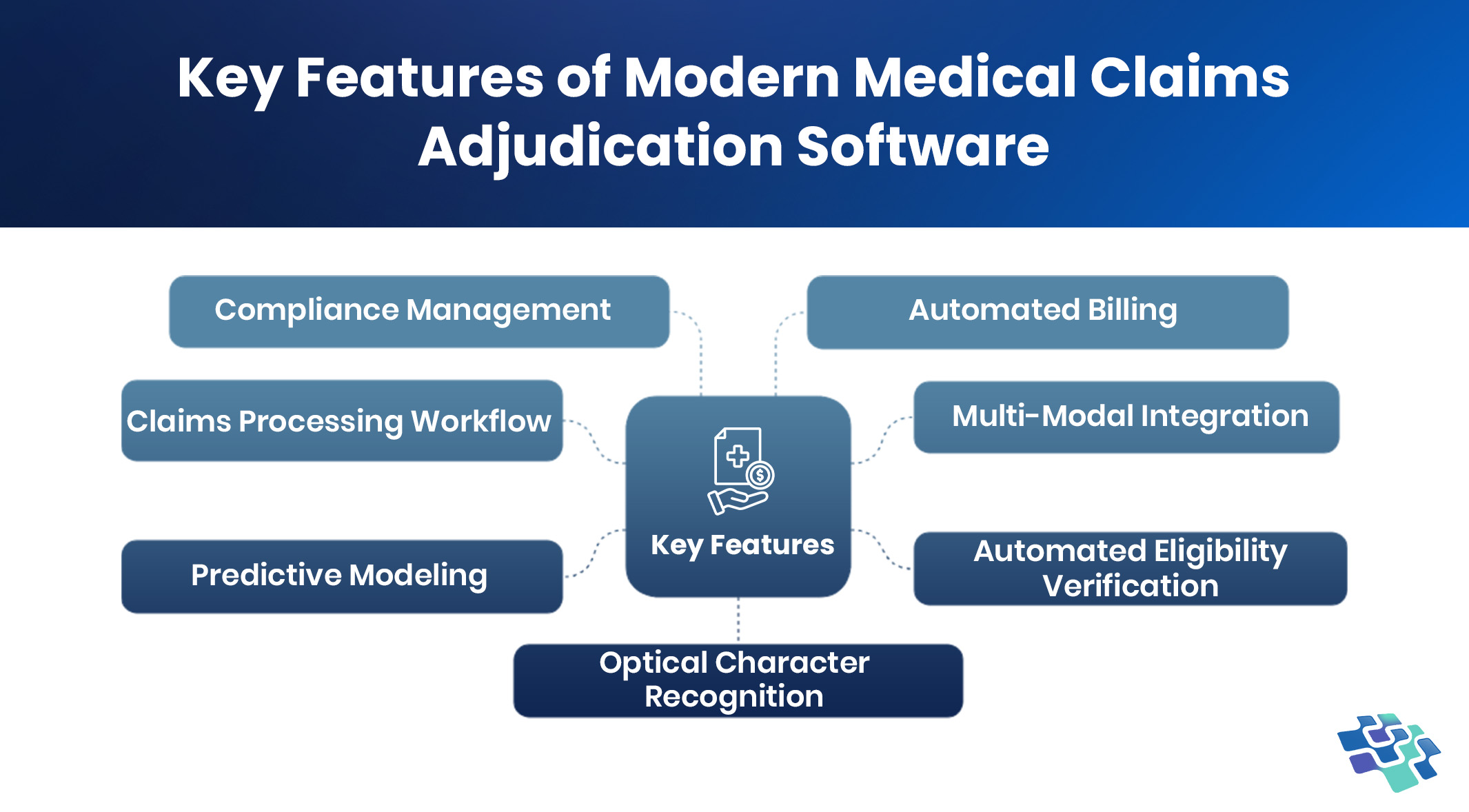
How Augmented Healthcare Claims Adjudication Software Solves the Hidden Crisis in Billing
Is this claim valid? To what extent are we financially responsible? When evaluating medical claims, these are the two main questions that payers try to address.
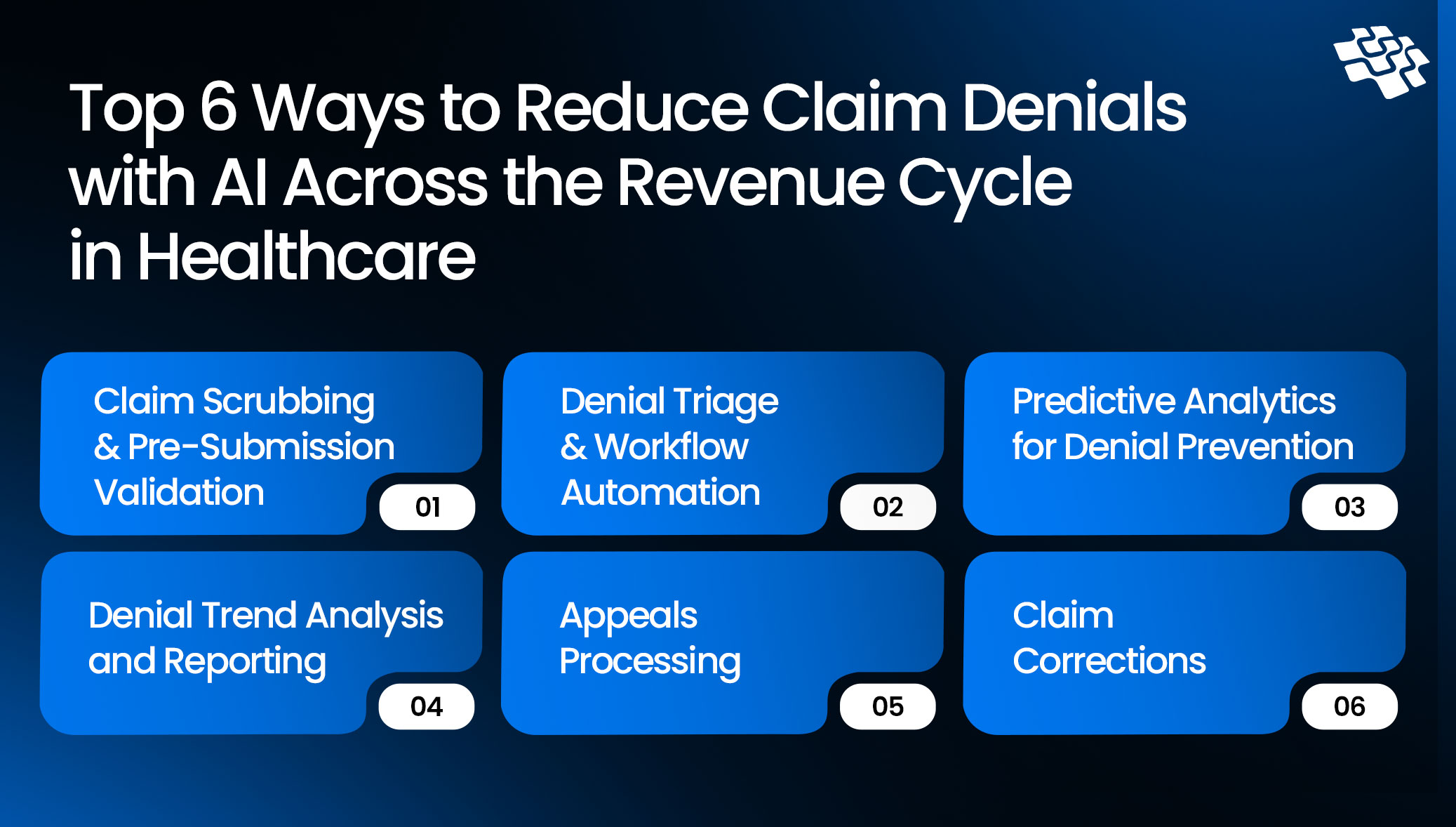
How to Reduce Claim Denials with AI Across the Revenue Cycle and Improve Healthcare Revenue Performance
Revenue leakage remains a critical challenge in healthcare, driven by inefficiencies, missed billing opportunities, and underpayments across the revenue cycle.
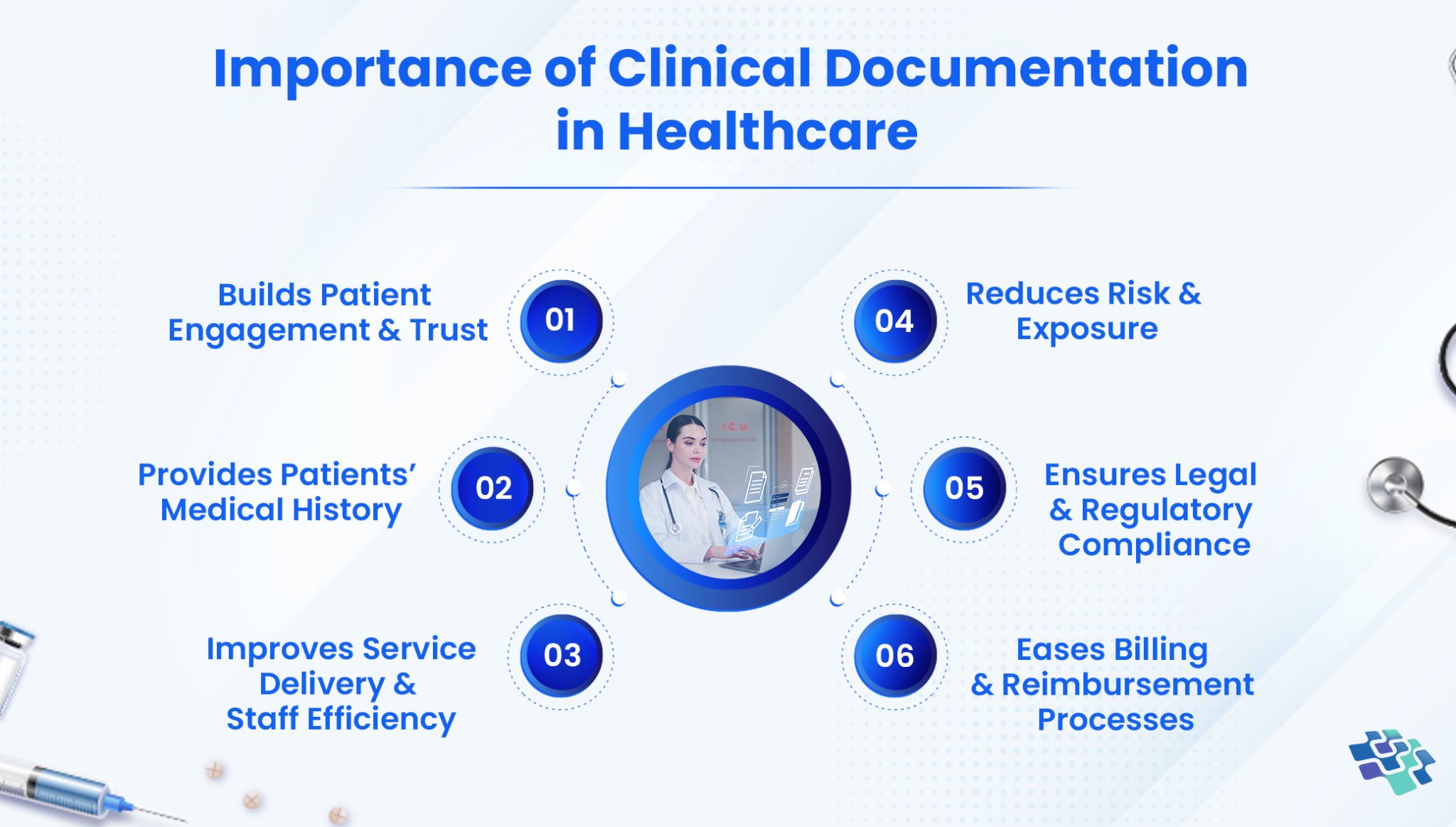
Importance of Clinical Documentation in Healthcare
Enhancing clinical documentation quality facilitates better planning, service delivery, quality measures, and financial allocation, all of which contribute to better patient outcomes.
Stay In the Know
Get Latest updates and industry insights every month.